Serving Phoenix, AZ & nearby
(602) 562-4982
Phoenix, AZ

What Phoenix's Building Boom Means for Your Garage Door Today

Most Phoenix garage doors date to the 1979-2007 building boom era. Here's how summer heat affects them and when repair still makes sense over replacement.

What Phoenix's Building Boom Means for Your Garage Door Today

The Situation

Most of the garage doors we get called out to across the Phoenix service area went up somewhere between 1979 and 2007, with the bulk of that stock landing right around 2001 median build year. That's not ancient, but it's old enough that springs, openers, and rollers installed at construction are well past any reasonable service life. Nine named areas across the metro carry this same 2000s-era stock, from in the north to Midtown closer in,. A door from that era wasn't built for the loads or temperatures we've been running for the last two decades, so when it starts acting up, it's worth asking whether you're looking at a simple repair or a door that's simply worn through its design life. We serve roughly 51,000 households in this area, and something like 40,000 of them own the house rather than rent it - owners who called about a garage door twenty years ago are often the same ones calling now, on the same door.

How Local Conditions Play In

Phoenix sits in a severe heat band, and that changes how a garage door ages compared with almost anywhere else. Steel panels expand and contract every day, torsion springs cycle through more thermal stress than the same spring would see in a mild climate, and the nylon rollers on a lot of 2000s-era doors turn brittle and crack years before they'd fail somewhere cooler. Opener logic boards mounted in an unconditioned garage take real damage too - heat is harder on electronics here than moisture is in most other places. If your door was installed when the house was built sometime between 1979 and 2007, the hardware has already logged a couple of decades of Phoenix summers, and that matters more than the calendar age suggests. This is also why we see springs go on doors that otherwise look fine: the spring doesn't care about the paint, it cares about cycle count and heat, and both have been working against it here for twenty-plus years.

The Common Mistake

The mistake we see most is homeowners treating the whole door as a single unit when only one part of it failed. A door built in the early 2000s that won't open is usually an opener problem, not a door problem - the gears in a chain-drive unit wear out well before the door panels do, especially with the extra heat load on the motor housing. Swap the opener, and the door itself, with its panels and track from the original build, is fine for years yet. The reverse mistake happens too: people replace an opener two or three times on a door whose torsion spring or bottom bracket is actually what's failing, because the door still seemed to move when they pushed it by hand. The specific part that failed on a 1979-2007 door - spring, opener, rollers - tells you what to fix. Replacing the whole system because one component quit is usually the more expensive path, and on a door from this era it's not always the right one.
When Waiting Is Fine

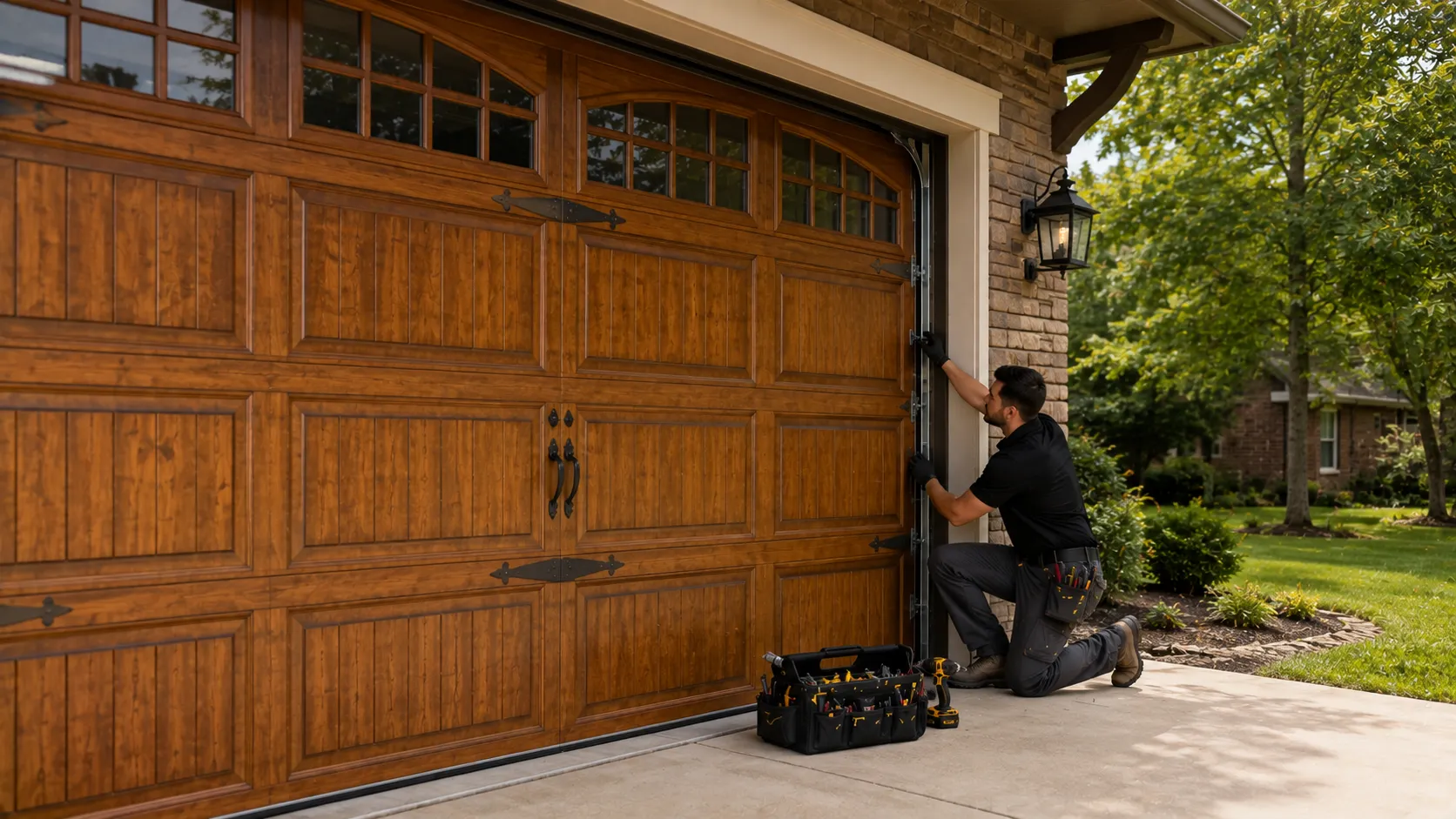
Not every noise or slow start means a call today. If the door still opens and closes on its own power, seats flat at the bottom, and the only real issue is cosmetic - faded paint, small dents in a panel, hardened weatherstrip on a door that still seals well enough - it's fine to wait. We'll say plainly that we don't push full replacement on a door that's still doing its job; a working door earns the right to keep working. Where we draw the line is anything involving the spring or the cables, because those parts fail suddenly and can hurt someone standing near the door. One honest limitation: some panel styles from the 2000s-era builders in this area aren't made anymore, so if you're chasing a cosmetic match for a single damaged panel, the wait on that part can run longer than the repair itself, and sometimes replacing the whole door is genuinely simpler than tracking one down.

How it works

From “it’s stuck” to “it’s fixed”

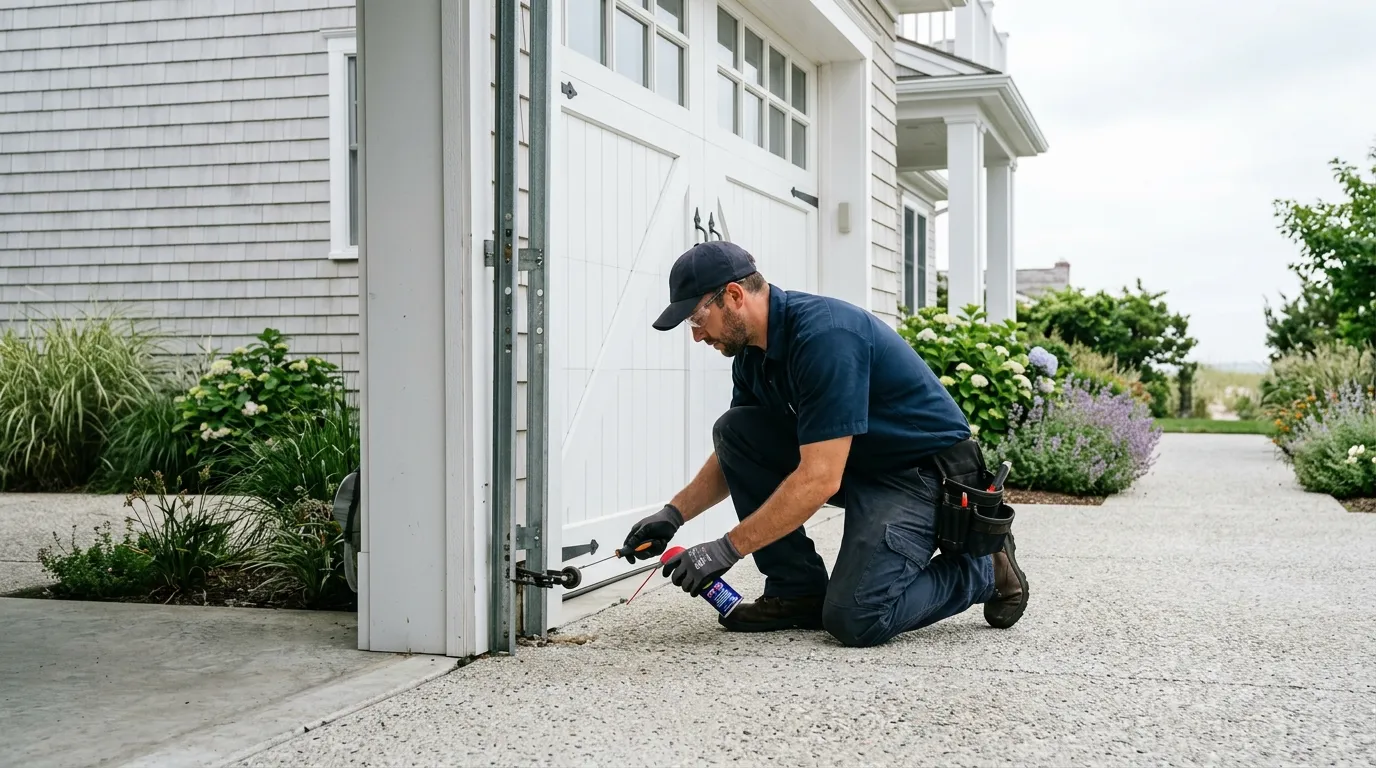
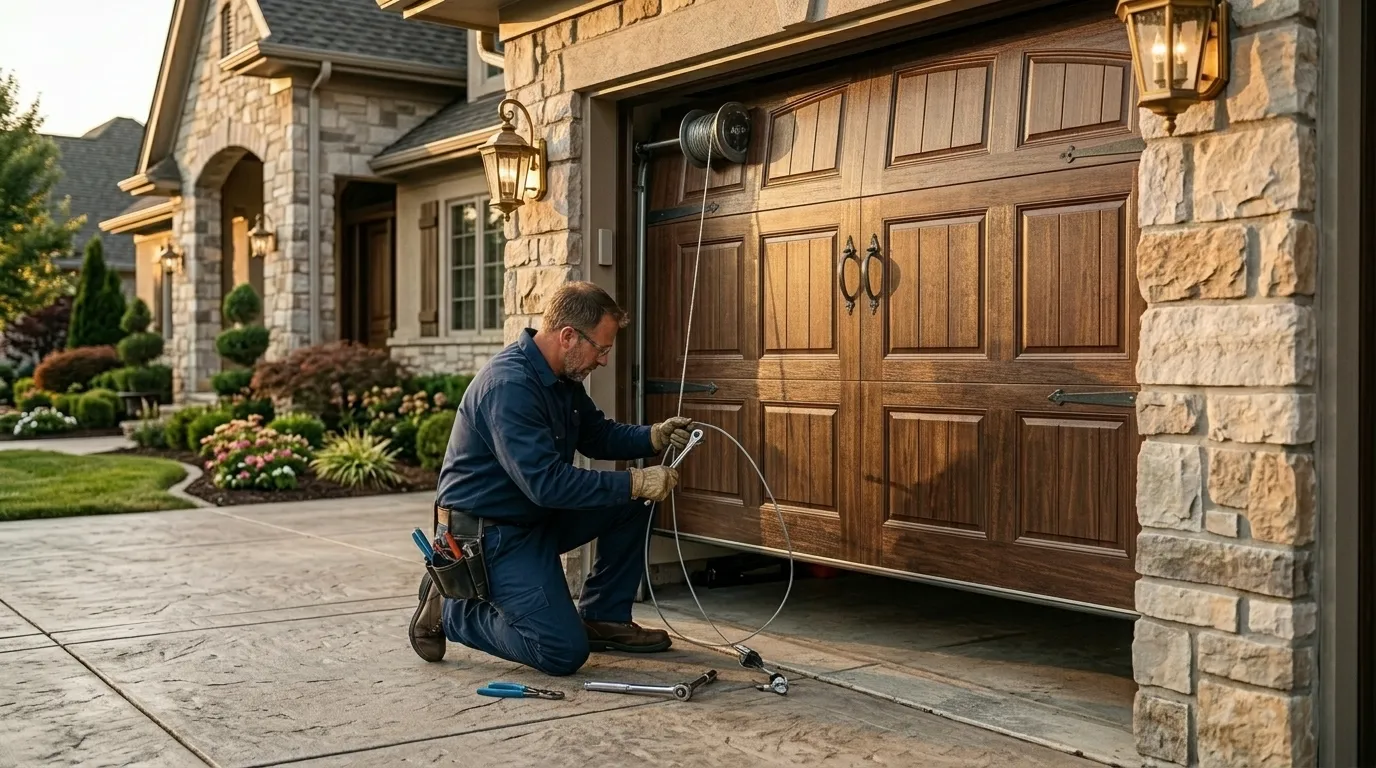
Tell us what’s wrong - Phoenix garage door service

Tell us what’s wrong

Describe the symptom - won’t open, loud bang, opener runs but the door won’t move.

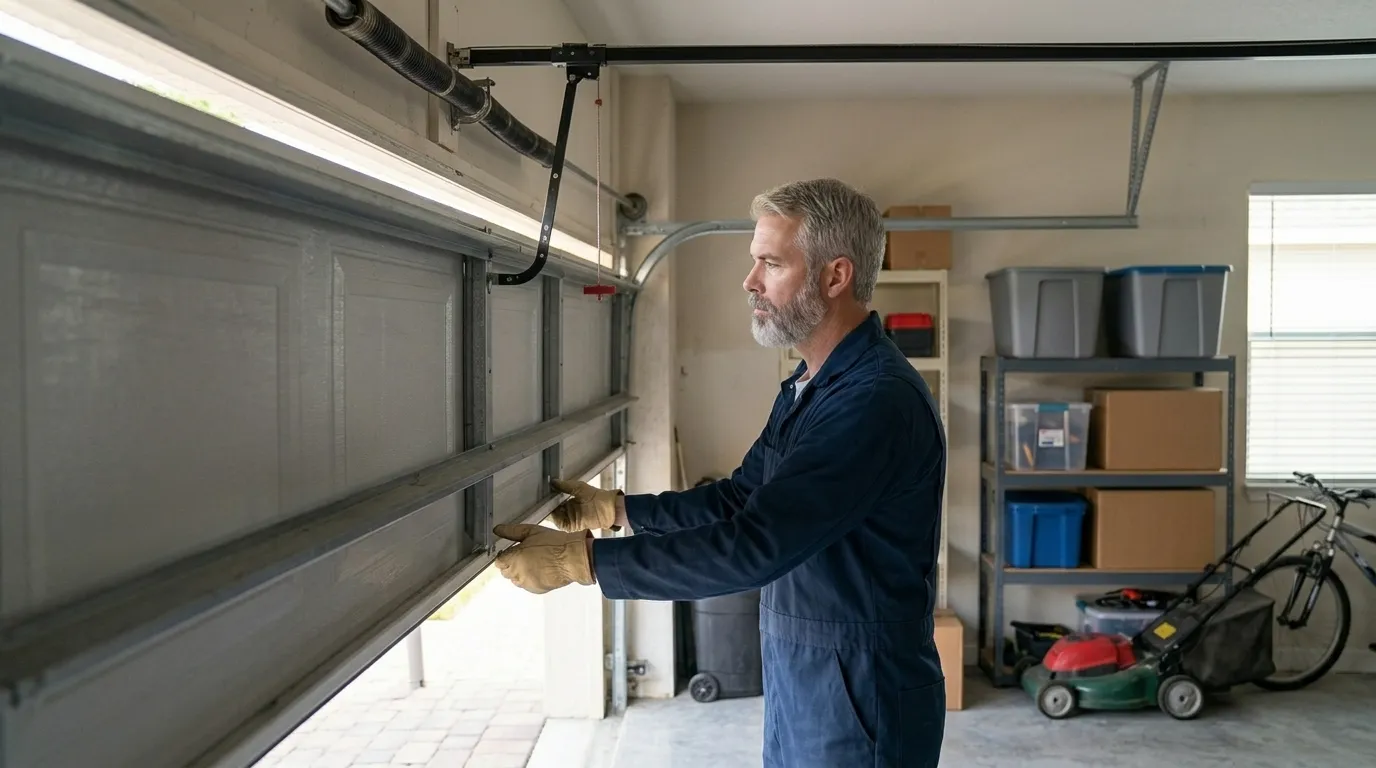
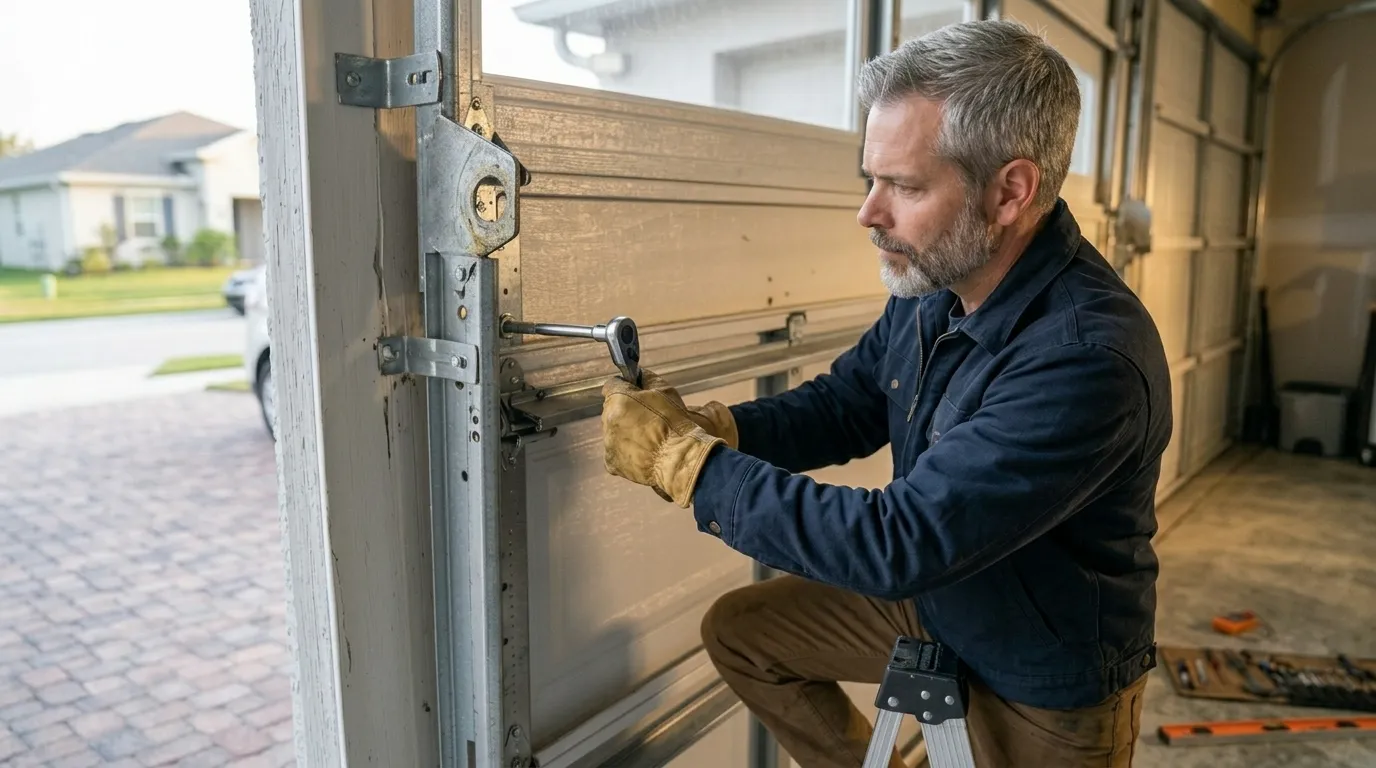
On-site diagnosis - Phoenix garage door service

On-site diagnosis

A technician tests the door under power and by hand and finds what actually failed.

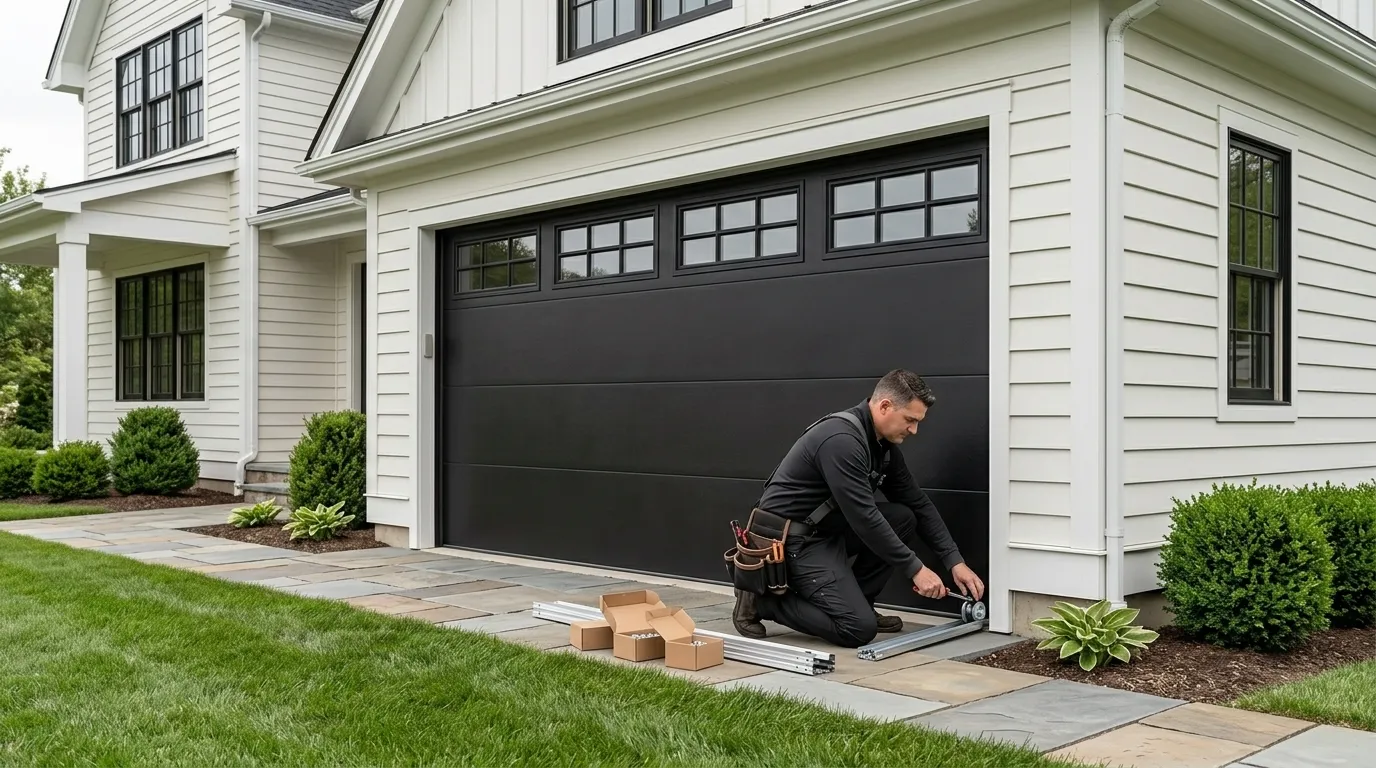
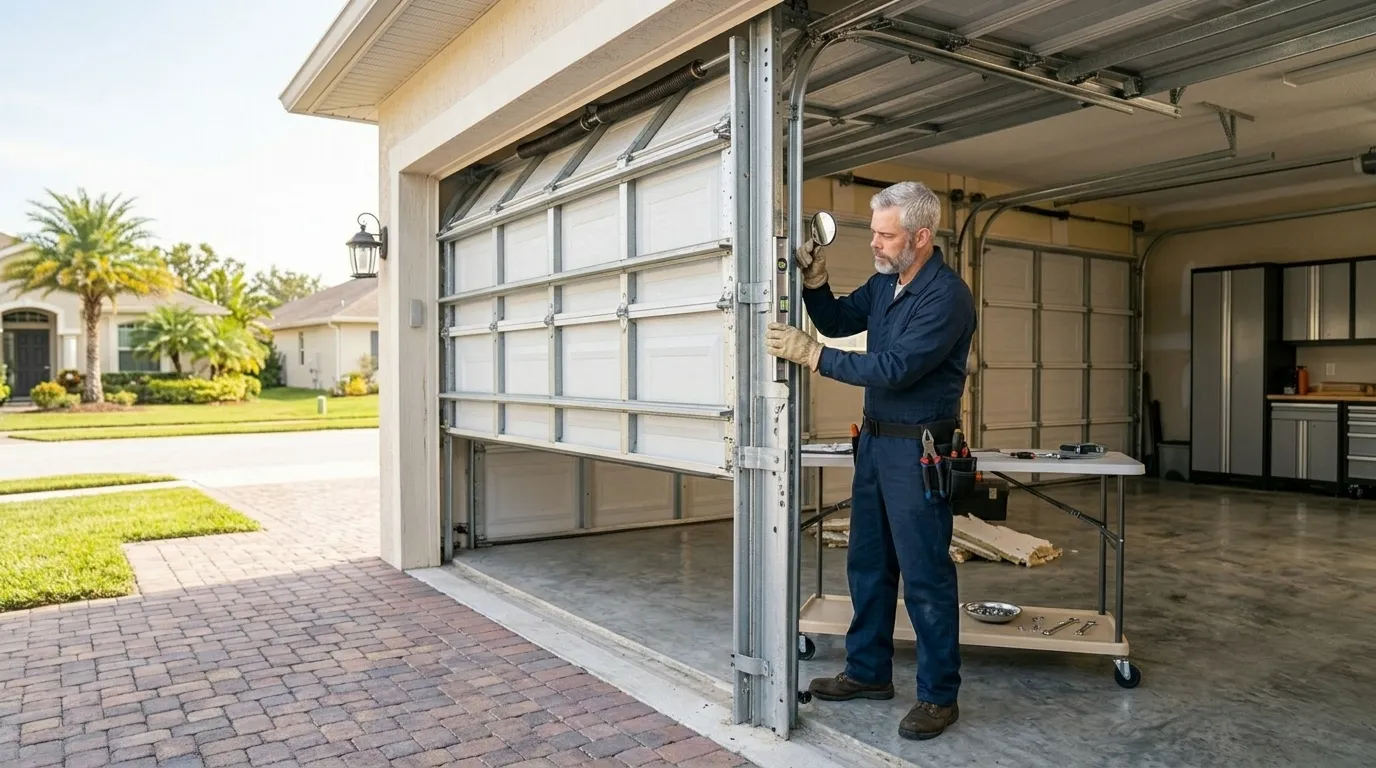
Clear, up-front plan - Phoenix garage door service

Clear, up-front plan

You get the fix that’s needed and what drives the cost - before any work starts.

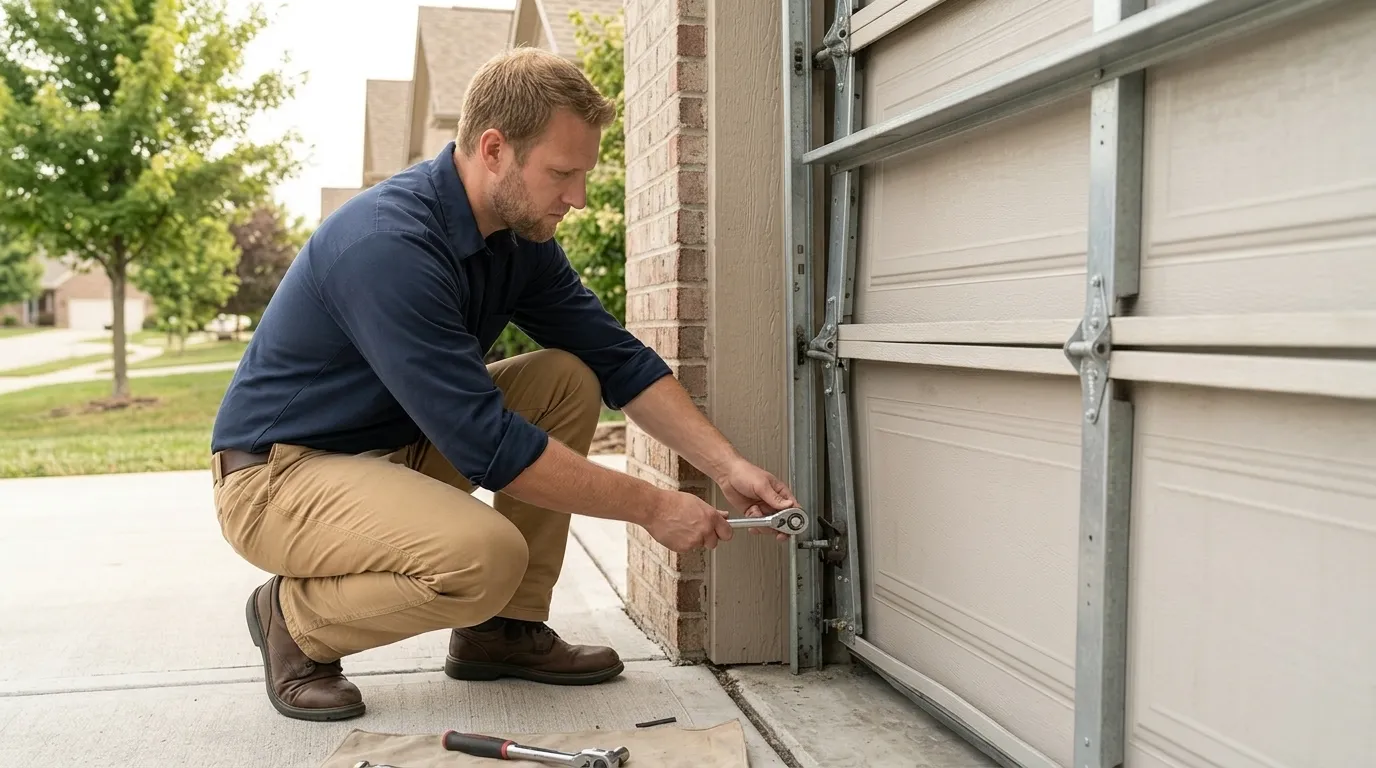
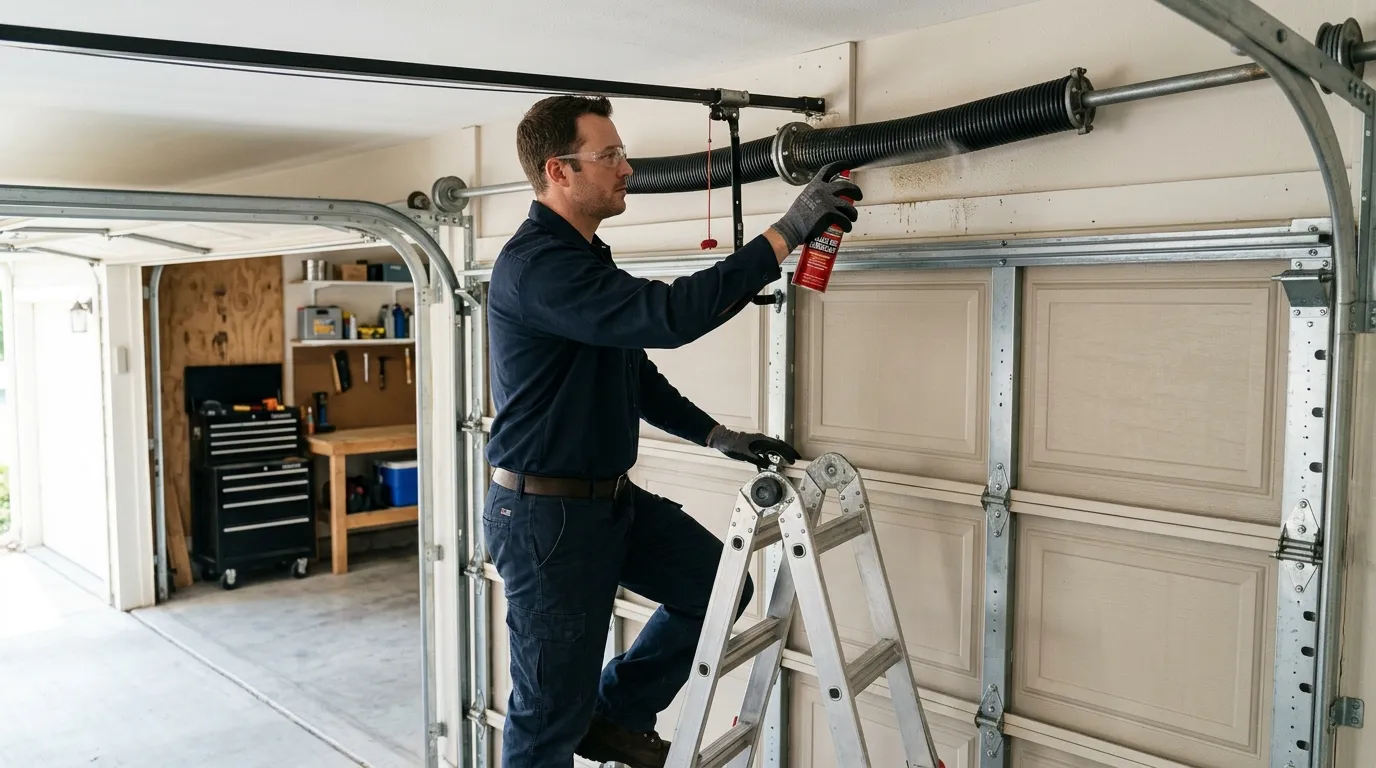
Repaired & tested - Phoenix garage door service

Repaired & tested

The repair is done, the door is set true and tested, and the work area left clean.

Serving Phoenix, AZ - tell us what your door’s doing and we’ll take it from there.

7areas covered
How we work

What to expect

A straight, honest approach on every Phoenix job - diagnosis first, the right parts, and clean work.

01

Diagnosis first

Every visit starts by finding what actually failed - not a pre-written parts list.

02

The right part for the door

Springs and openers matched to the door’s weight and age, so the fix holds up.

03

Straight answers

When a repair makes more sense than a replacement - or the reverse - you hear it plainly.

04

Clean, careful work

Tension released safely, hardware set true, the door tested under power before we leave.

What we do

Garage Door Services

Repair and installation work for Phoenix homes and businesses.

Garage Door Repair in Phoenix

Garage Door Repair

Garage door repair for Phoenix houses built 1979-2007. We fix broken springs, worn opener gears, and heat-damaged tracks common across the valley's builder-grade stock.

Learn more
Garage Door Installation in Phoenix

Garage Door Installation

New garage door installation for Phoenix homes built 1979-2007, sized for our severe heat and the steel and insulation choices that actually hold up here.

Learn more
Garage Door Service in Phoenix

Garage Door Service

Garage door service for Phoenix homes built mostly between 1979 and 2007, where severe summer heat wears down springs, rollers, and opener gears faster than the manual says.

Learn more
Spring Repair in Phoenix

Spring Repair

Broken torsion springs are common in Phoenix homes built 1979-2007. We explain what drives it here, what a repair takes, and what you're seeing before the call.

Learn more
Off-Track Repair in Phoenix

Off-Track Repair

A garage door off track in Phoenix is rarely random. Here's what causes it, what you'll notice first, and why the valley's heat and housing stock make it common.

Learn more
Maintenance in Phoenix

Maintenance

Garage door maintenance for Phoenix homes built mostly between 1979 and 2007, where summer heat bakes lubricant and hardware faster than almost anywhere else.

Learn more
Commercial Garage Door in Phoenix

Commercial Garage Door

Phoenix Garage Door Co repairs and services commercial garage doors across the Phoenix metro area, from aging 2000s-era steel doors to heat-worn openers.

Learn more
Emergency Garage Door Repair in Phoenix

Emergency Garage Door Repair

24/7 emergency garage door repair across Phoenix, AZ. We know why doors built in the 1979-2007 boom fail in the heat and what a same-day fix actually runs.

Learn more
Questions

Frequently asked

Straight answers about garage door repair in Phoenix. Still unsure? Ask us directly.

My garage door opener is from when the house was built in the early 2000s - is it worth fixing or replacing?

Usually the opener itself is worth replacing on its own rather than the whole door. Most houses in this service area were built between 1979 and 2007, so the panels and track are often still sound even when the motor has given out from years of Phoenix heat cycling.

Does Phoenix heat really wear out garage door parts faster?

Yes. This area sits in a severe heat band, which is harder on nylon rollers, opener logic boards, and torsion springs than a milder climate would be. A door installed when the house was built has already absorbed a couple of decades of that heat load.

How do I tell if it's the spring or the opener that's failed?

If the door won't budge even when you pull the release cord and lift by hand, suspect the spring. If it lifts fine by hand but the motor won't move it, the opener is the likely culprit. That difference decides which part actually needs replacing.

Is it normal for a 20-year-old garage door to need work?

Given that most homes in this service area date to the 1979-2007 building years, yes - original springs, rollers, and openers from that era are well past their expected service life, especially with the heat load they've carried here.

Ready to get your garage door sorted?

Tell us what it’s doing and where you are in Phoenix - we’ll take it from there.

Request a QuoteCall