Garage door maintenance for Phoenix homes built mostly between 1979 and 2007, where summer heat bakes lubricant and hardware faster than almost anywhere else.
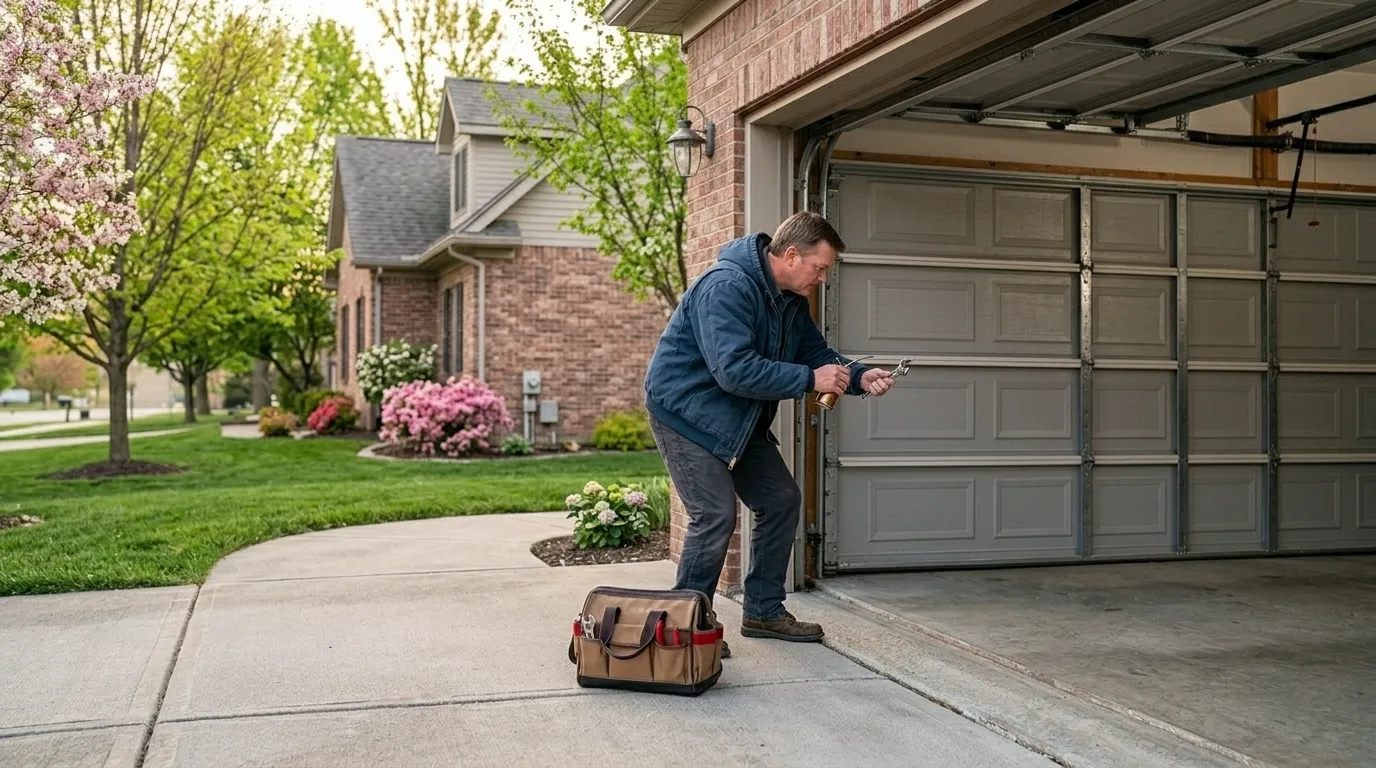
We're not going to put a number here that doesn't hold up, and we don't have a flat rate to quote you sight unseen. What we can tell you is what drives the cost: whether you're due for a basic tune-up (lube, balance check, hardware tightening) or whether the visit turns up something more, like a roller that's worn oval or a spring nearing the end of its cycle count. Homes across this service area were mostly built between 1979 and 2007, with the bulk of the stock dating to the 2000s, so a lot of doors we see are original equipment now fifteen to twenty-plus years old. That age bracket is exactly where maintenance visits either catch a cheap fix or confirm you're heading toward a bigger one. We'll tell you which, in person, before anything gets replaced. One honest limitation: if your opener or spring is already failing, a maintenance visit isn't going to fix that - it'll turn into a repair quote instead, and we'll say so rather than charge you for a tune-up that can't do the job.
How Long It Takes
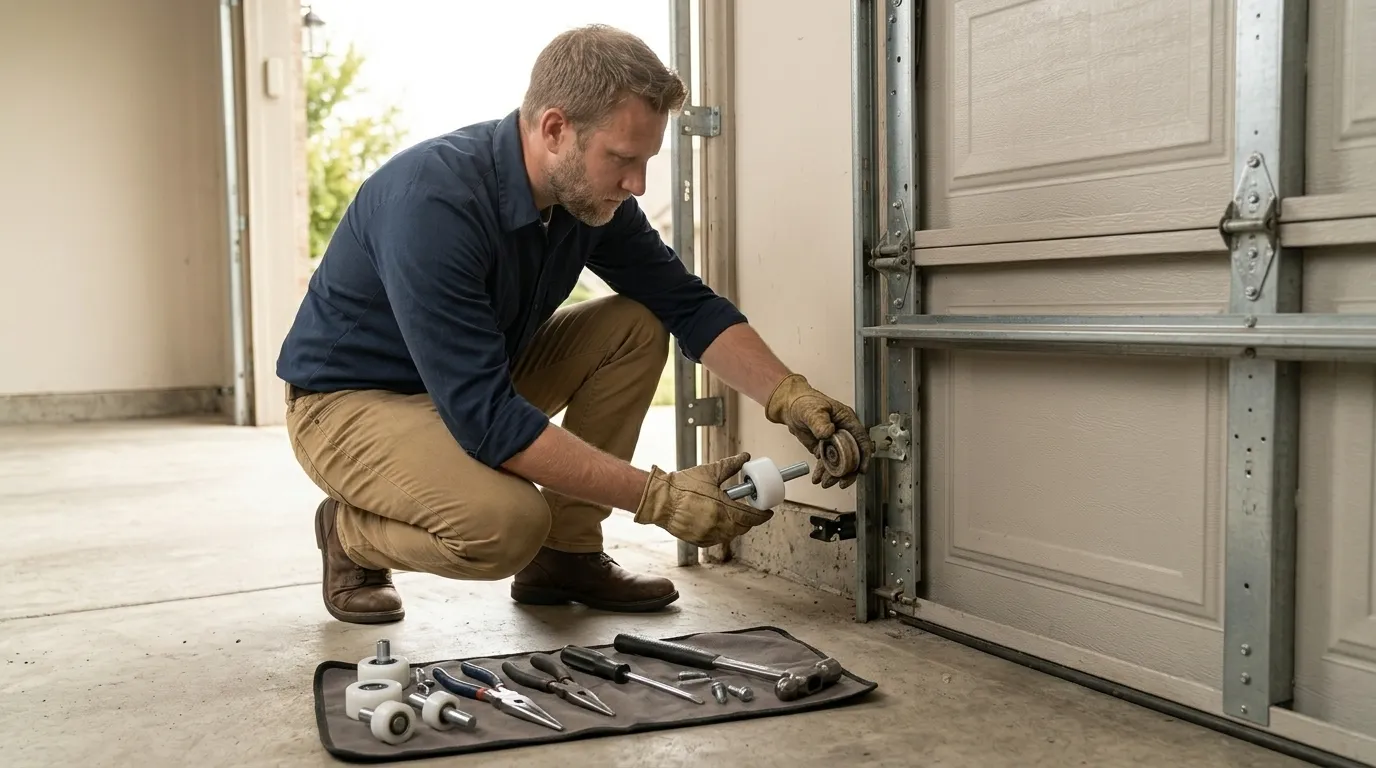
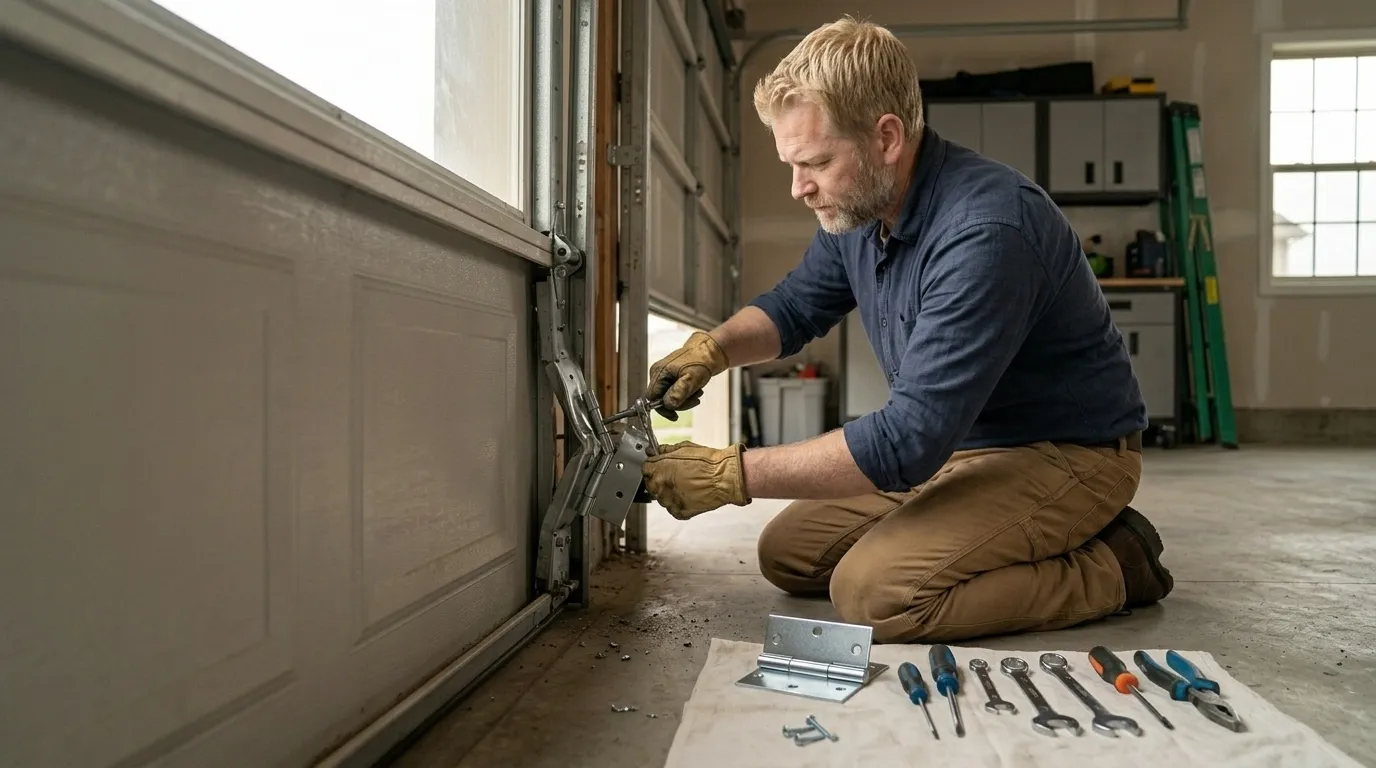
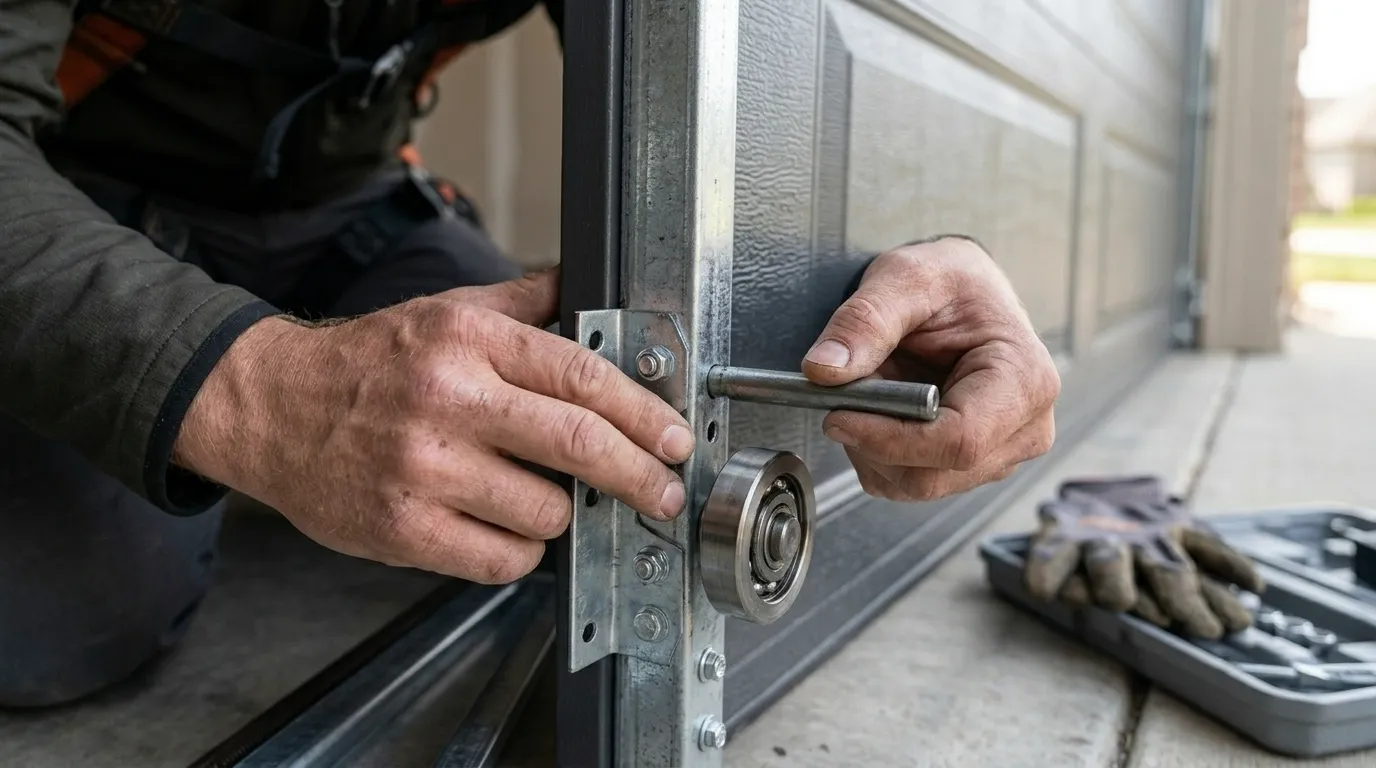
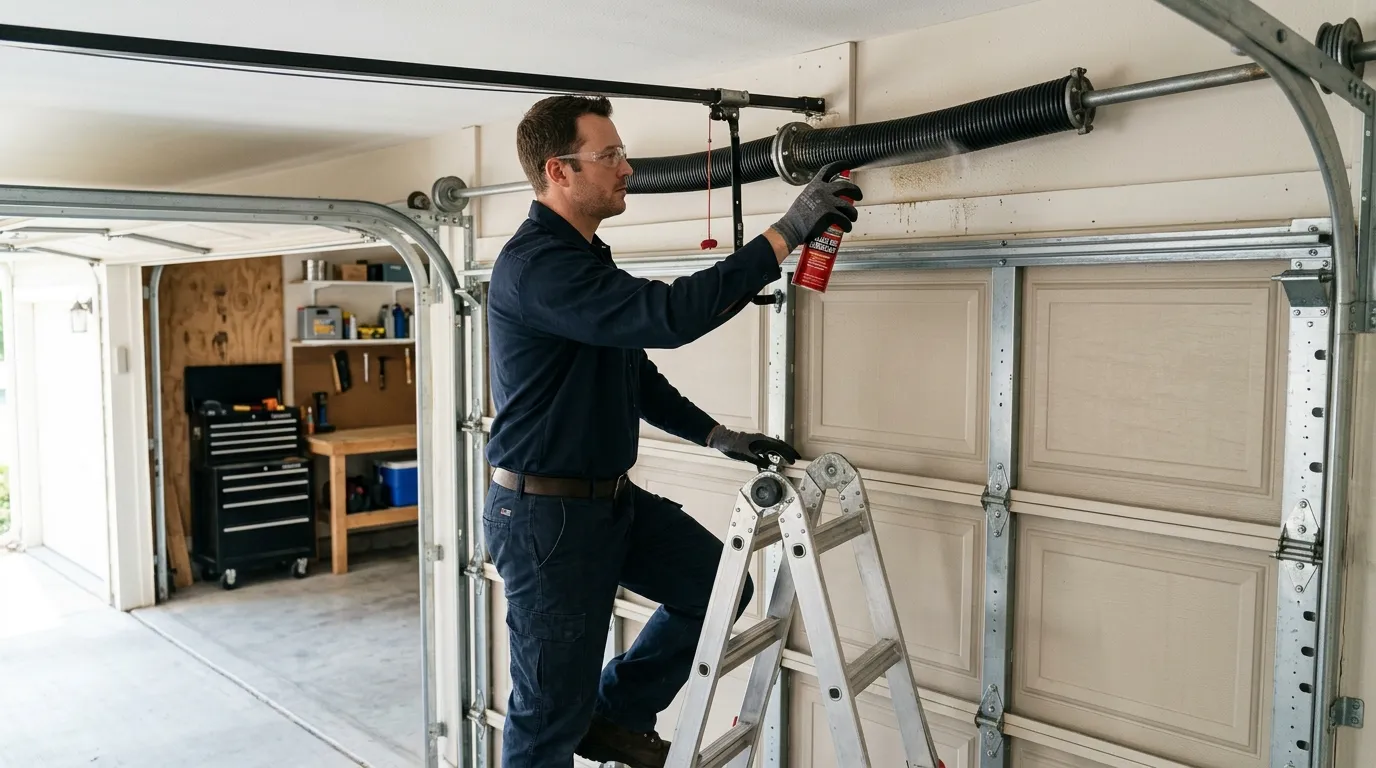
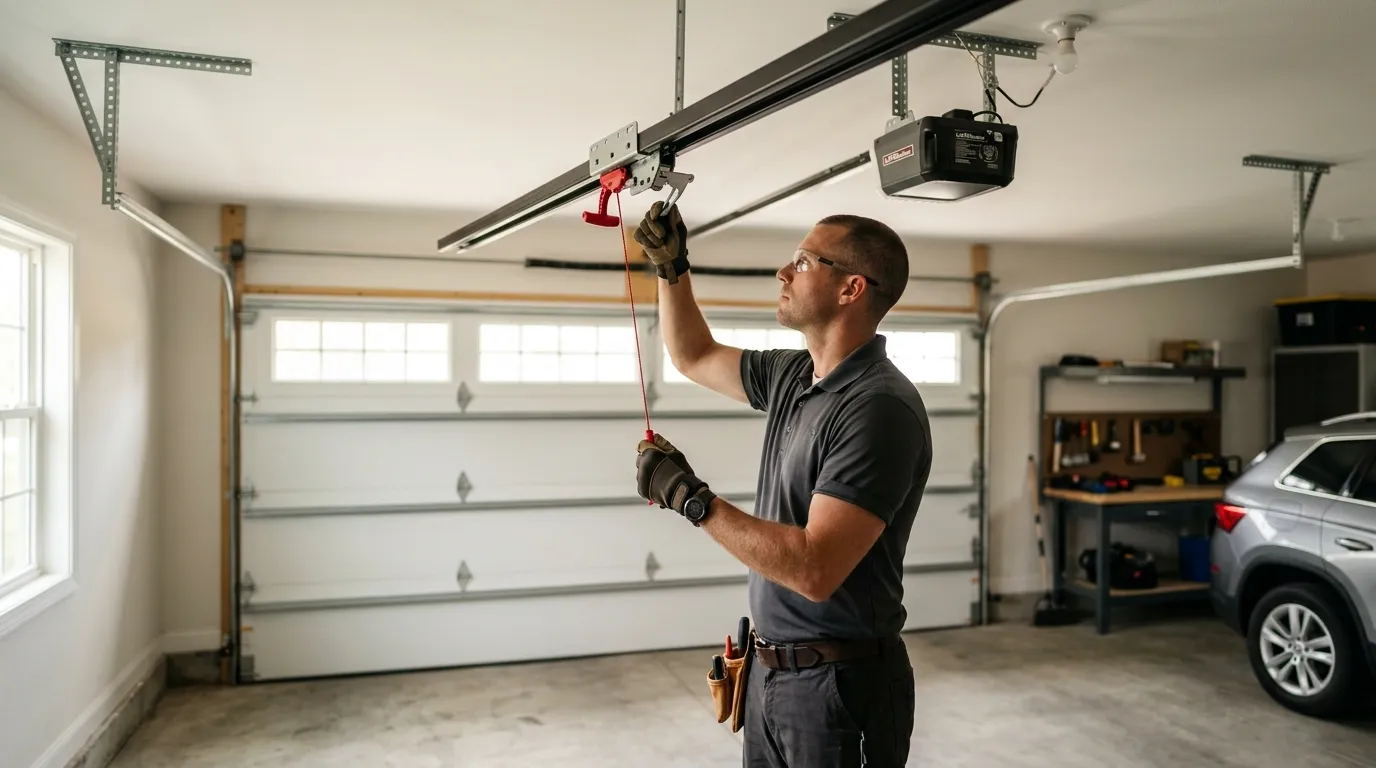
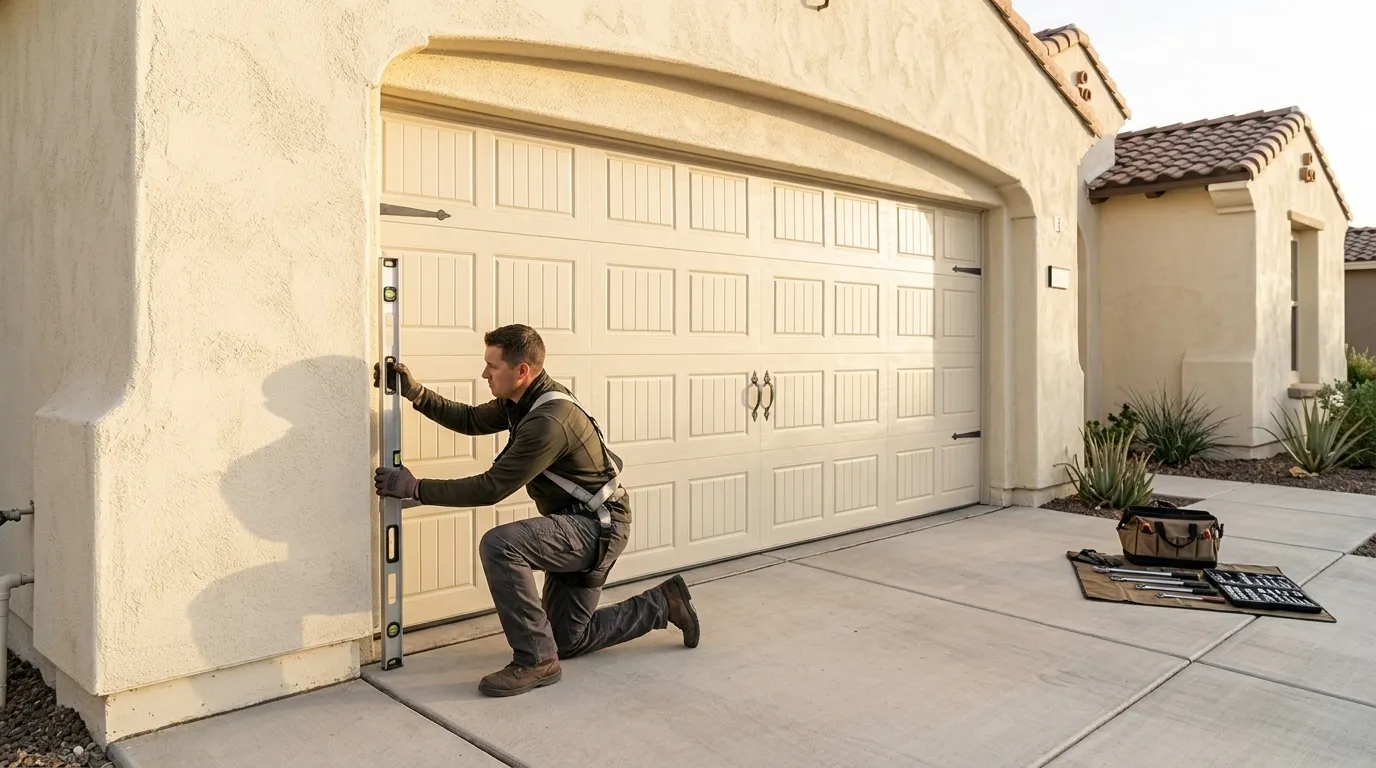
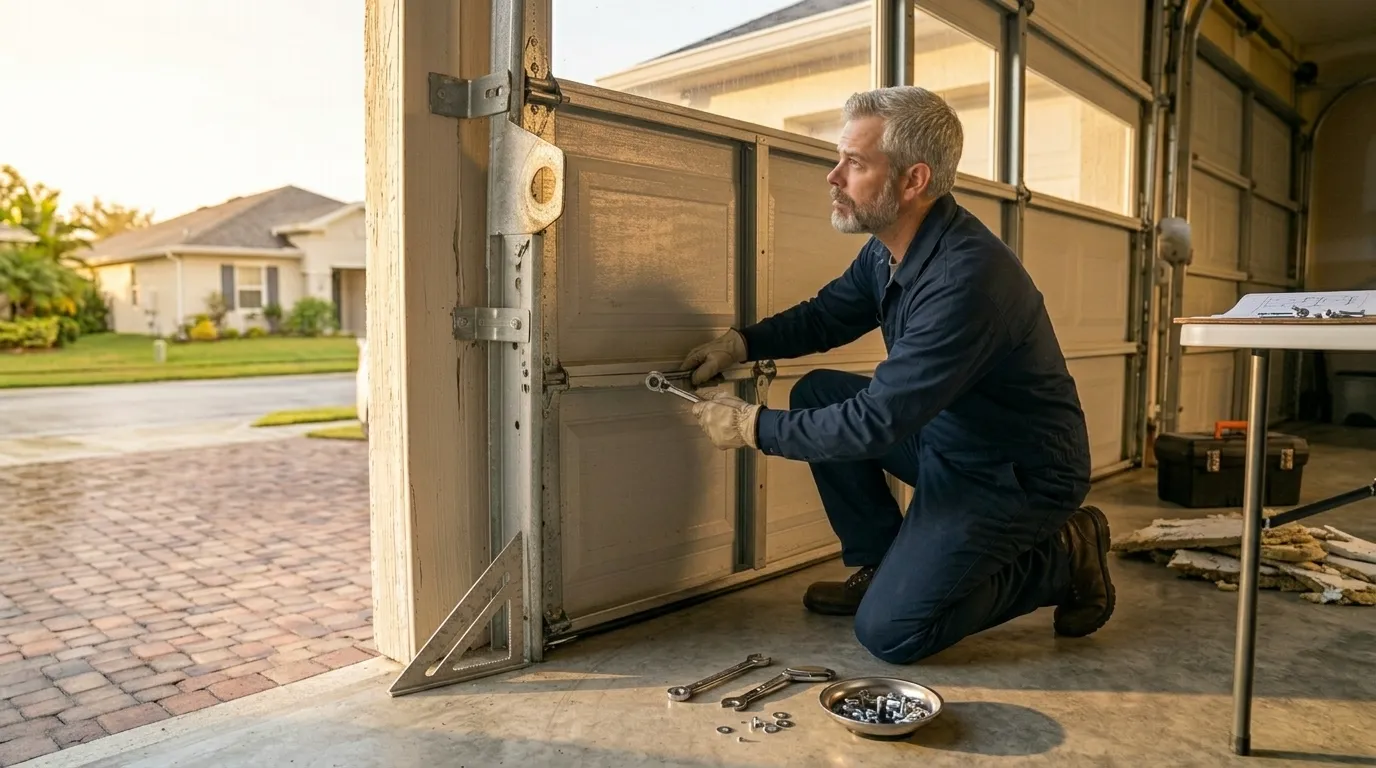
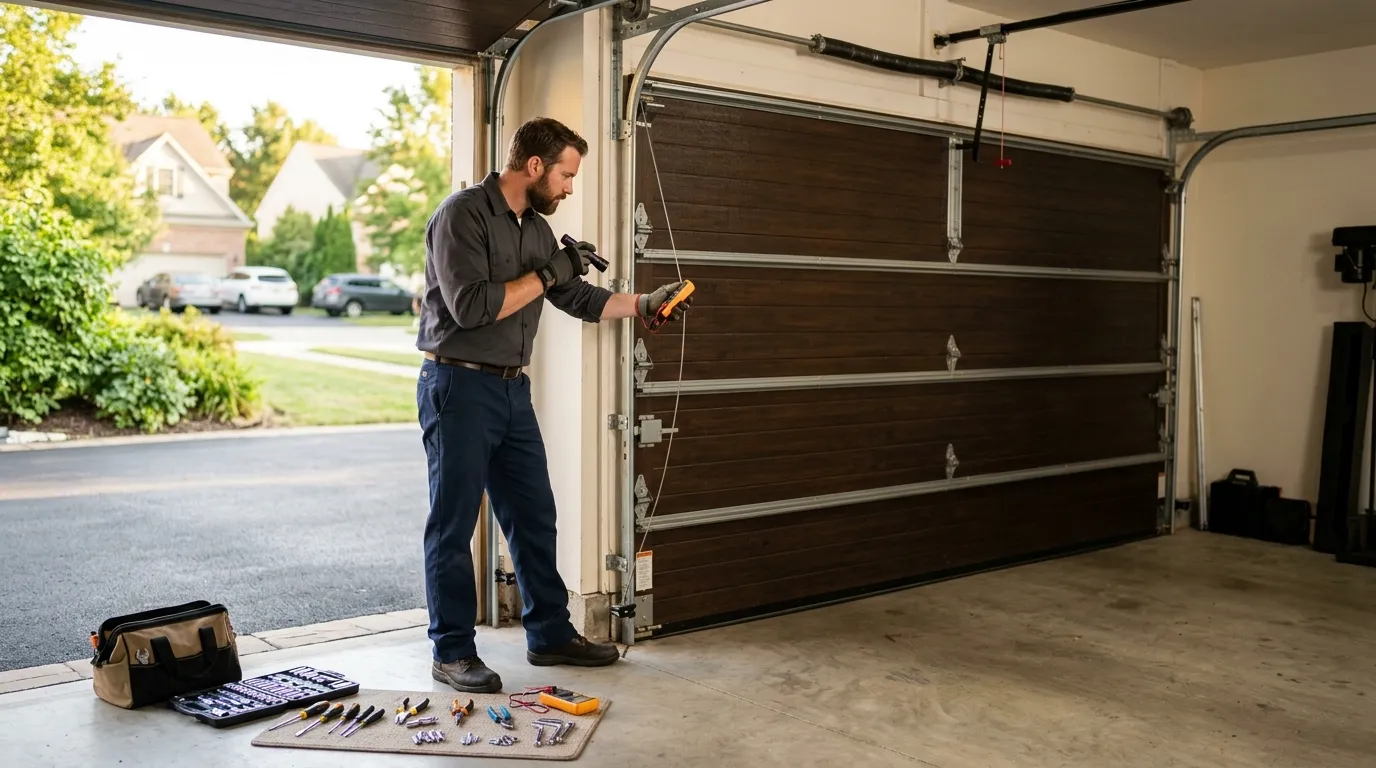
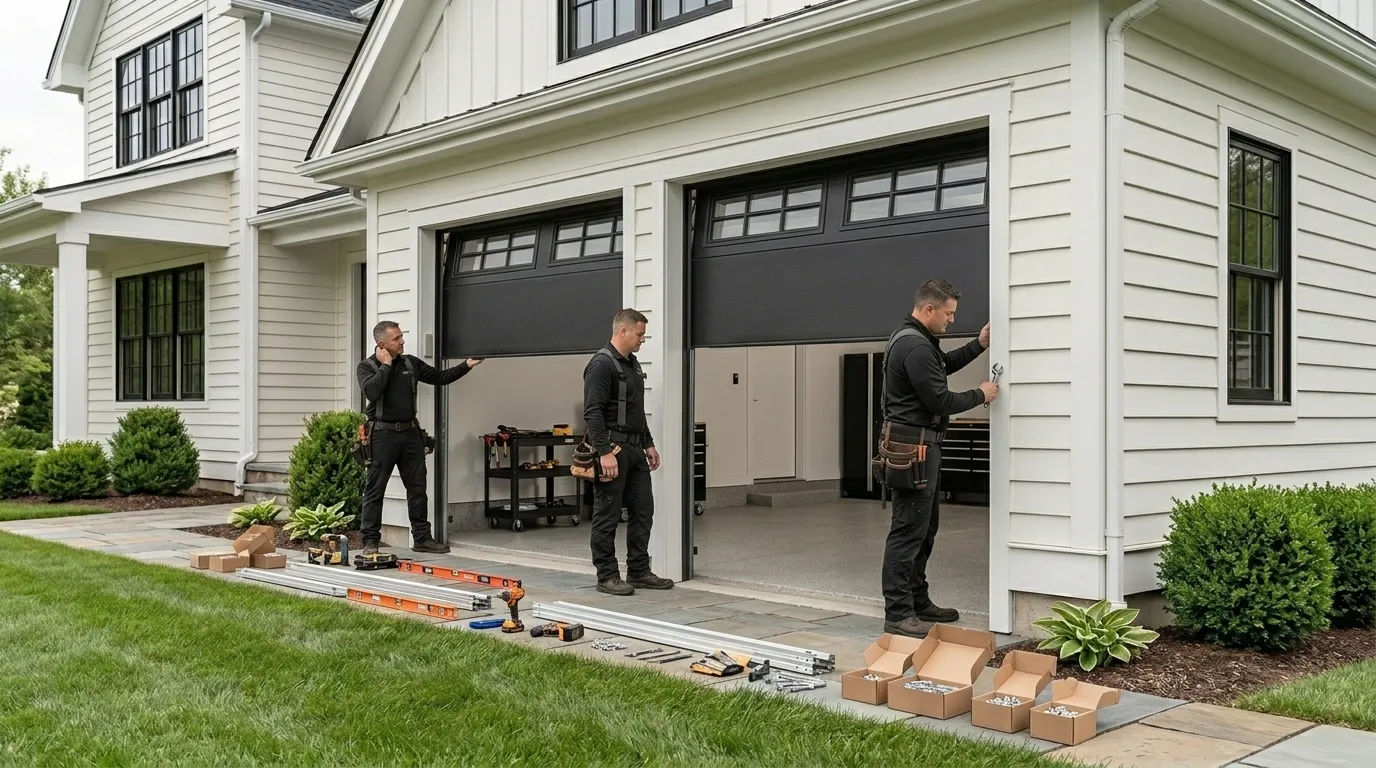
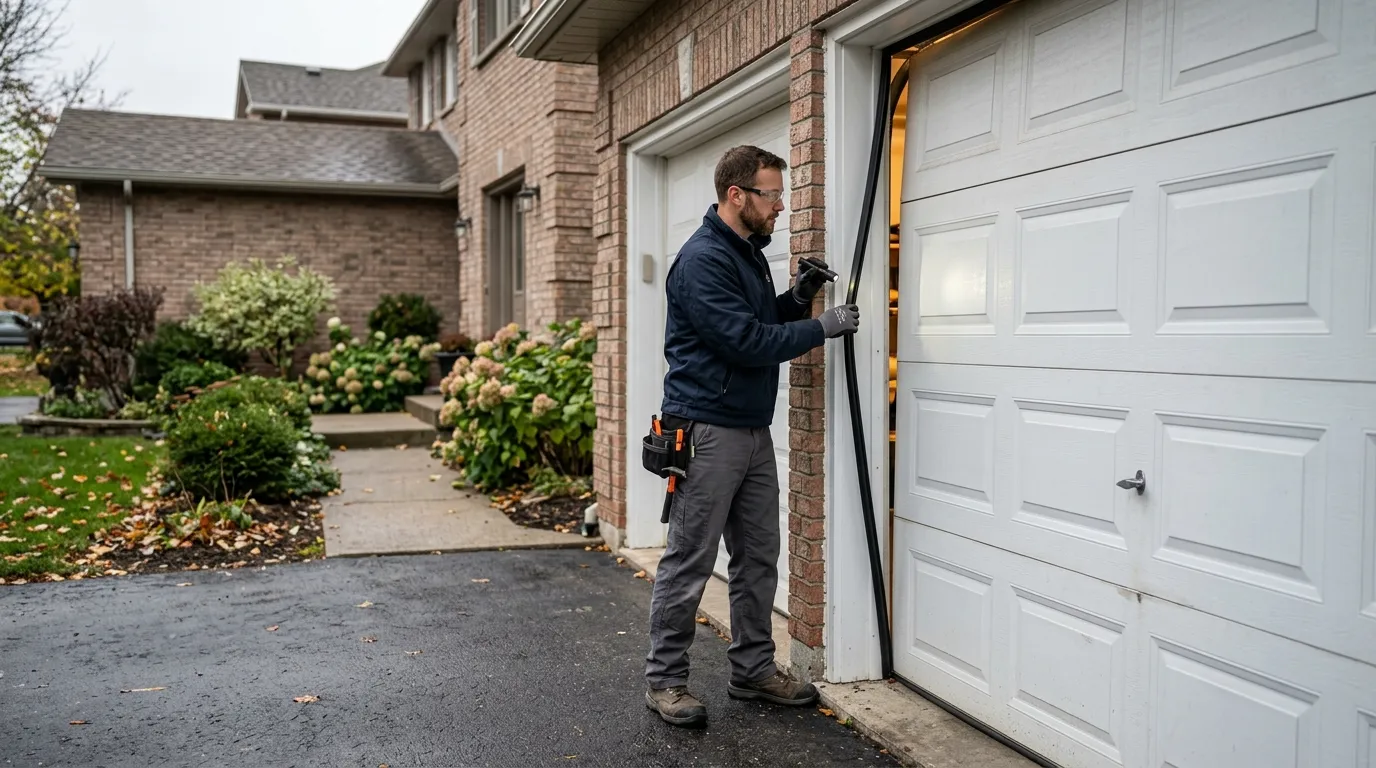
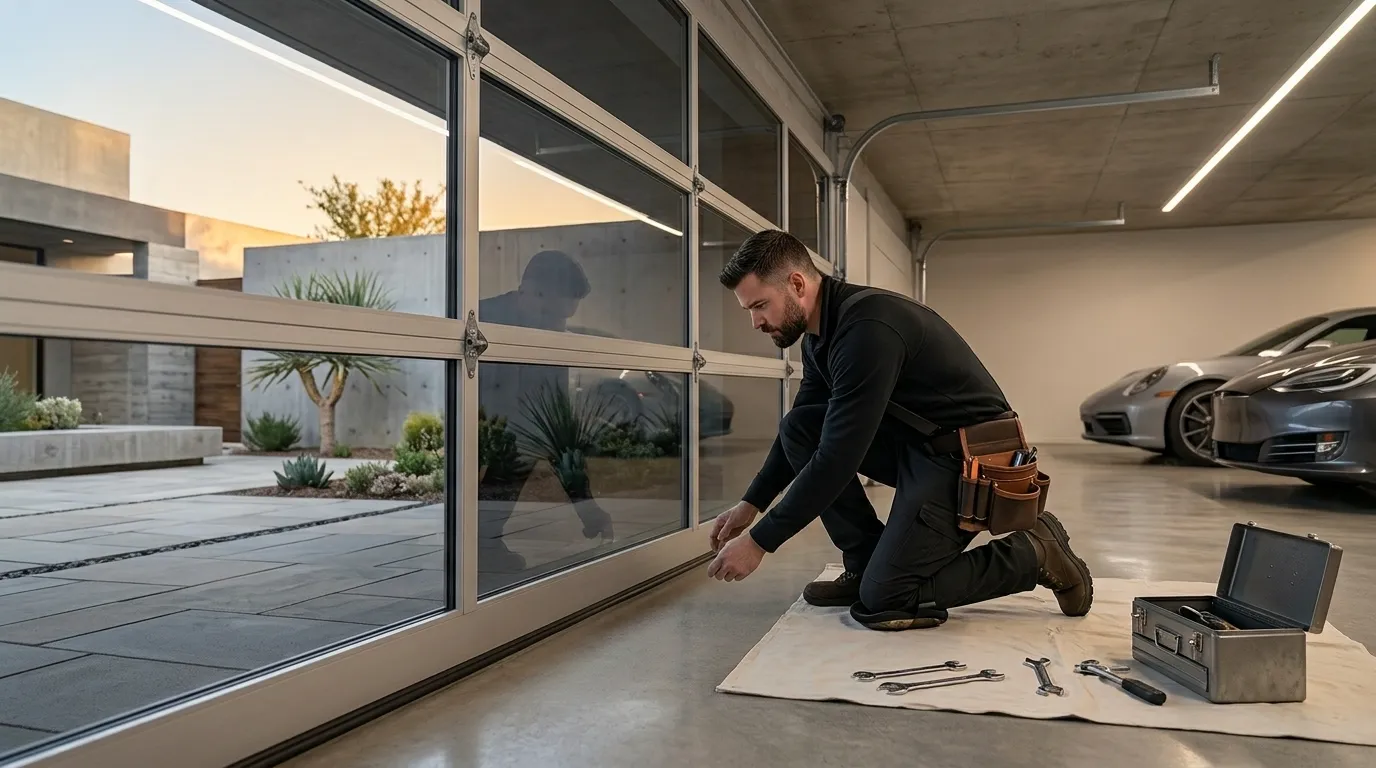
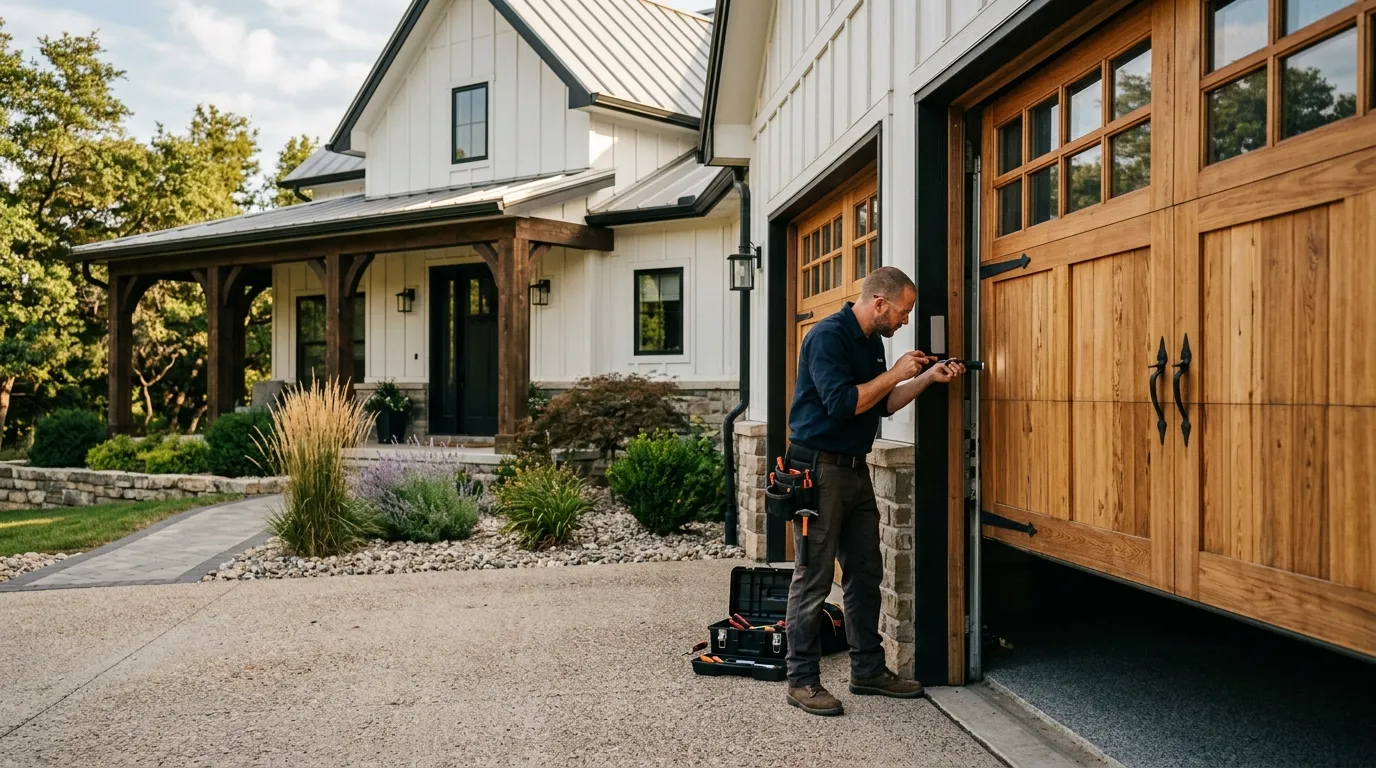
A standard maintenance visit on a single door doesn't take long - most of the time is spent on inspection, not labor. We check the track alignment, cycle the door under power to listen for the sounds a heat-stressed system makes, lube the rollers and hinges, and torque down hardware that's worked loose. Two-car doors with heavier sections take a bit more time to balance-test properly. What extends a visit is usually what we find: a household in a home from the 2000s-era stock common across this area might have a spring that's lost tension from years of thermal cycling, and that's a different conversation than a fifteen-minute lube job. We'd rather take the extra few minutes to actually test balance and cable wear than rush through a checklist and call it done.
What You Are Seeing
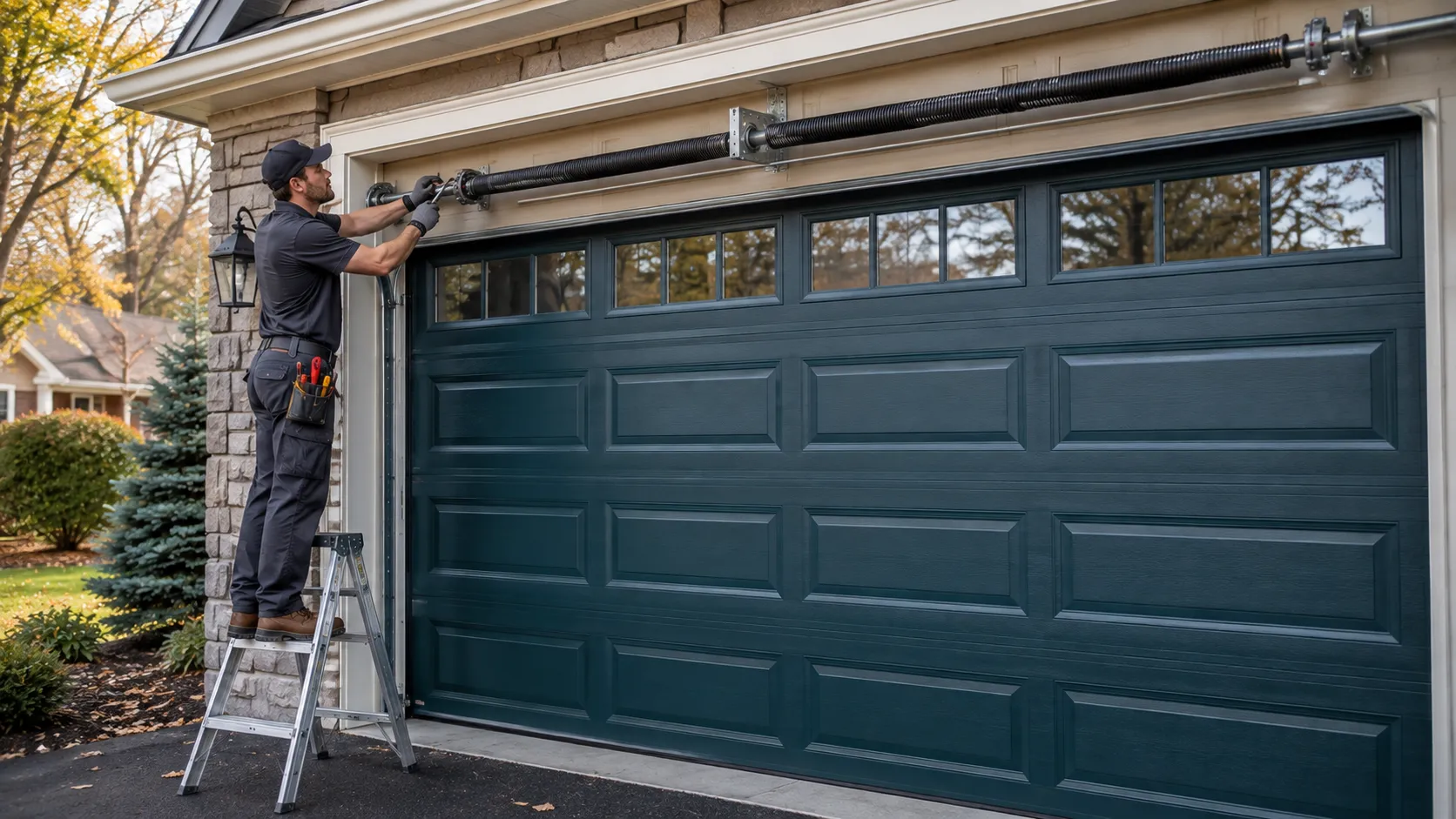
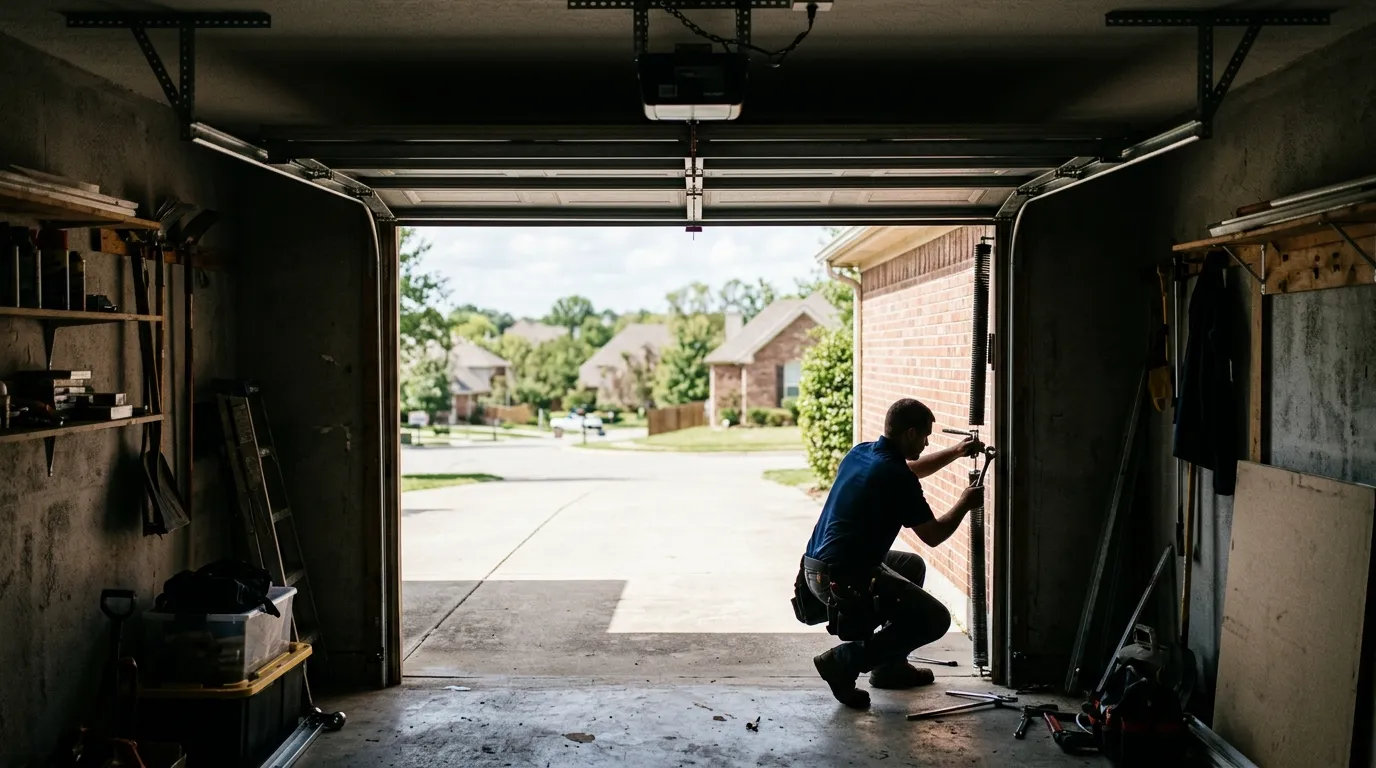
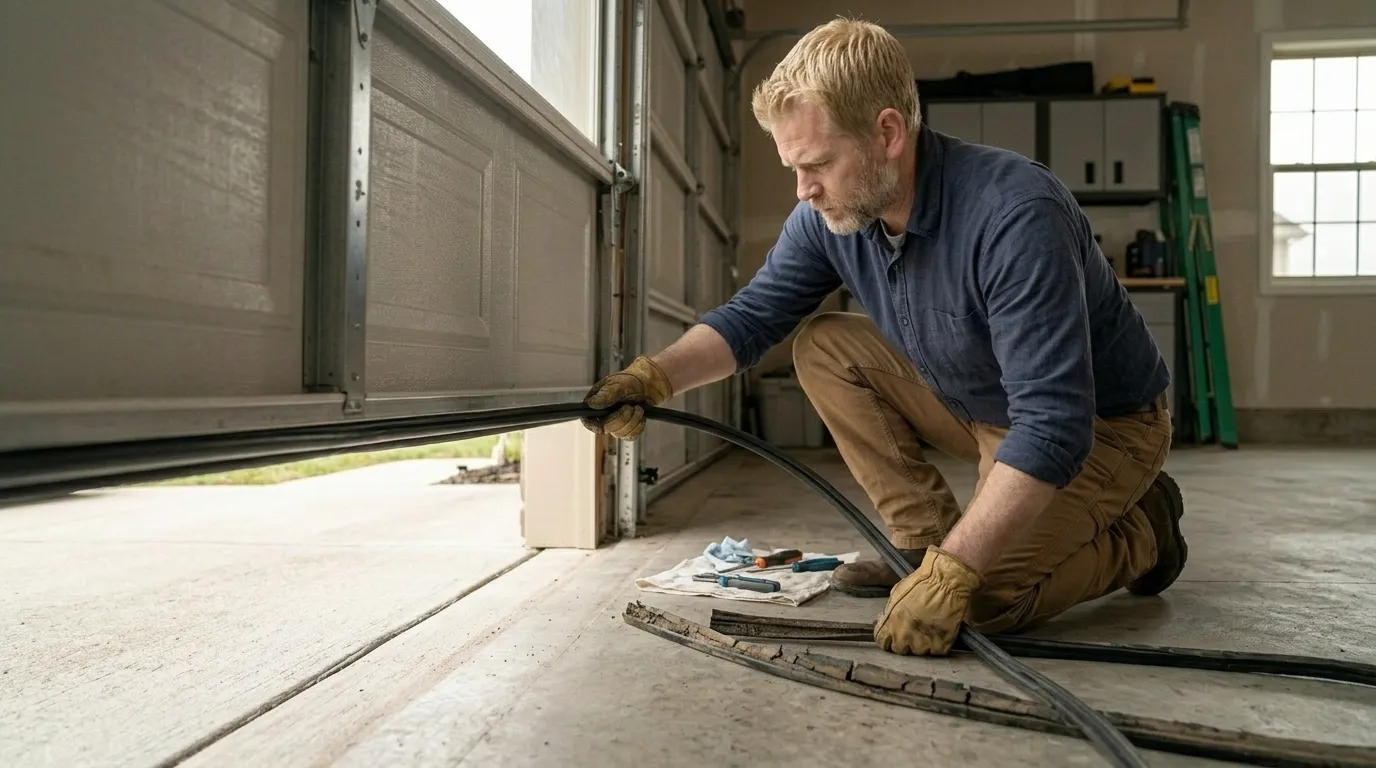
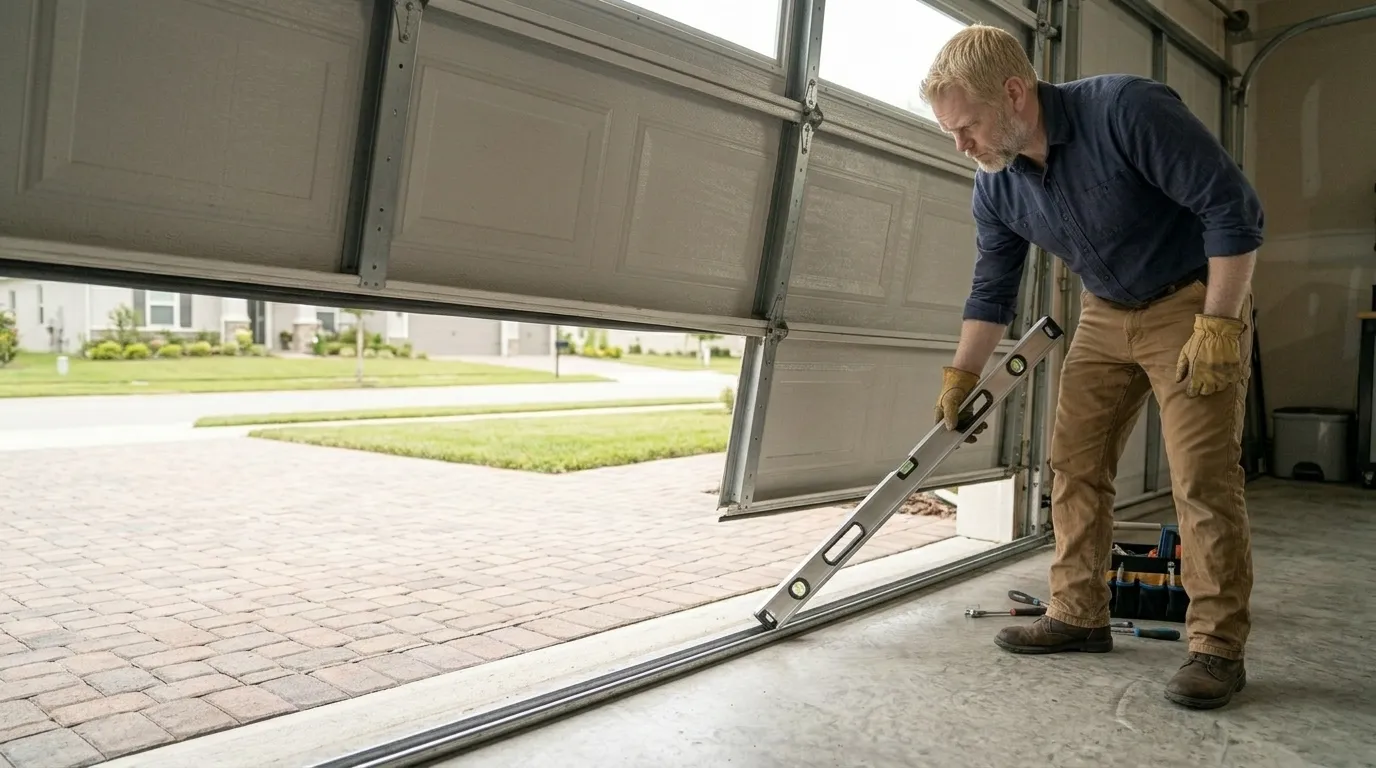
If your door's been getting noisier, or the opener seems to strain more before it lifts, or you notice the door doesn't sit flush when it closes, those are the early signs maintenance is meant to catch before they become a stuck door on the hottest day of the year. A dry, grinding roller sound usually means the lubricant baked off. A door that closes unevenly, or drifts open a few inches after you thought it latched, often points to a spring that's lost tension - common in homes built during the 1979-2007 window now reaching that stage in torsion spring life. None of these on their own mean the door is about to fail, but together they're the pattern we look for on a maintenance call.
What Causes It Around Here
Phoenix sits in a severe heat climate band, and that's the single biggest reason maintenance schedules here look different from a lot of the country. Extreme summer heat thins out standard grease and lubricant faster, dries seals, and puts extra thermal cycling stress on springs and hardware that expand and contract with triple-digit swings day after day. Across the service area - more than 40,000 owner-occupied houses among roughly 51,000 households - most of the housing stock is from 1979 through 2007, meaning a large share of doors and openers are old enough that original lubricant and factory-grade hardware have been through twenty-plus summers of that cycle. That combination - older hardware plus sustained heat load - is why we see spring fatigue and roller wear show up here on a shorter timeline than in milder climates. It's not that Phoenix doors are built worse; it's that the heat asks more of them every single day.
How it works
From “it’s stuck” to “it’s fixed”
01
Tell us what’s wrong
Describe the symptom - won’t open, loud bang, opener runs but the door won’t move.
02
On-site diagnosis
A technician tests the door under power and by hand and finds what actually failed.
03
Clear, up-front plan
You get the fix that’s needed and what drives the cost - before any work starts.
04
Repaired & tested
The repair is done, the door is set true and tested, and the work area left clean.
Serving Phoenix, AZ - tell us what your door’s doing and we’ll take it from there.
How often should I get my garage door serviced in Phoenix?
Given the severe heat here, we generally recommend checking lubrication and spring tension more often than a mild-climate guide would suggest, since heat cycling wears grease and hardware faster. The right interval depends on your door's age and how much your system already shows wear - we'll tell you honestly when we look at it rather than push a fixed schedule.
My garage door is from the early 2000s - is that too old to maintain instead of replace?
Not necessarily. A lot of homes in this service area were built between 1979 and 2007, and doors from that era are often mechanically sound if the spring and hardware haven't failed yet. Maintenance can extend that life. If the door itself is warped or the opener is obsolete, replacement may make more sense - we'll tell you which applies.
Why does my garage door sound worse in summer?
Heat thins lubricant and dries it out faster, so rollers and hinges that were quiet in spring start grinding by July. It's one of the most common calls we get during the hottest stretch of the year, and it's usually a straightforward lube and adjustment rather than a part failure.
Do you serve areas outside Phoenix proper?
We cover the broader Phoenix service area, including nearby communities. If you're not sure whether your location is covered, reach out and we'll confirm before scheduling.
Ready to get your garage door sorted?
Tell us what it’s doing and where you are in Phoenix - we’ll take it from there.