How That Shows Up in the Door
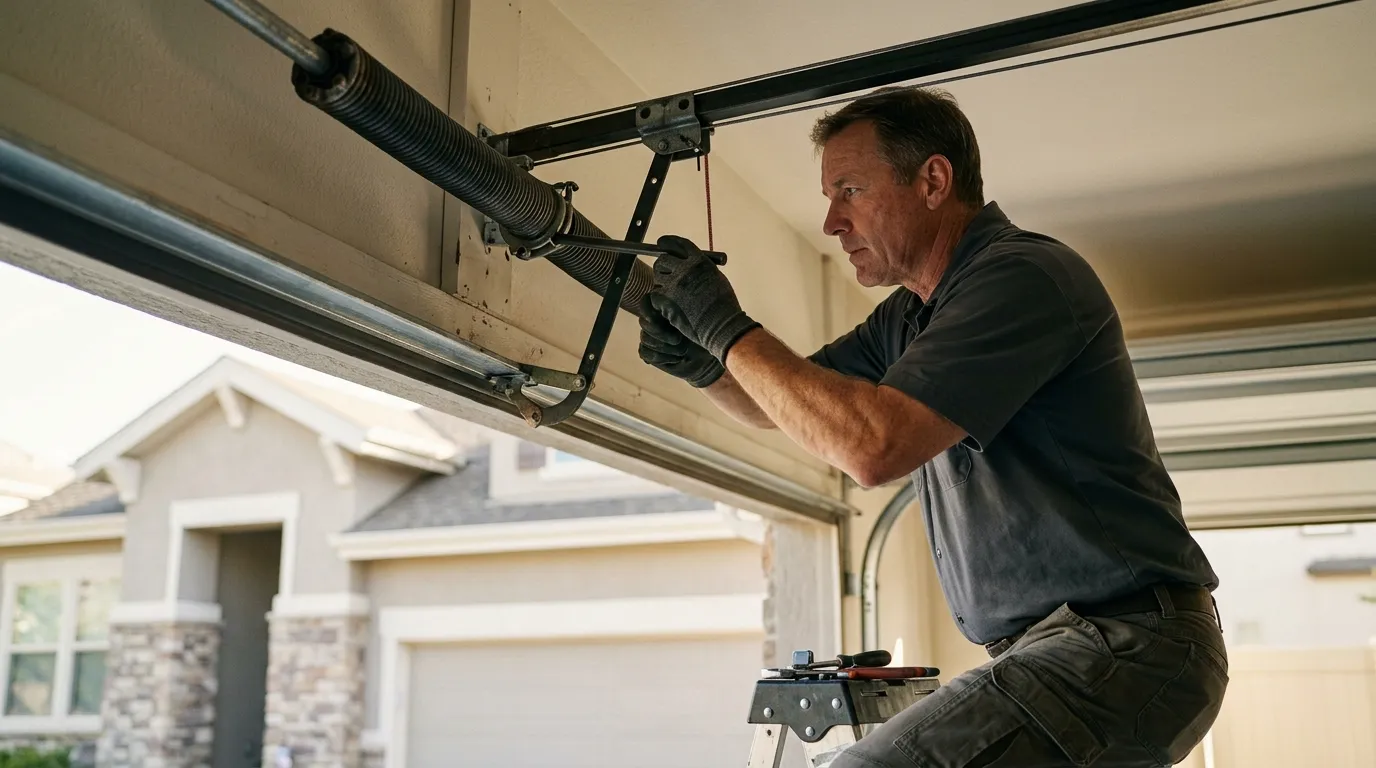
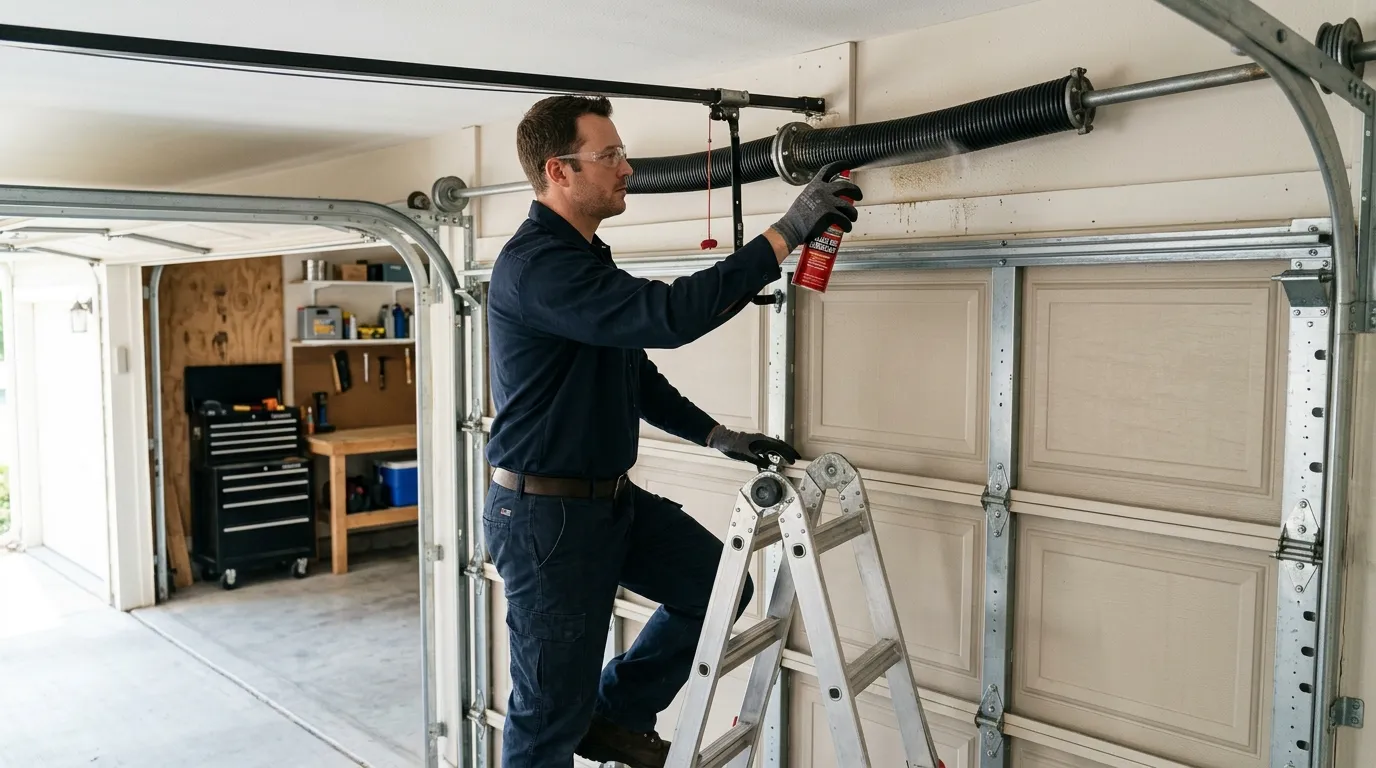
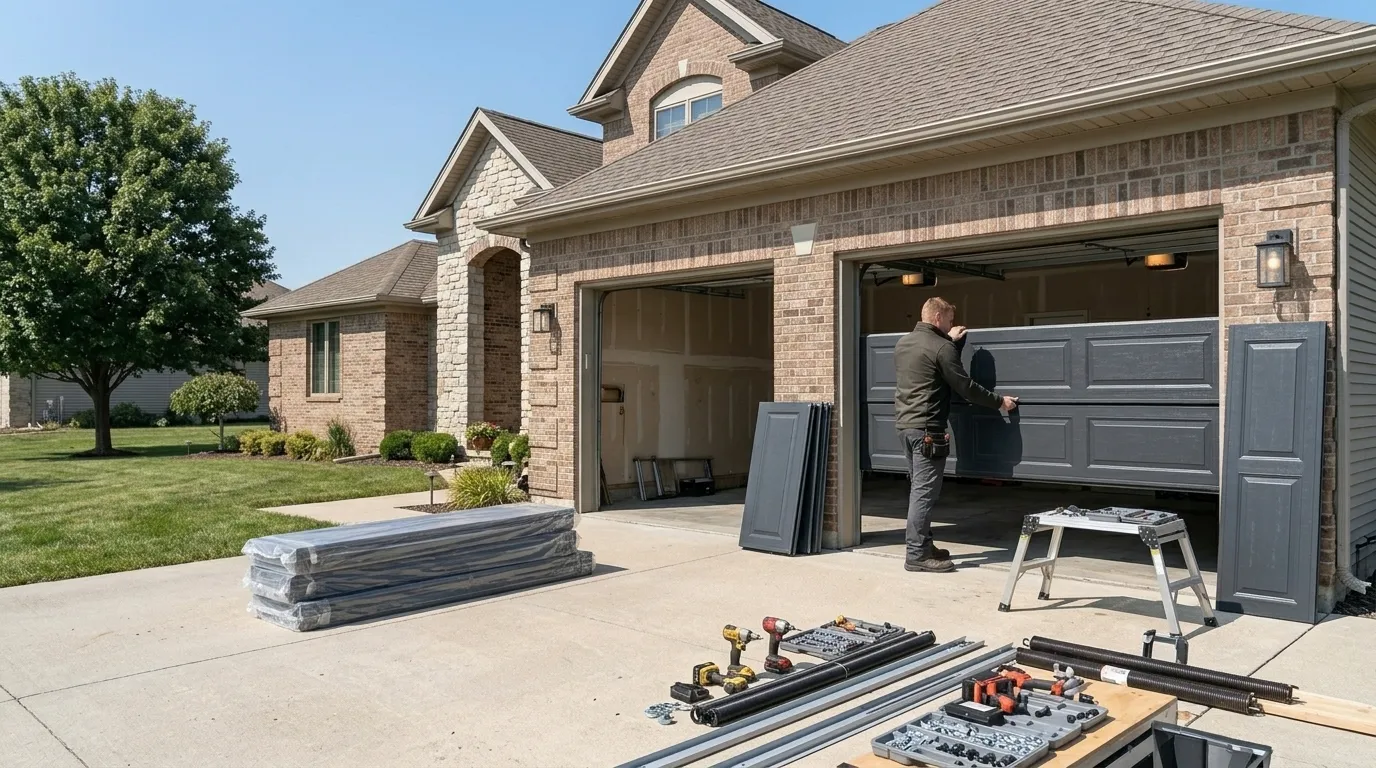
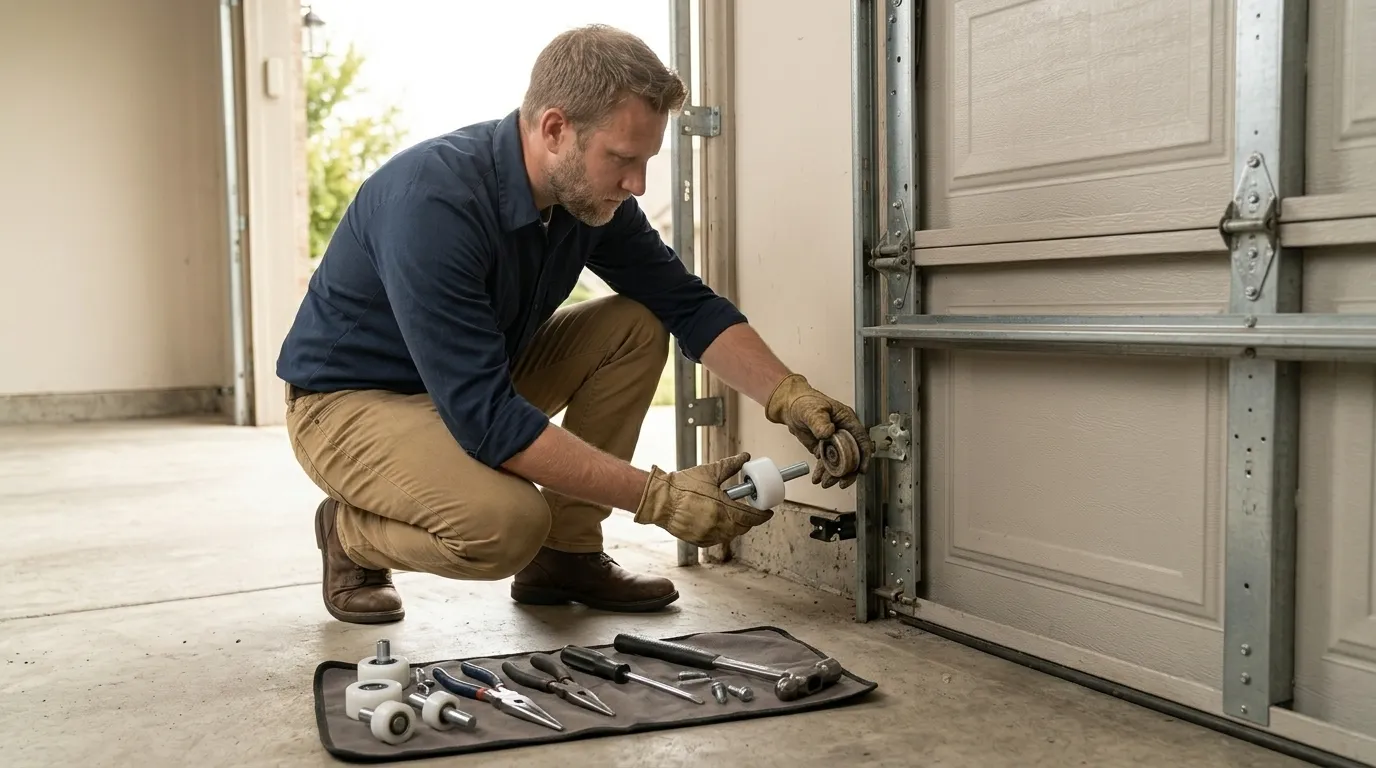
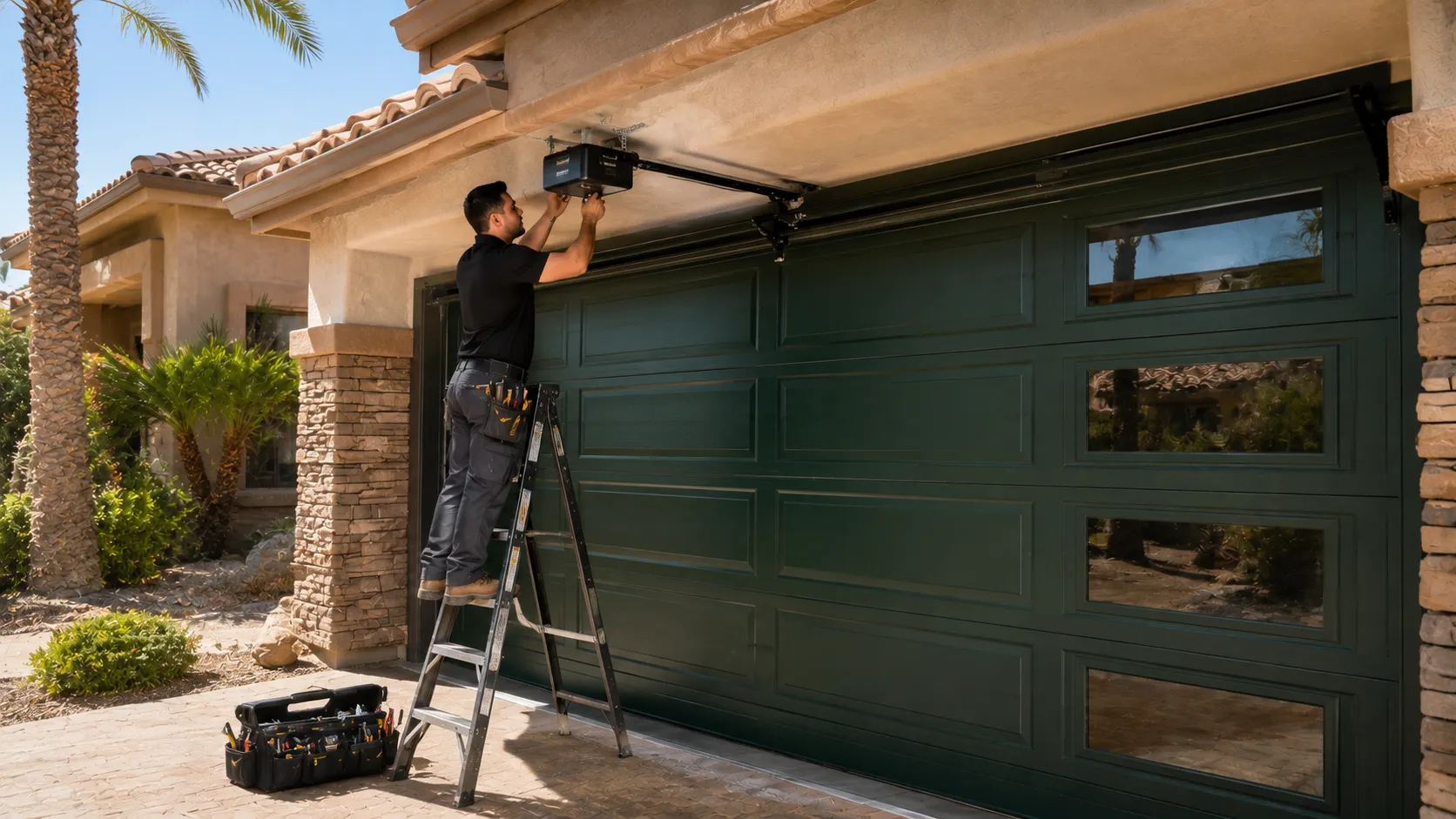
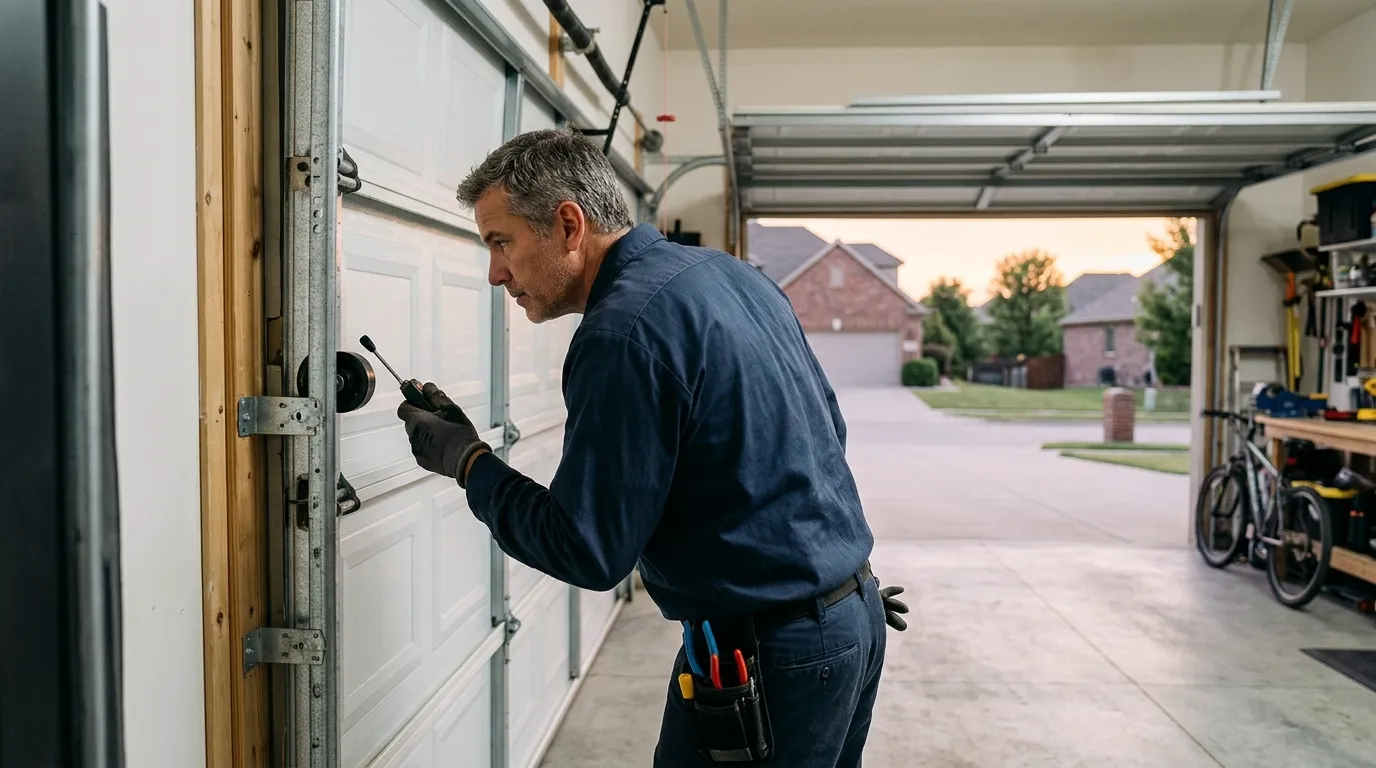
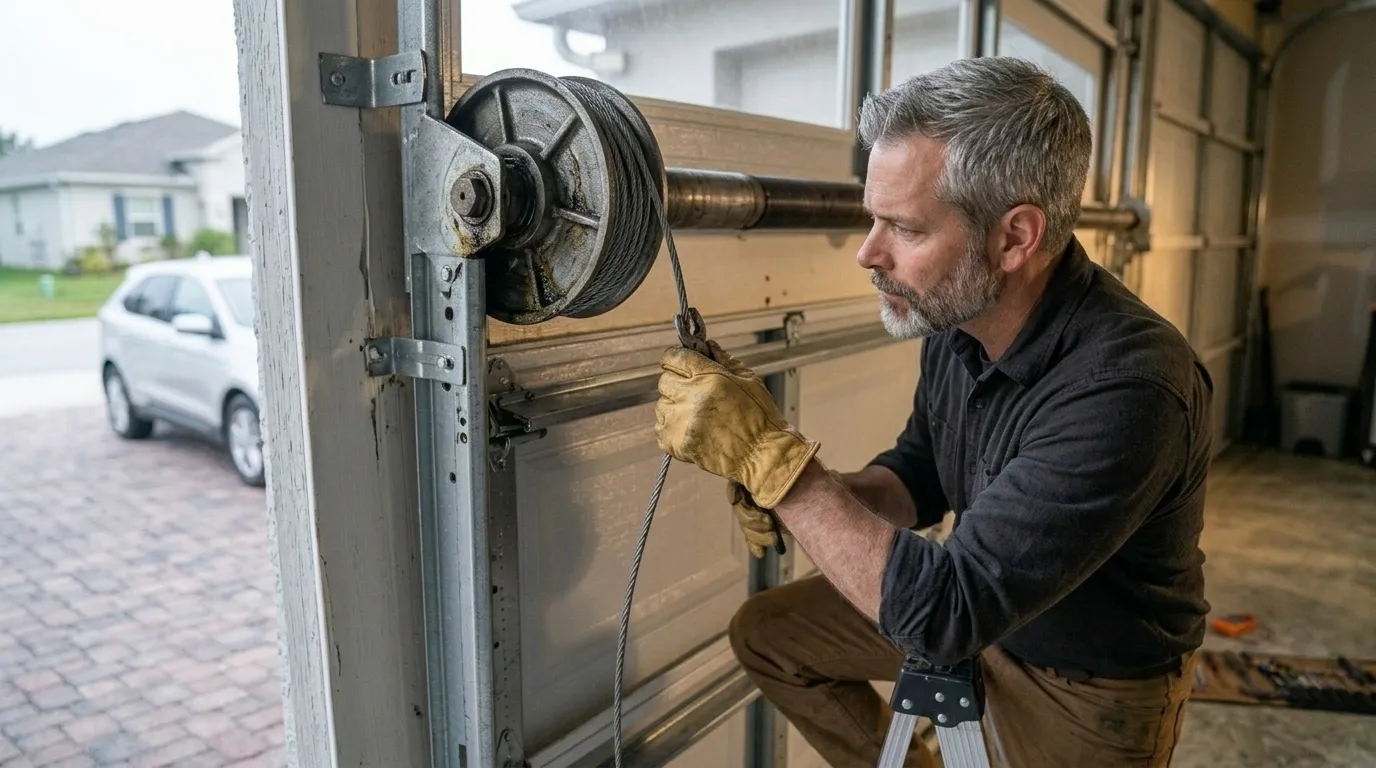
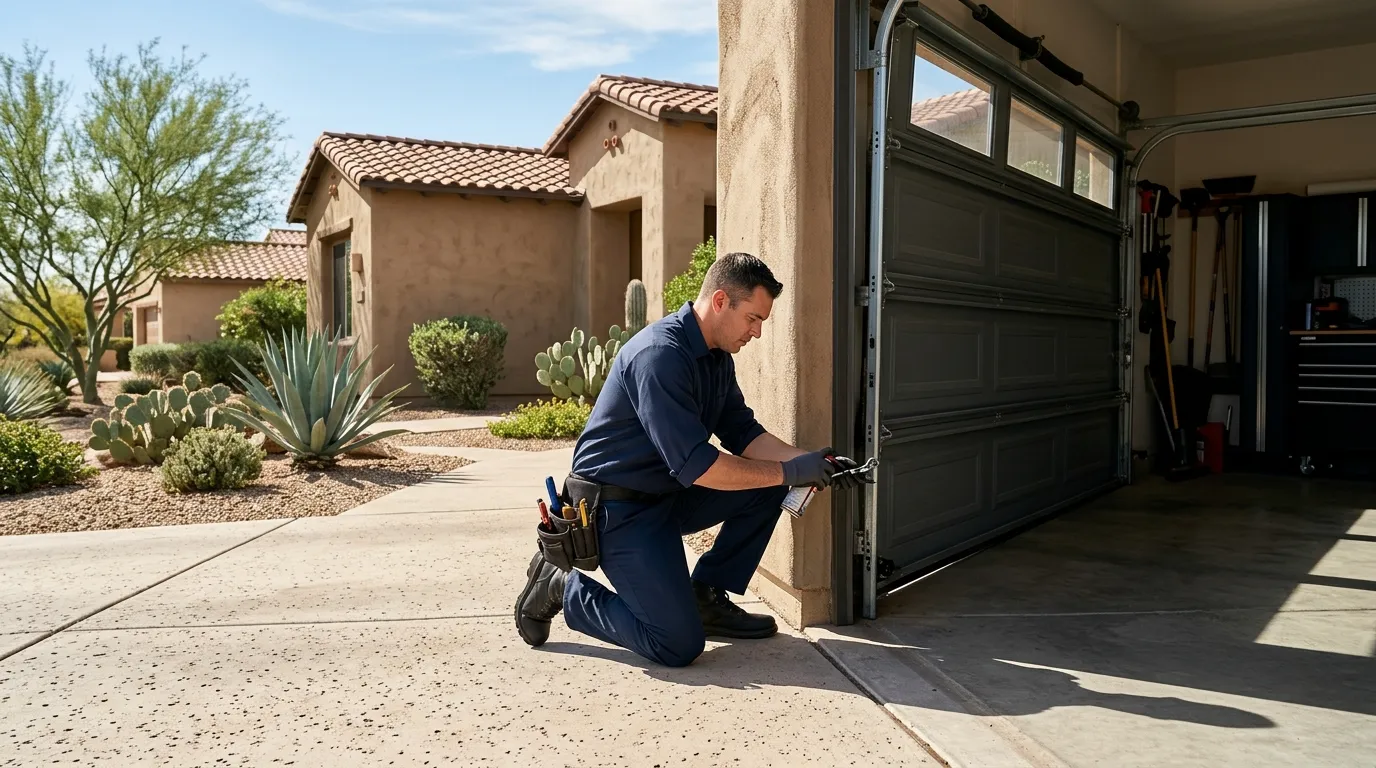
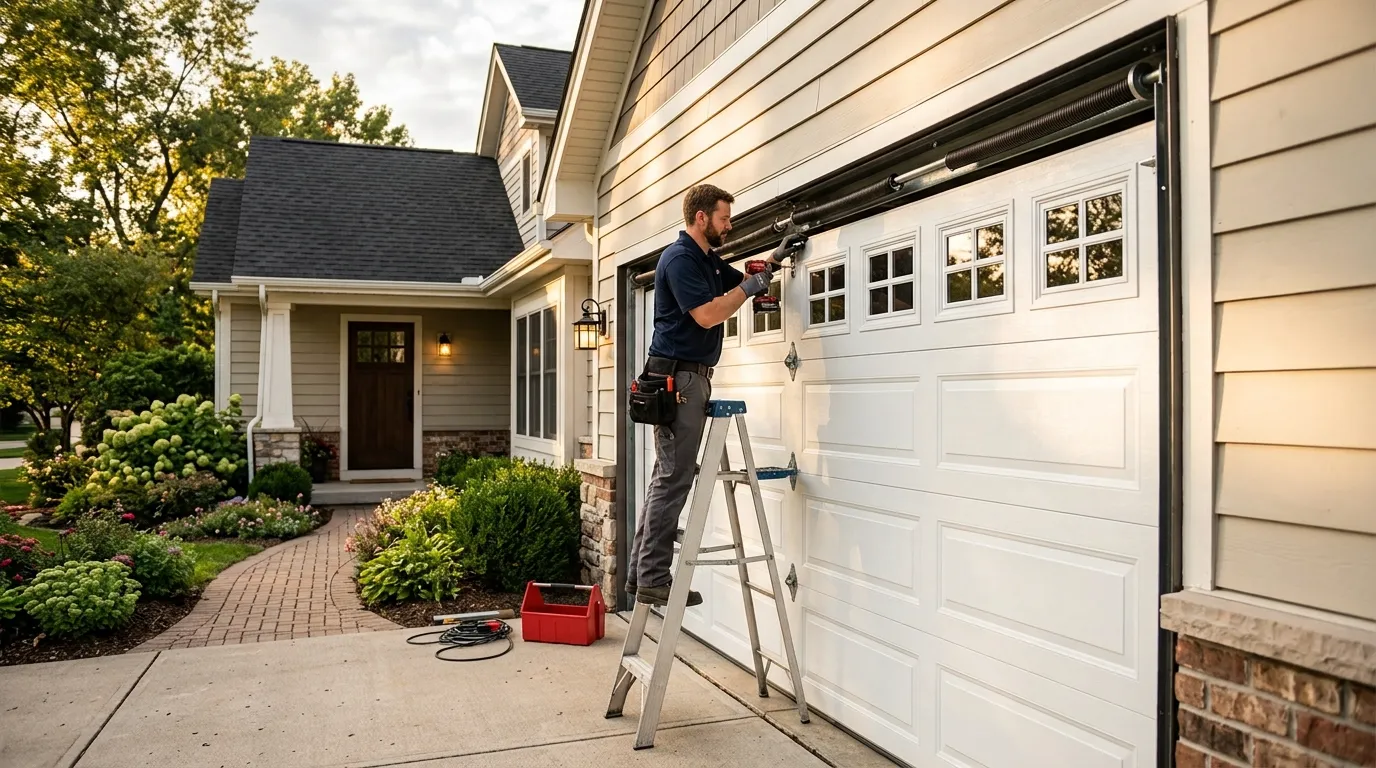
A door built around 1985 in the Phoenix heat band has usually been through 35-plus summers of a garage that regularly hits well past 100 degrees. That kind of heat cycling dries out lubrication fast, hardens nylon rollers until they crack, and fatigues galvanized torsion springs years before their rated cycle count runs out. On a lot of these original setups the spring is sized for a lighter door than what's actually hanging on it, since insulated panel doors got heavier over the decades and not every homeowner upgraded the spring to match. We also see aluminum track that's warped slightly from sun exposure on south- and west-facing garages, which throws the door off its rollers under load. None of this is unique dramatics, it's just what 1985-era hardware does after decades of severe desert heat, and it's why a
The Houses Here
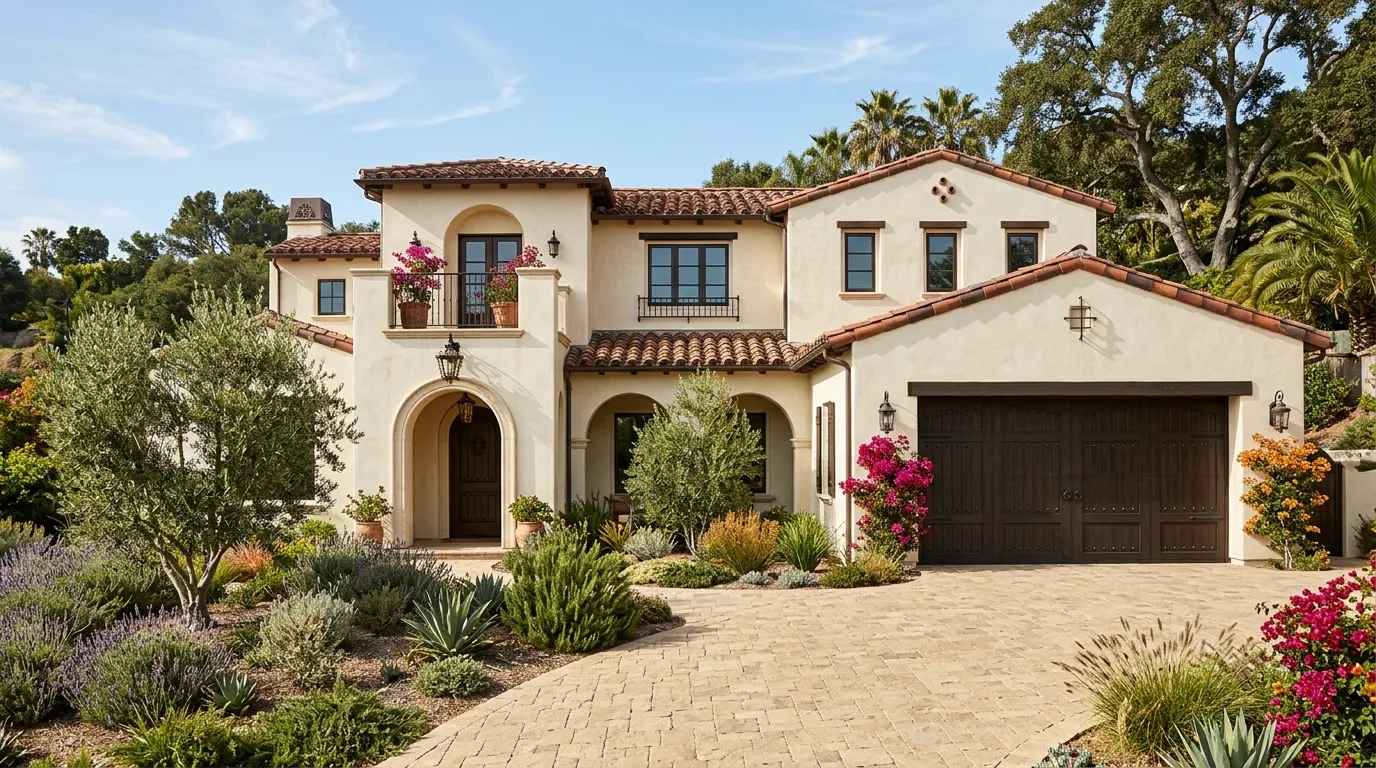
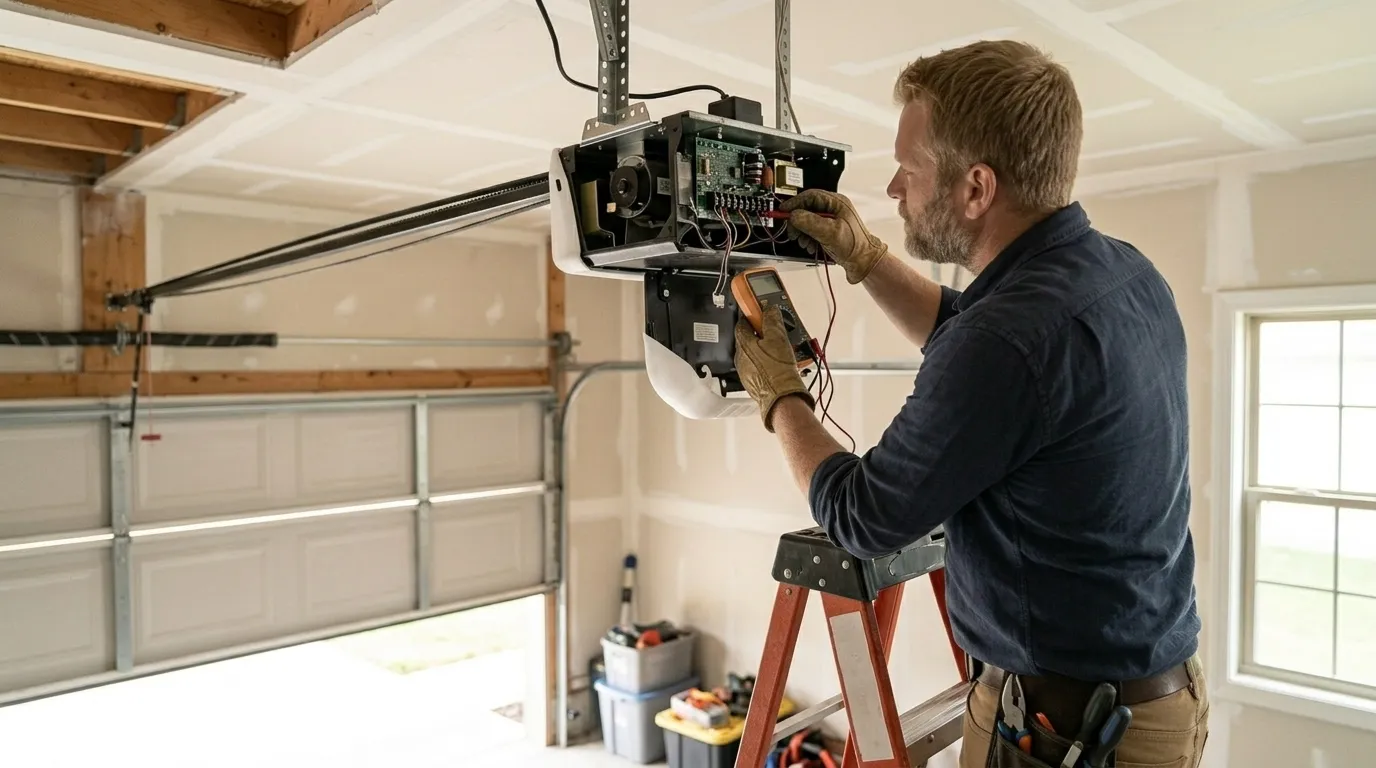
Paradise Valley's housing stock is noticeably older than the broader Phoenix service area, where the median build year runs closer to 2001. That gap of roughly 15 years matters more than it sounds like on paper. Homes from the mid-1980s were built to a different set of insulation and garage-door standards than the 2000s stock that dominates much of the rest of the area we cover, and that shows up in heavier steel doors, older wind-load ratings, and openers that predate today's rolling-code safety standards. With around 4,972 households in Paradise Valley, we're not talking about a huge volume of homes, but the ones here tend to be larger lots with attached three-car garages, which means wider doors and correspondingly heavier springs than the single-car setups common in newer subdivisions elsewhere in the valley. If your door was original to the house, it's already outlived its expected spring life more than once over.