How Local Conditions Play In
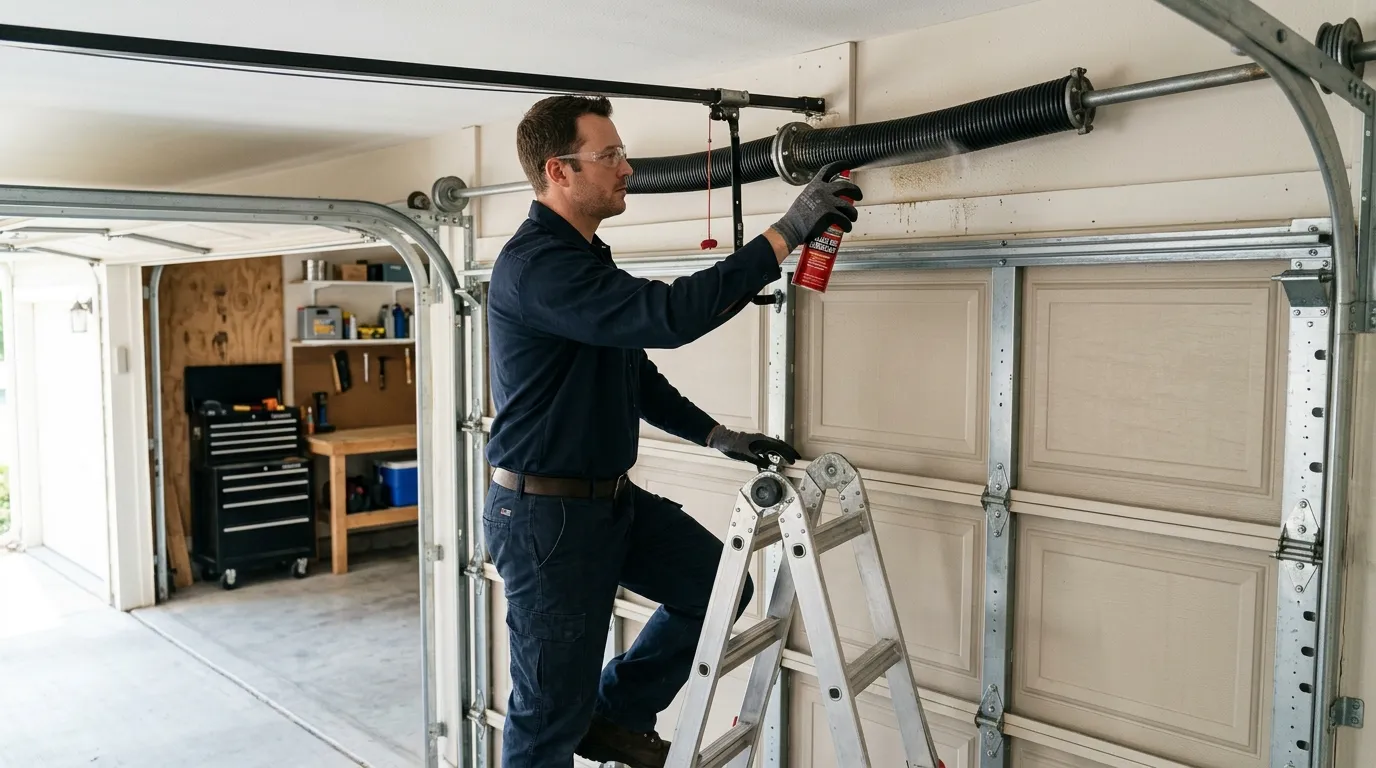
This service area sits in a severe heat climate band, and that matters more for springs than most people think. Steel work-hardens and loses temper faster when it spends months at high surface temperature every year, which is exactly what a garage-mounted torsion spring does here. The coil sits a few feet under a hot roof deck for a good chunk of the year, cycling open and closed while already fatigued.
A cold snap doesn't cause that fatigue. What it does is stiffen and slightly contract a spring that's already down to its last few thousand cycles, adding just enough extra load to finish the job. So the failure shows up on the cold morning, but the real damage was done across all those 100-plus-degree summers on a spring installed back when the house was built.
The Common Mistake
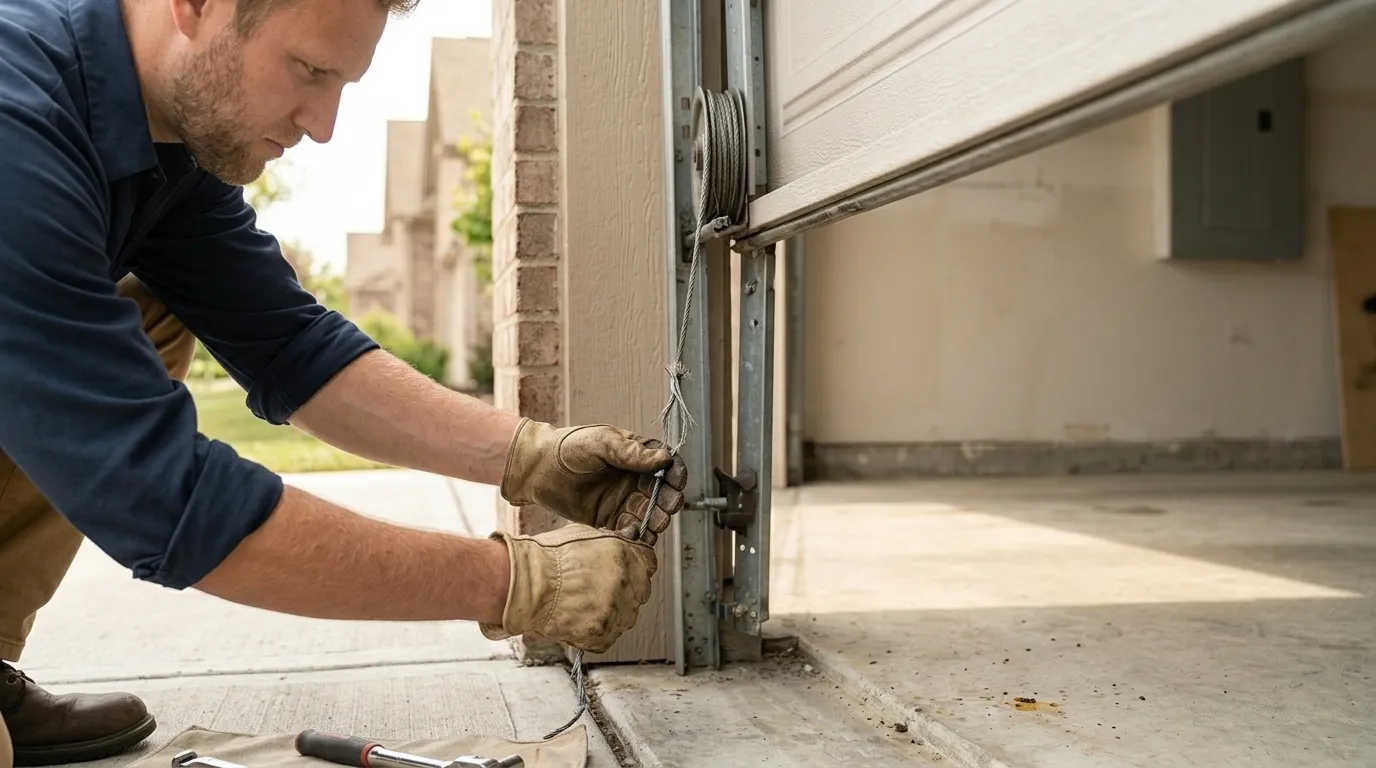
The mistake we see most is treating a cold-morning break as a one-off weather event instead of what it usually is: a spring that was already near end of life from heat cycling, on a house built in that 1979-2007 window. Homeowners replace the one spring that broke, figure the cold caused it, and don't look at the second spring on the same torsion bar - which was installed the same year, cycled the same number of times, and baked through the same summers.
We won't tell you both springs always need replacing at once; if the second one is genuinely newer or was already swapped, leave it. But on a matched pair from the original build, replacing only the one that snapped just means a second service call, usually within a year or two, often on another cold morning.