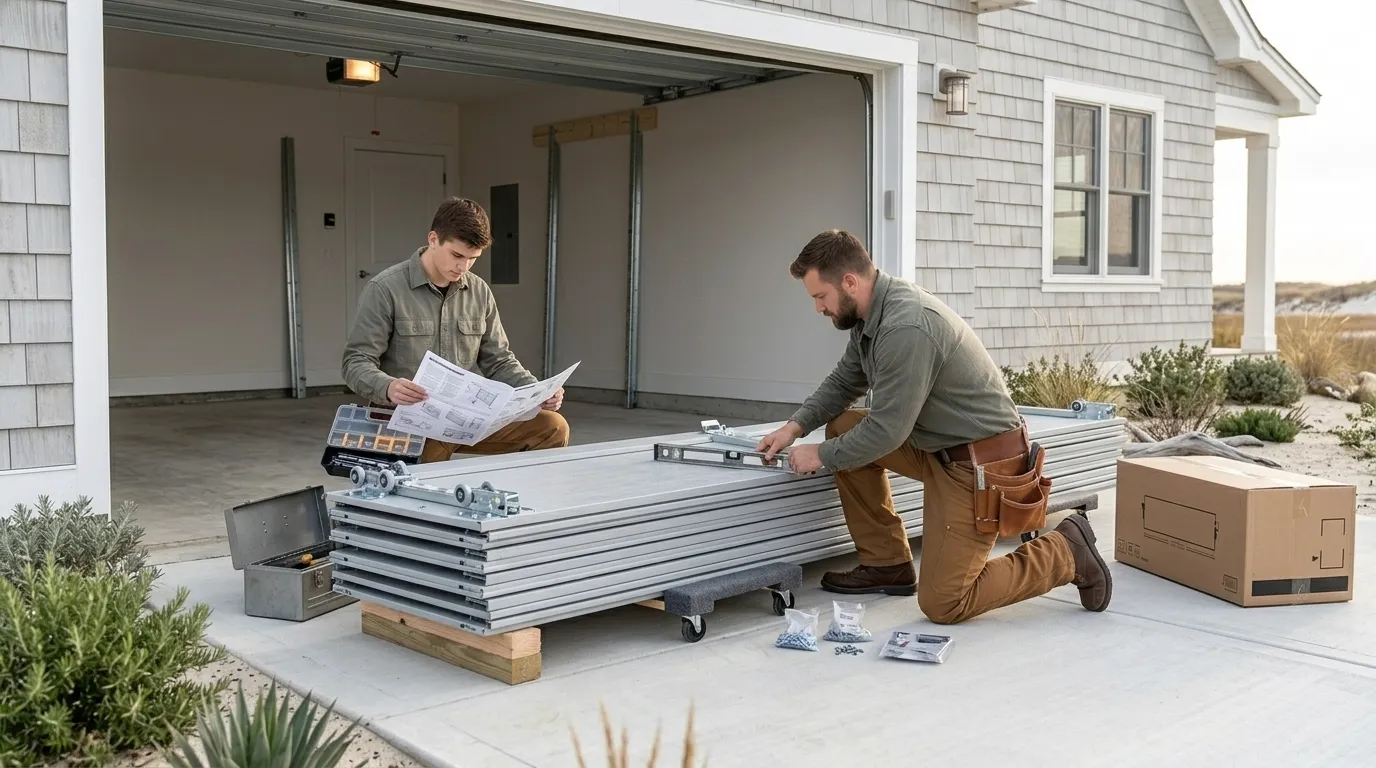
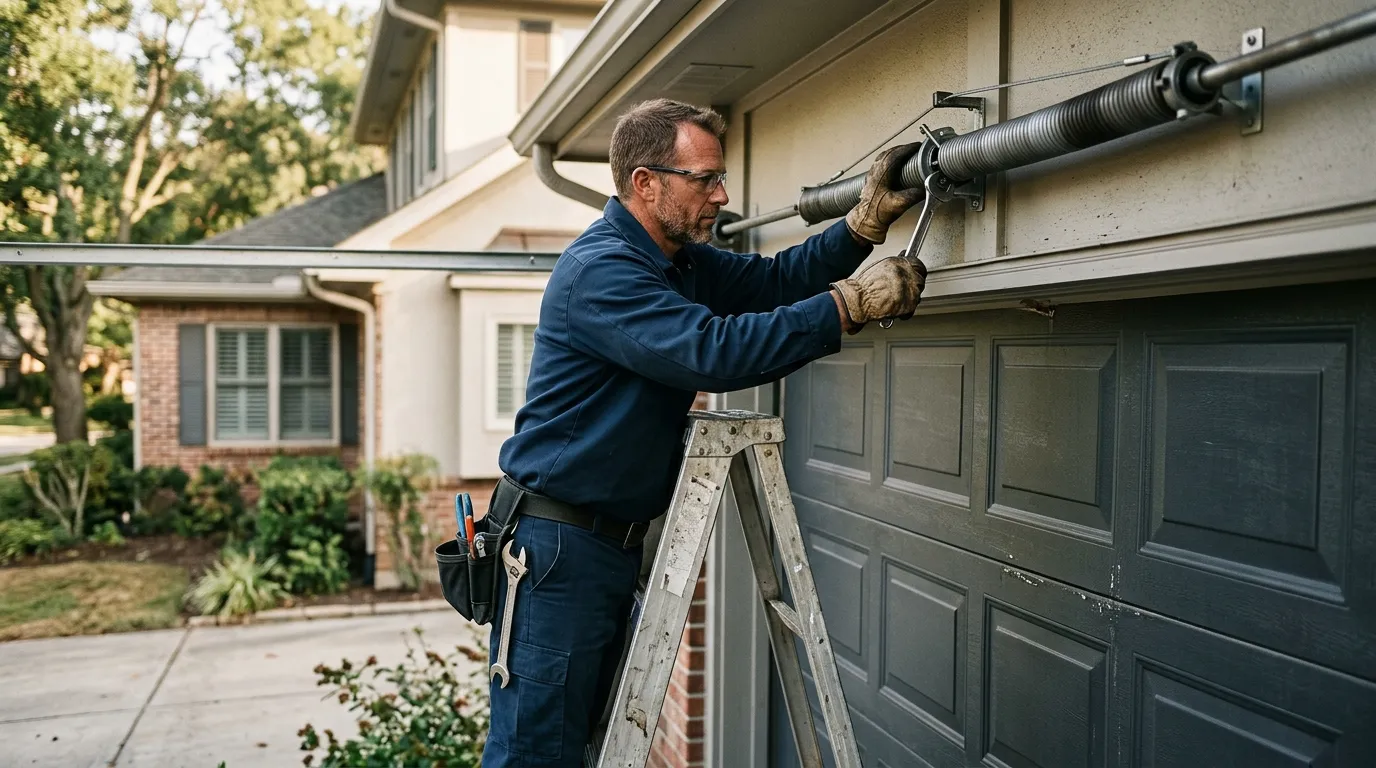
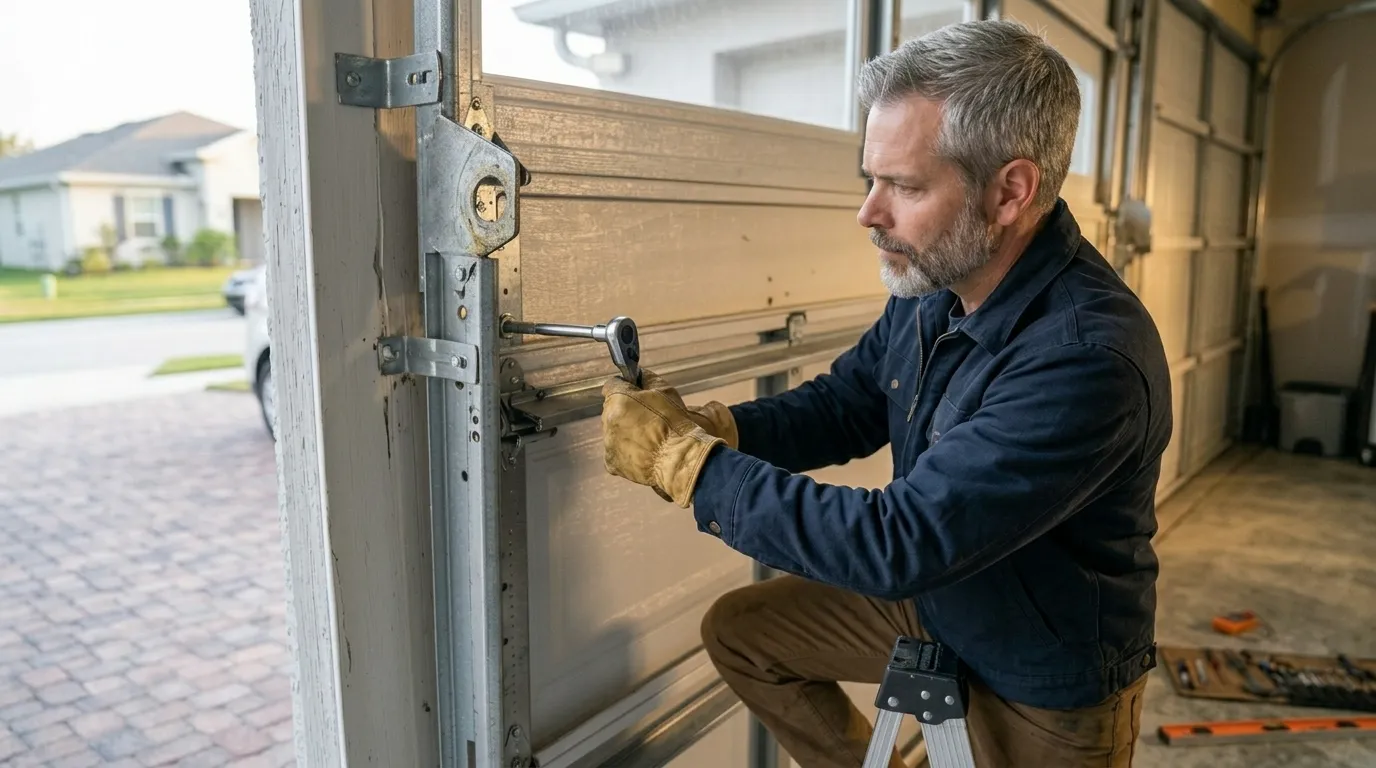
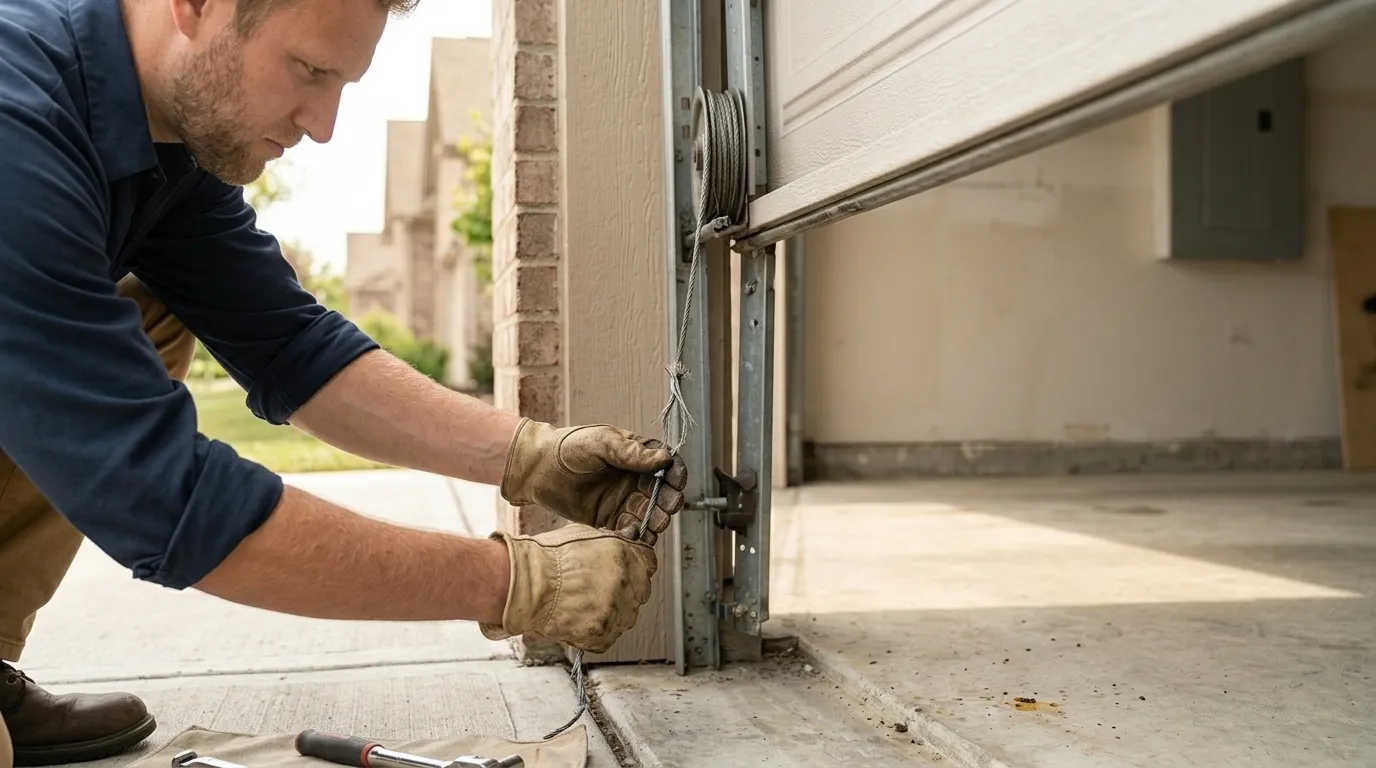
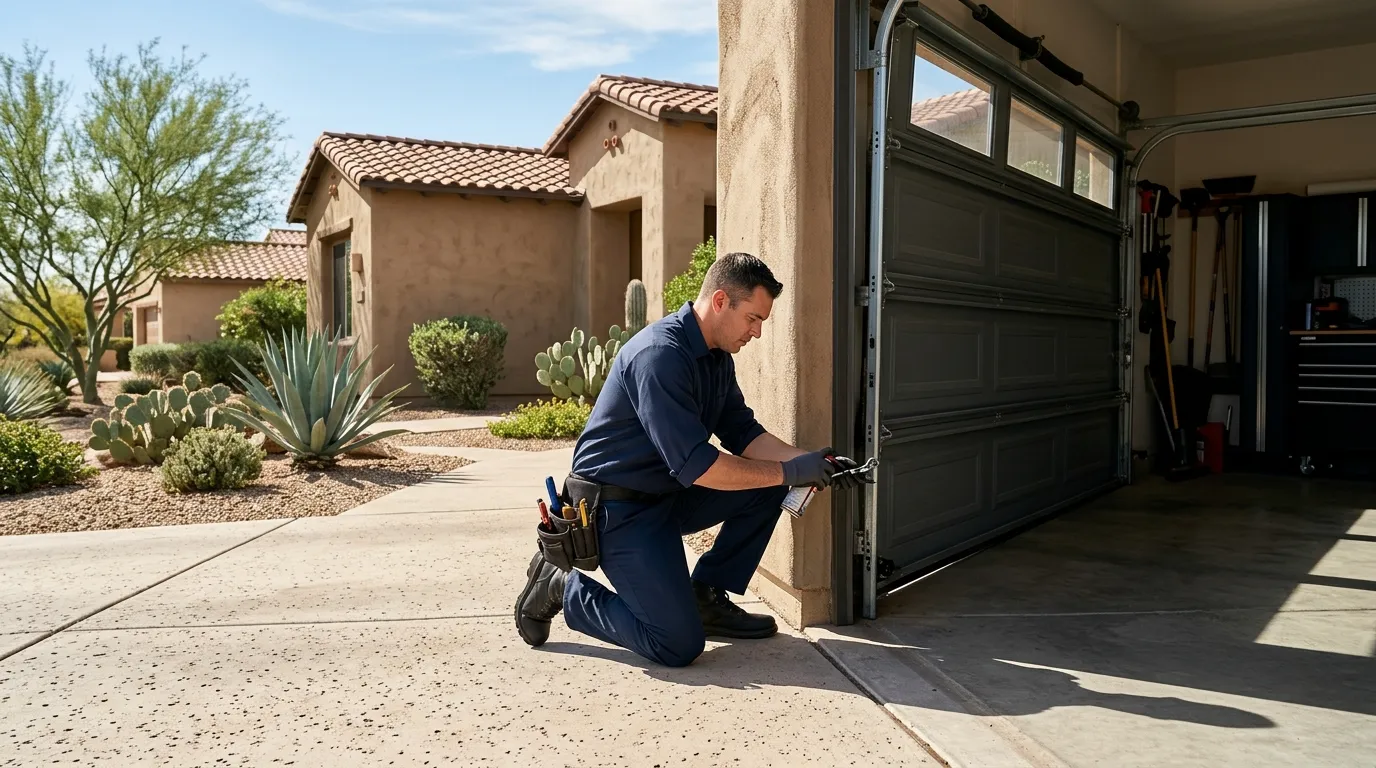
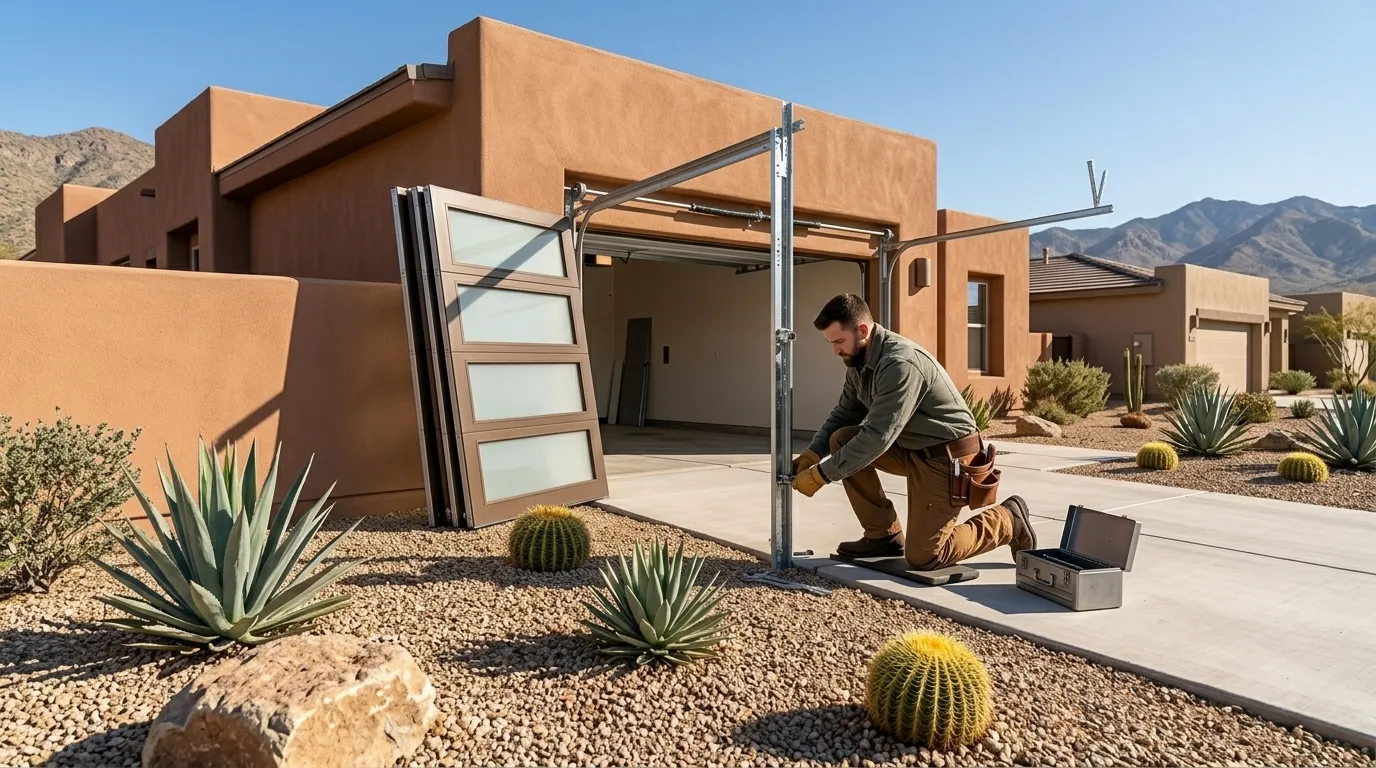
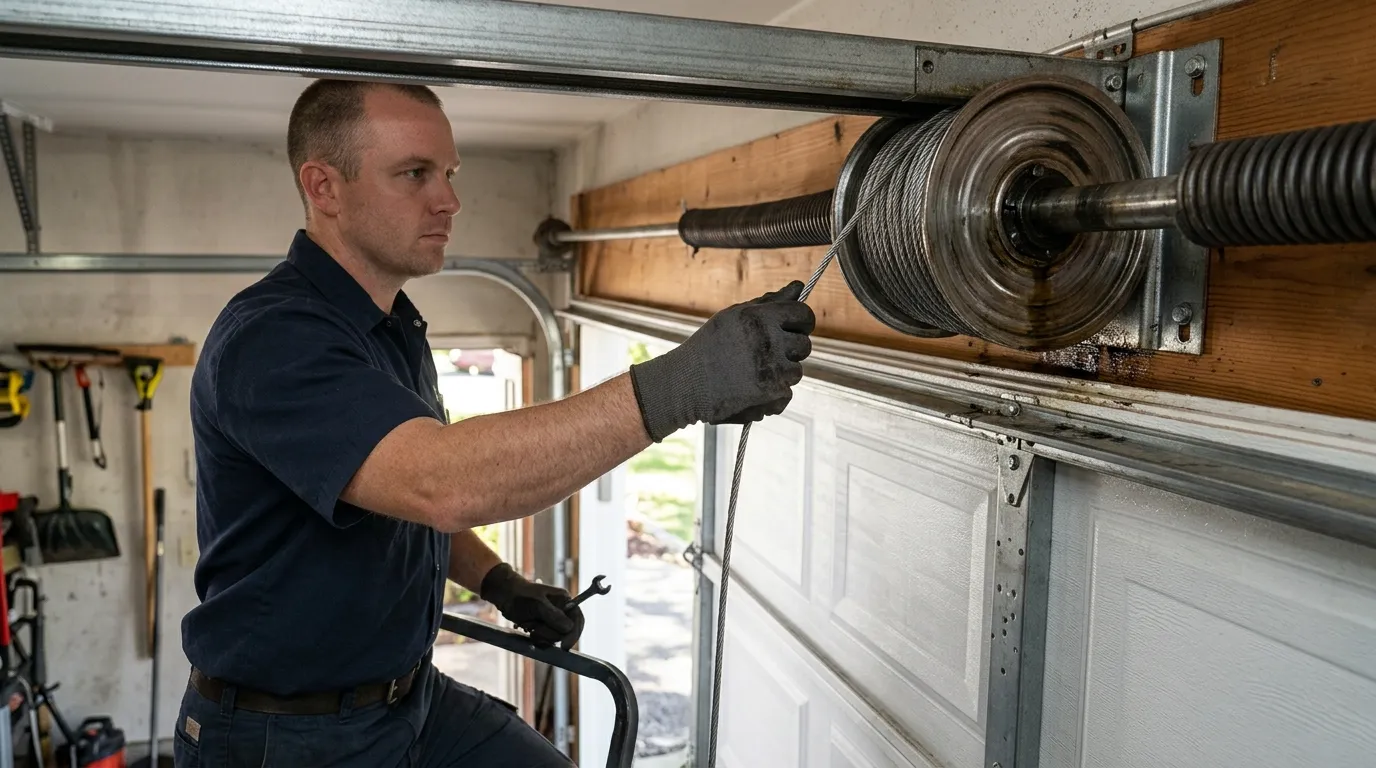
New garage door installation for Phoenix homes built 1979-2007, sized for our severe heat and the steel and insulation choices that actually hold up here.
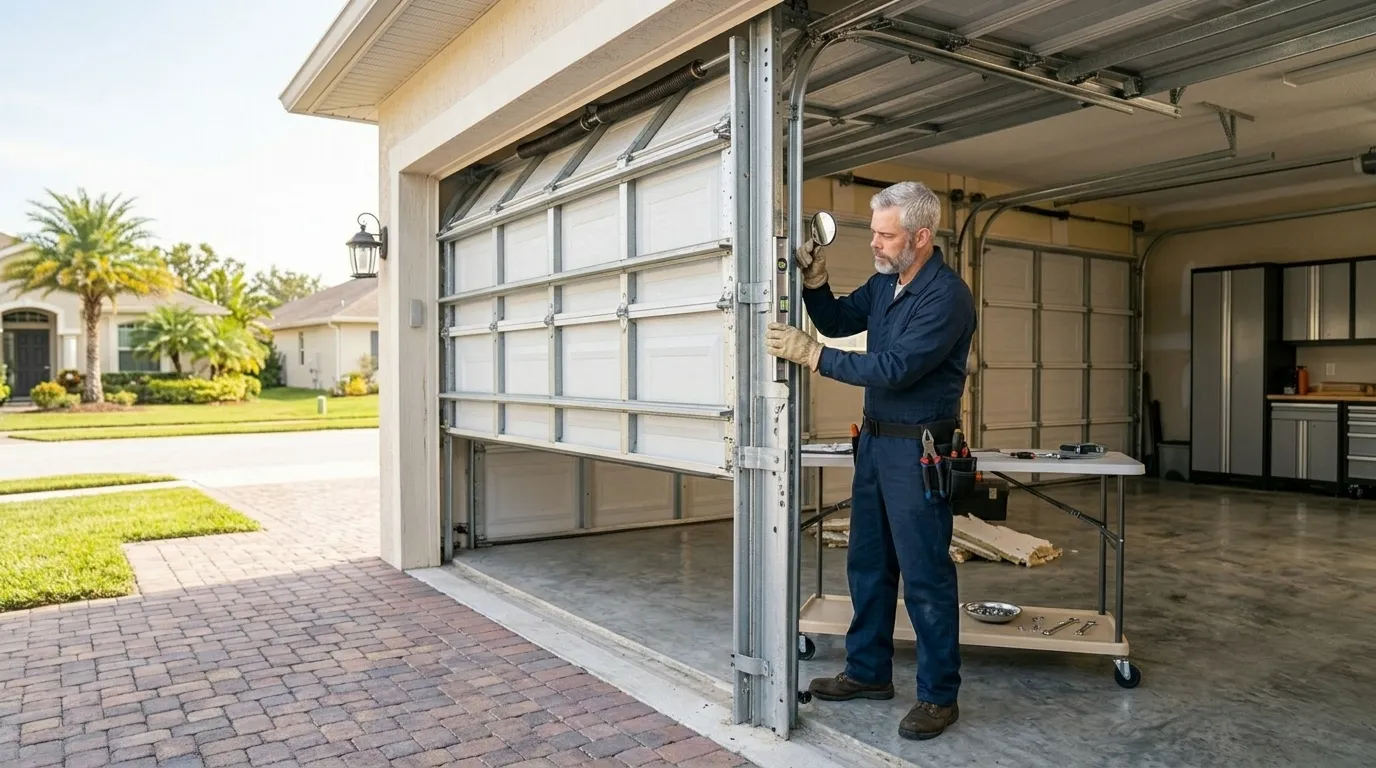
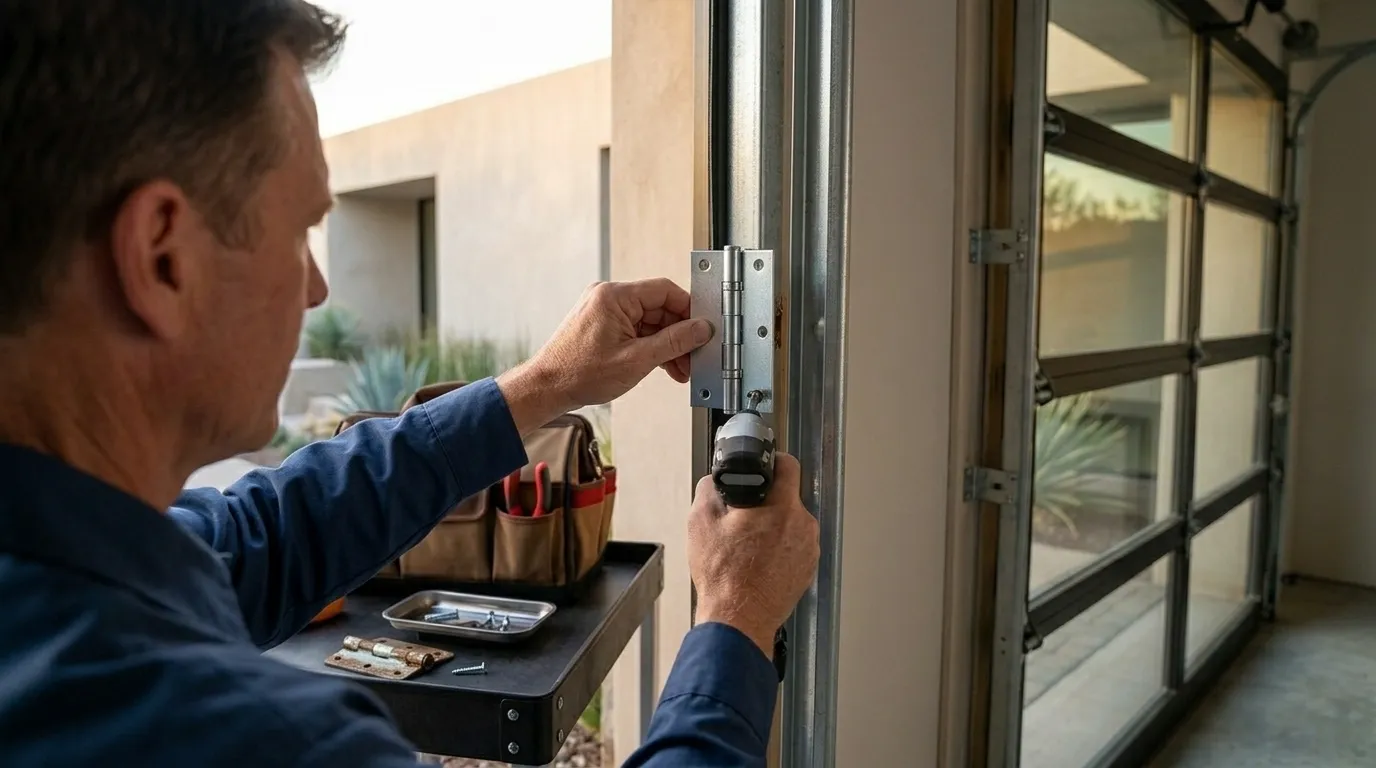
We aren't going to throw a number at you here that means nothing until someone's looked at your opening. What drives the cost on a Phoenix install is usually three things: the door material, whether it's insulated, and what your current track and header look like once the old door comes down. A lot of homes in this service area - across places like and Midtown - still have single-layer steel doors from when the house was built, and swapping to an insulated door often means new jamb brackets too, not just a panel swap. Track and opener condition matters as much as the door itself; if the opener is original to a house built in the early 2000s, it's usually due regardless of what door you pick. We'll walk the opening with you, tell you what's actually needed, and give you a number before anything gets ordered. One honest limitation: we don't quote sight unseen over the phone, because in this climate the header and track wear varies a lot house to house and a guess isn't worth much to either of us.
How Long It Takes
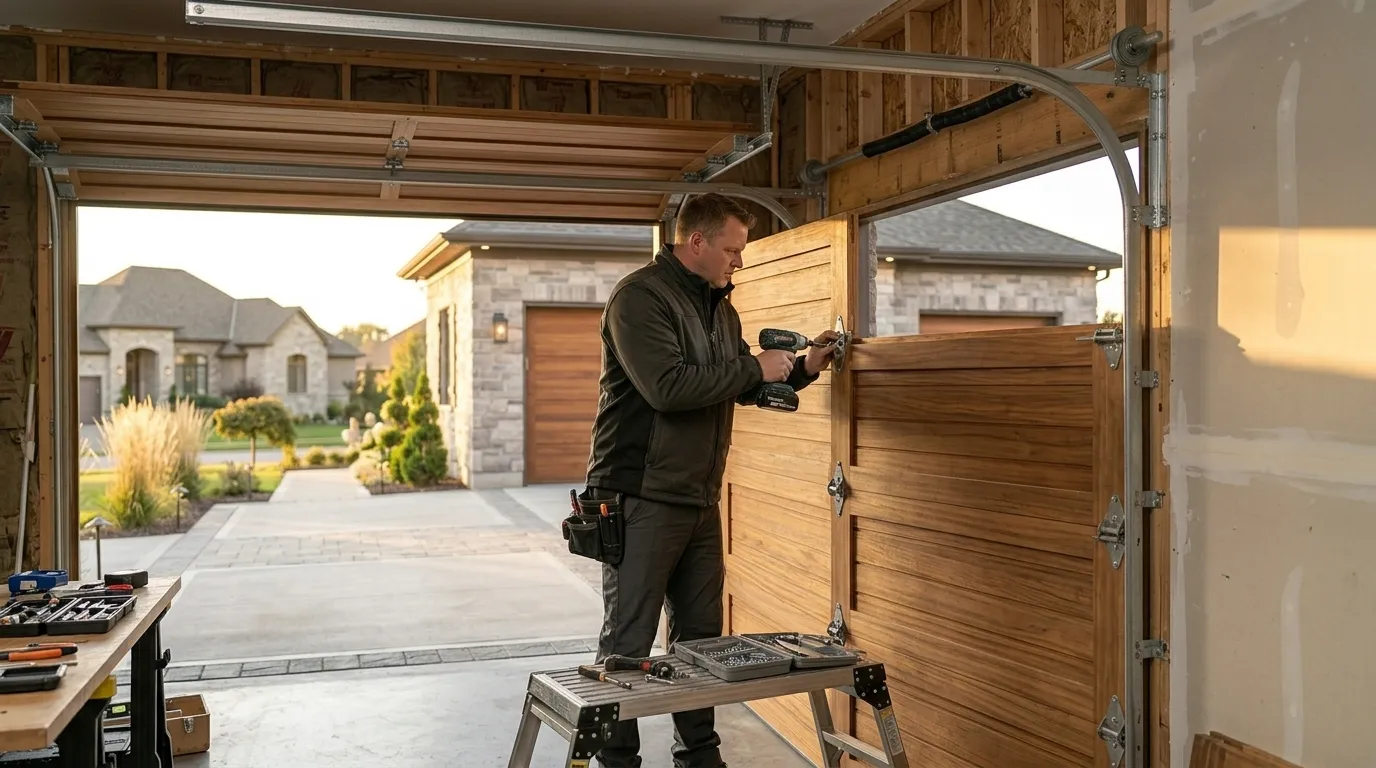
Most straightforward installs - same-size opening, standard steel or insulated door, existing track in decent shape - go in over the course of a single day once the door is on site. Where it stretches out is the ordering window: doors get built to your opening's measurements, and if you're moving from a single-layer to an insulated door, or changing panel style, that's a factory lead time before our truck ever shows up. If the header needs framing work because the old install wasn't square - which we see more than you'd think in the 1979-2007 stock across this area - plan on that adding time to the day, not the calendar. We'll give you a real install date once the door's confirmed ordered, not a range that moves on you.
What You Are Seeing
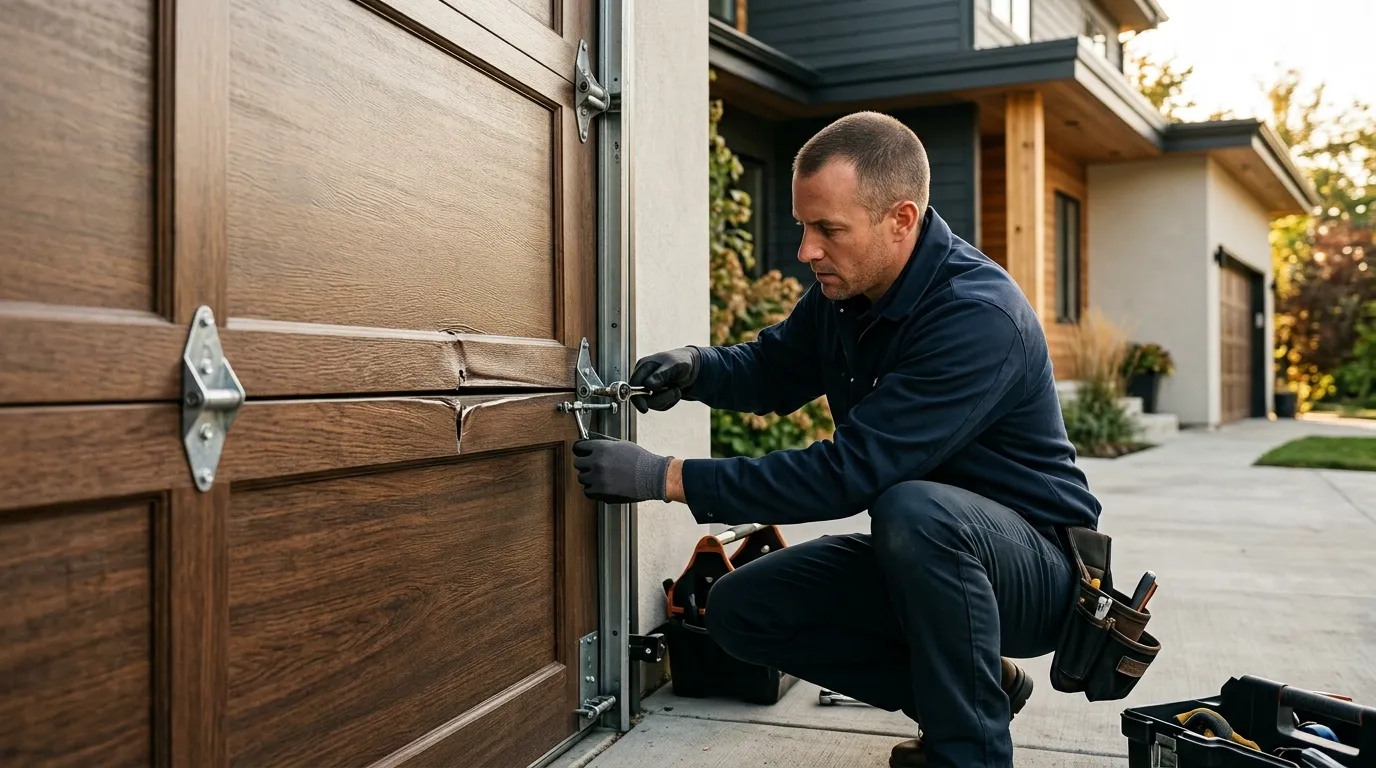
If you're on this page, you're probably looking at a door that's warped along the bottom panel, an opener straining to lift a door that's gotten heavier with age, or a steel skin that's started to oil-can and dent from years of sun load. In a lot of the houses across this service area - homes built between 1979 and 2007, median right around 2001 - the original door is a single-layer steel slab with no insulation layer behind it. Over two decades of Phoenix summers, that steel expands and contracts every single day, and the panels eventually stop sitting flat. You'll also see this on doors that were never insulated to begin with: the garage runs 15-20 degrees hotter than outside in summer, which stresses the springs, the opener gears, and the weatherstrip faster than a shaded, insulated door ever would. If your door is original to a 2000s-era build and it's making noise, sagging, or the opener struggles on the up-cycle, replacement is usually the honest answer over another repair.
What Causes It Around Here
Phoenix sits in a severe heat band, and that's the single biggest reason garage doors here fail differently than they do in milder climates. Most of the housing in our service area - 40,039 owner-occupied houses out of 51,258 households - was built between 1979 and 2007, with the bulk of that stock dating to the 2000s across the nine named areas we cover. Doors from that era were commonly installed as bare steel without a foam core, because insulation wasn't the default spec back then. Decades of direct sun exposure, especially on south- and west-facing garages, heat-cycles the steel daily: it expands in afternoon sun and contracts overnight, which is exactly the stress that causes oil-canning, seal failure, and spring fatigue over time. An insulated door with a steel or composite skin handles that cycle far better, which is why most of our installs in this area are upgrades from the original slab, not repairs to it.
How it works
From “it’s stuck” to “it’s fixed”
01
Tell us what’s wrong
Describe the symptom - won’t open, loud bang, opener runs but the door won’t move.
02
On-site diagnosis
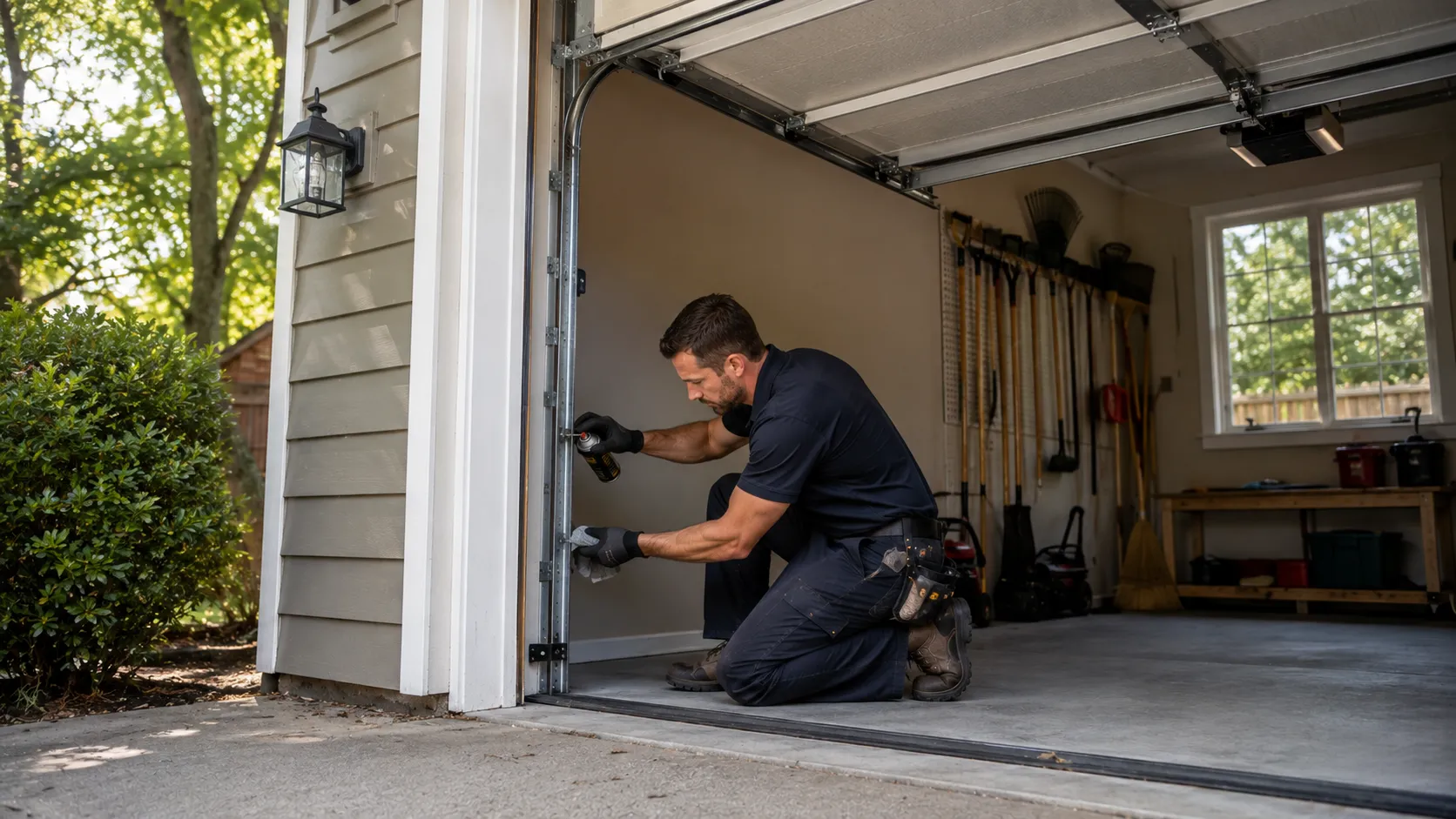
A technician tests the door under power and by hand and finds what actually failed.
03
Clear, up-front plan
You get the fix that’s needed and what drives the cost - before any work starts.
04
Repaired & tested
The repair is done, the door is set true and tested, and the work area left clean.
Serving Phoenix, AZ - tell us what your door’s doing and we’ll take it from there.
You don't need one by code, but given how much heat cycling a bare steel door takes on here, insulated doors hold their shape and their seals longer. If your garage shares a wall with living space, it also cuts down on heat transfer into the house, which matters in a severe heat climate like ours.
Is my original door from when the house was built worth repairing?
If your house was built in the 1979-2007 window common across this area, the original door is likely a single-layer steel slab pushing two decades of sun exposure. At that point, springs, seals, and panel condition are usually all near end of life together, so replacement tends to make more financial sense than another repair call.
How do I know if my track or header needs work before a new door goes in?
We check this during the walkthrough before quoting. Homes in this service area sometimes have header framing that wasn't squared to current standards, and that shows up when we measure the opening for the new door, not before.
Ready to get your garage door sorted?
Tell us what it’s doing and where you are in Phoenix - we’ll take it from there.