


How That Shows Up in the Door
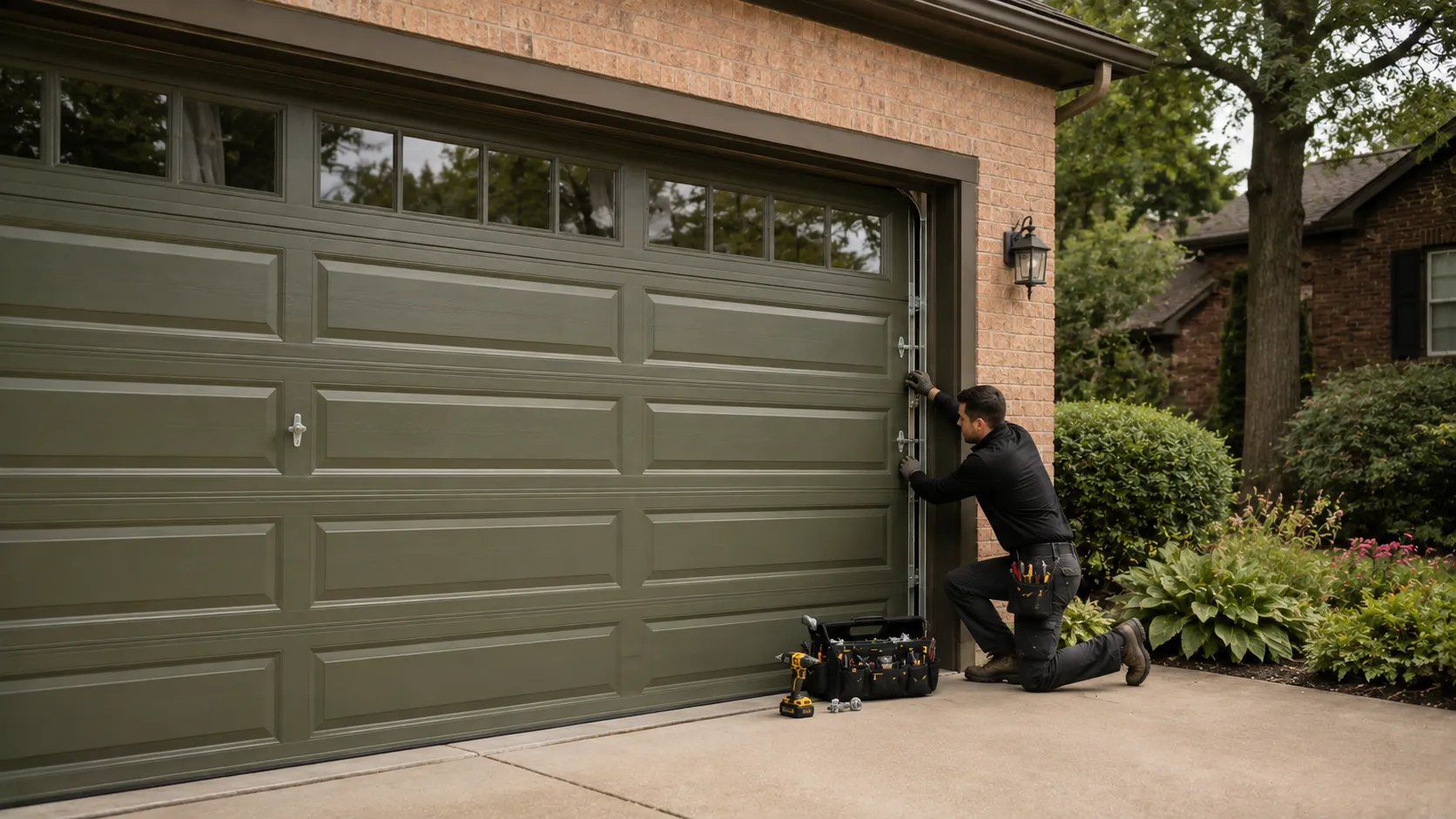
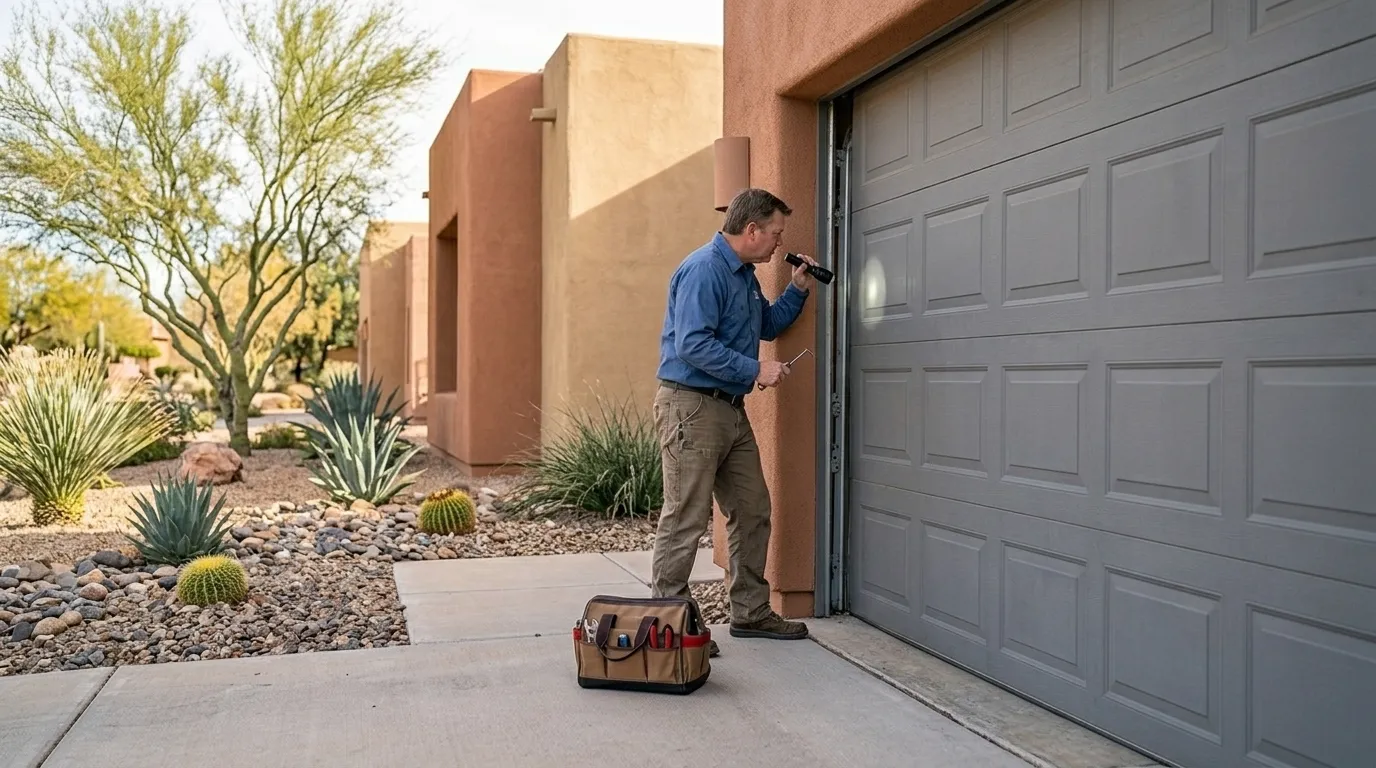
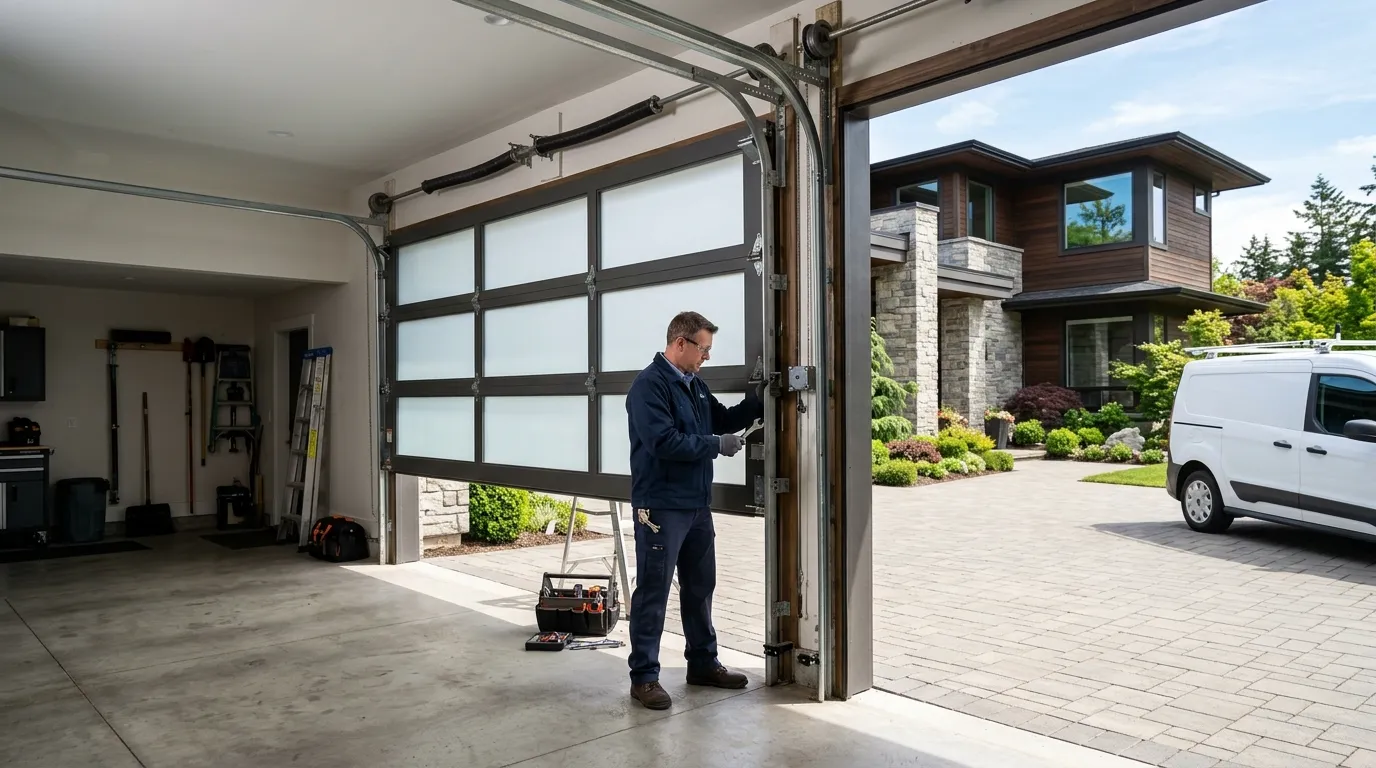
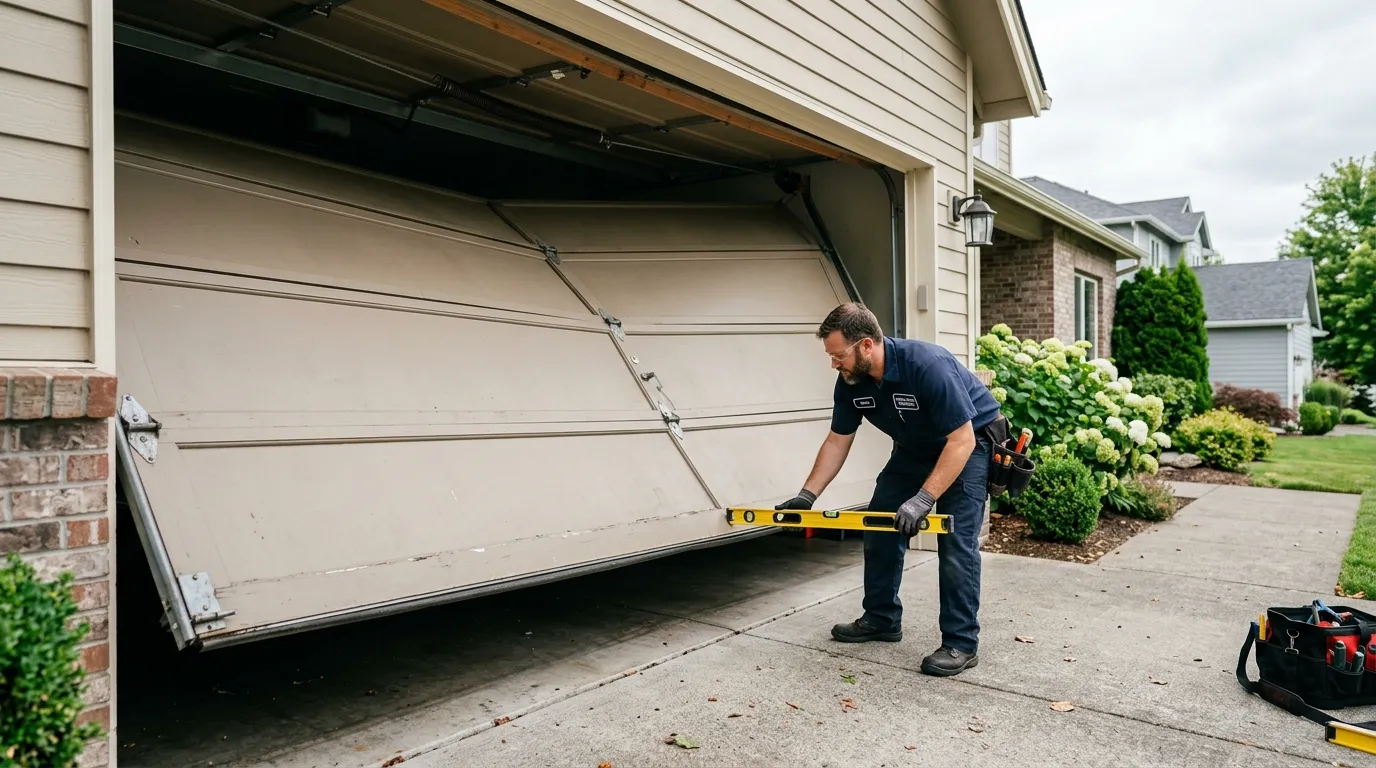
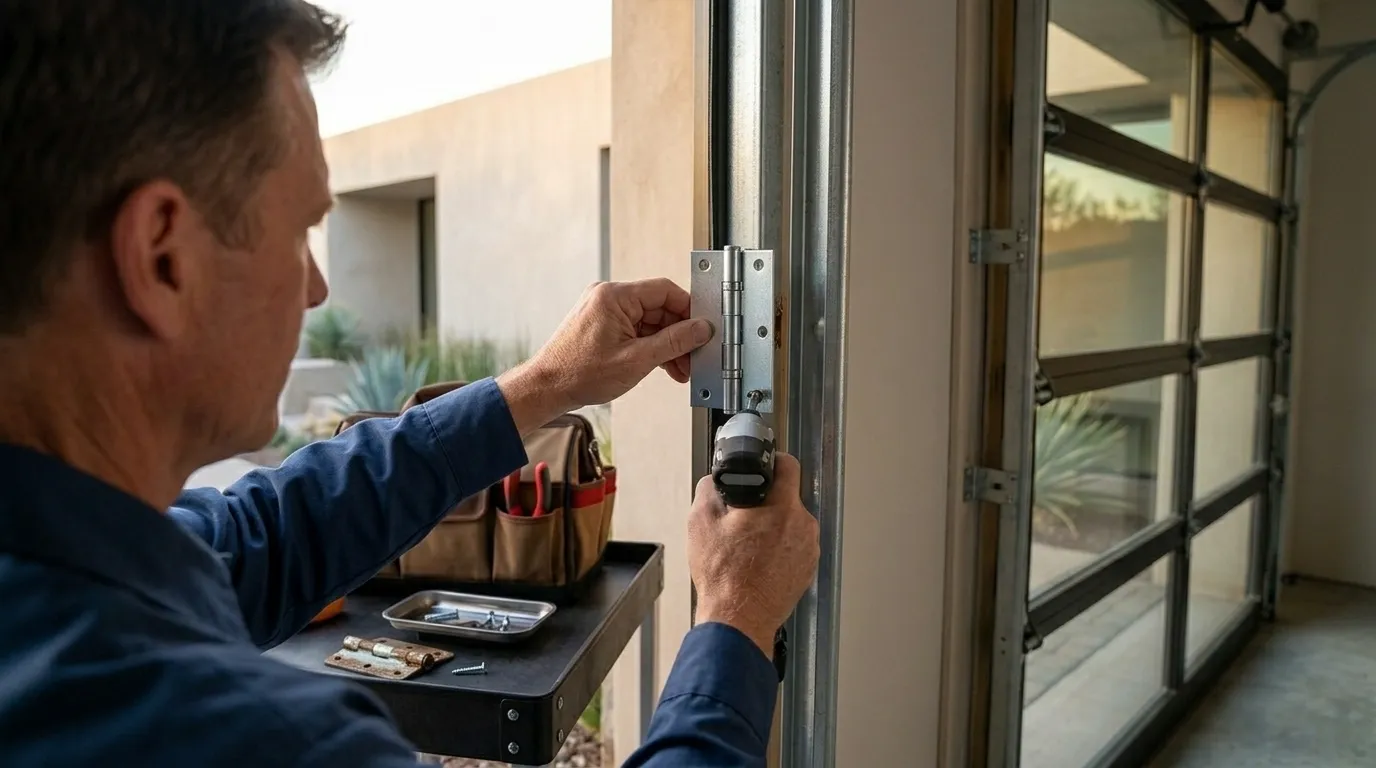
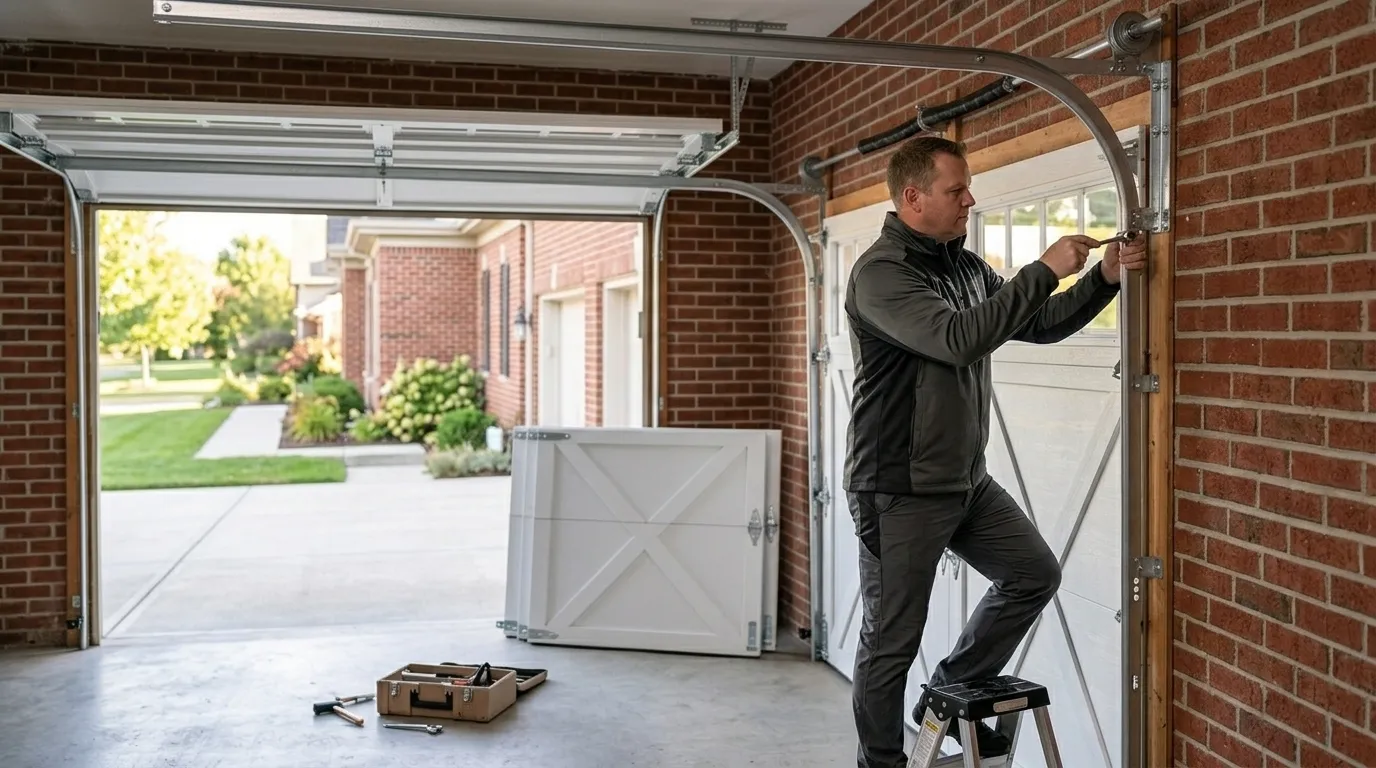
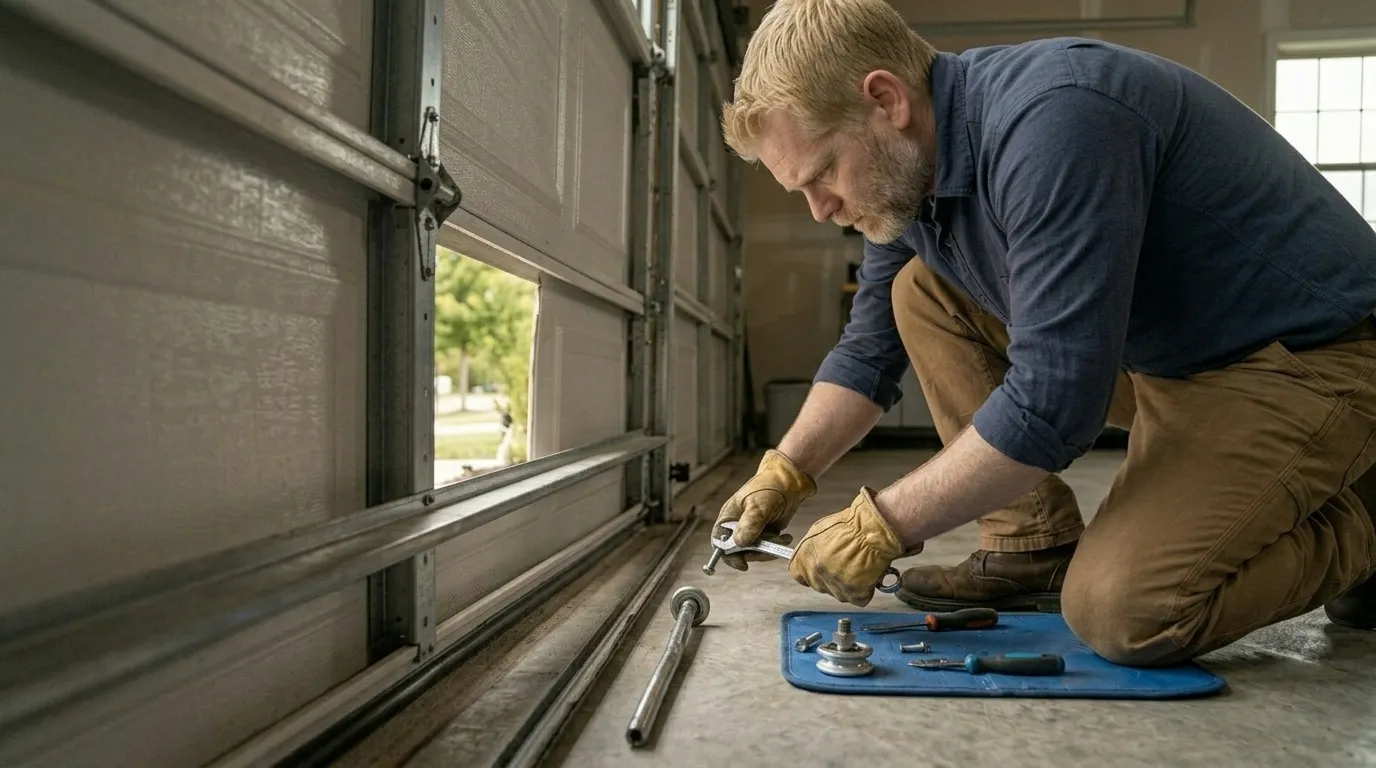
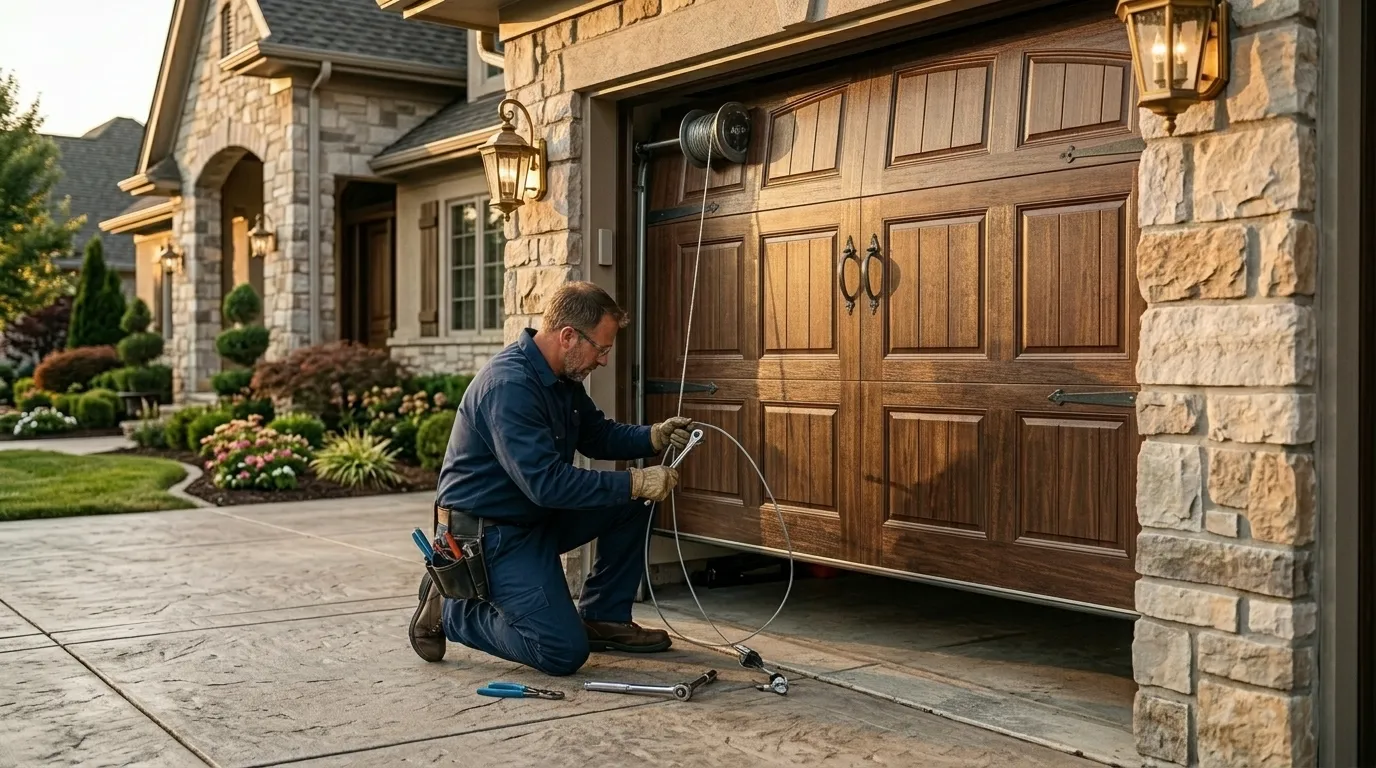
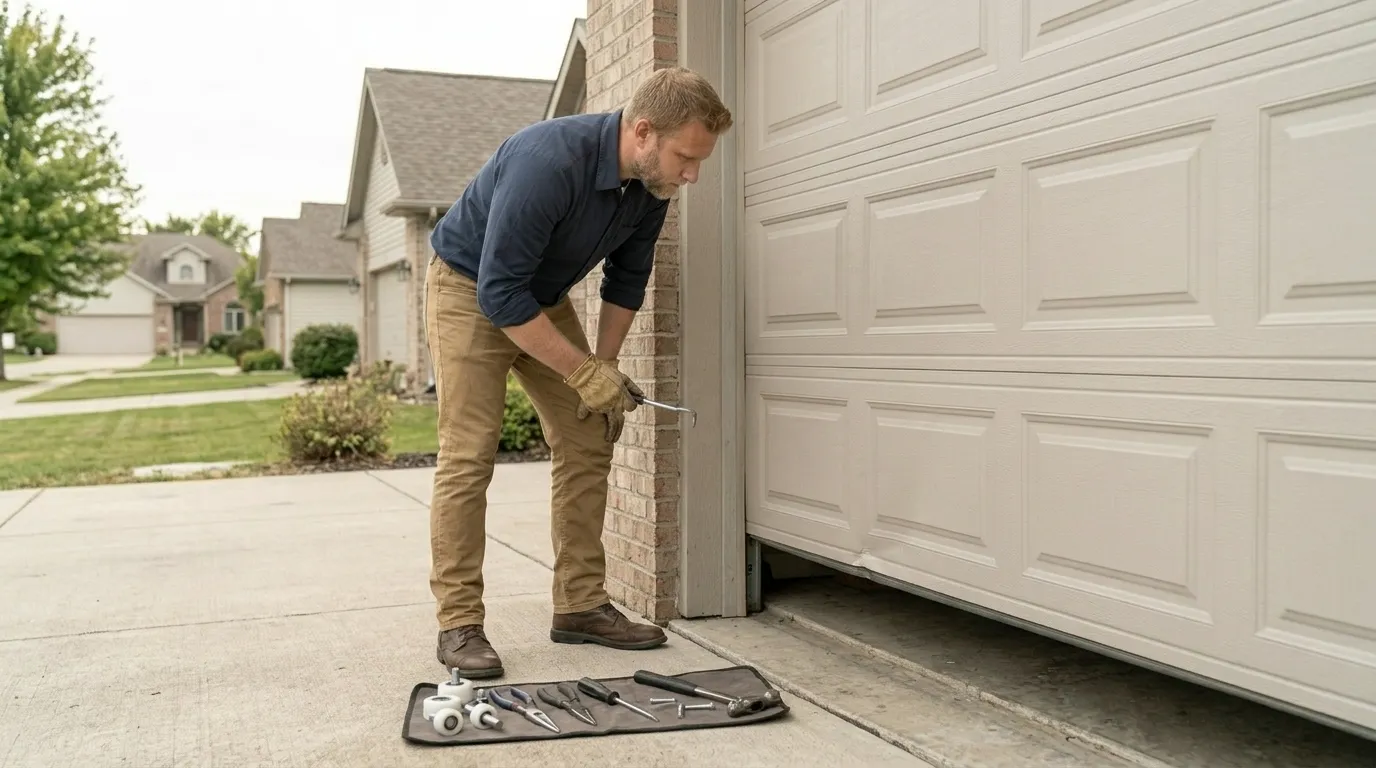
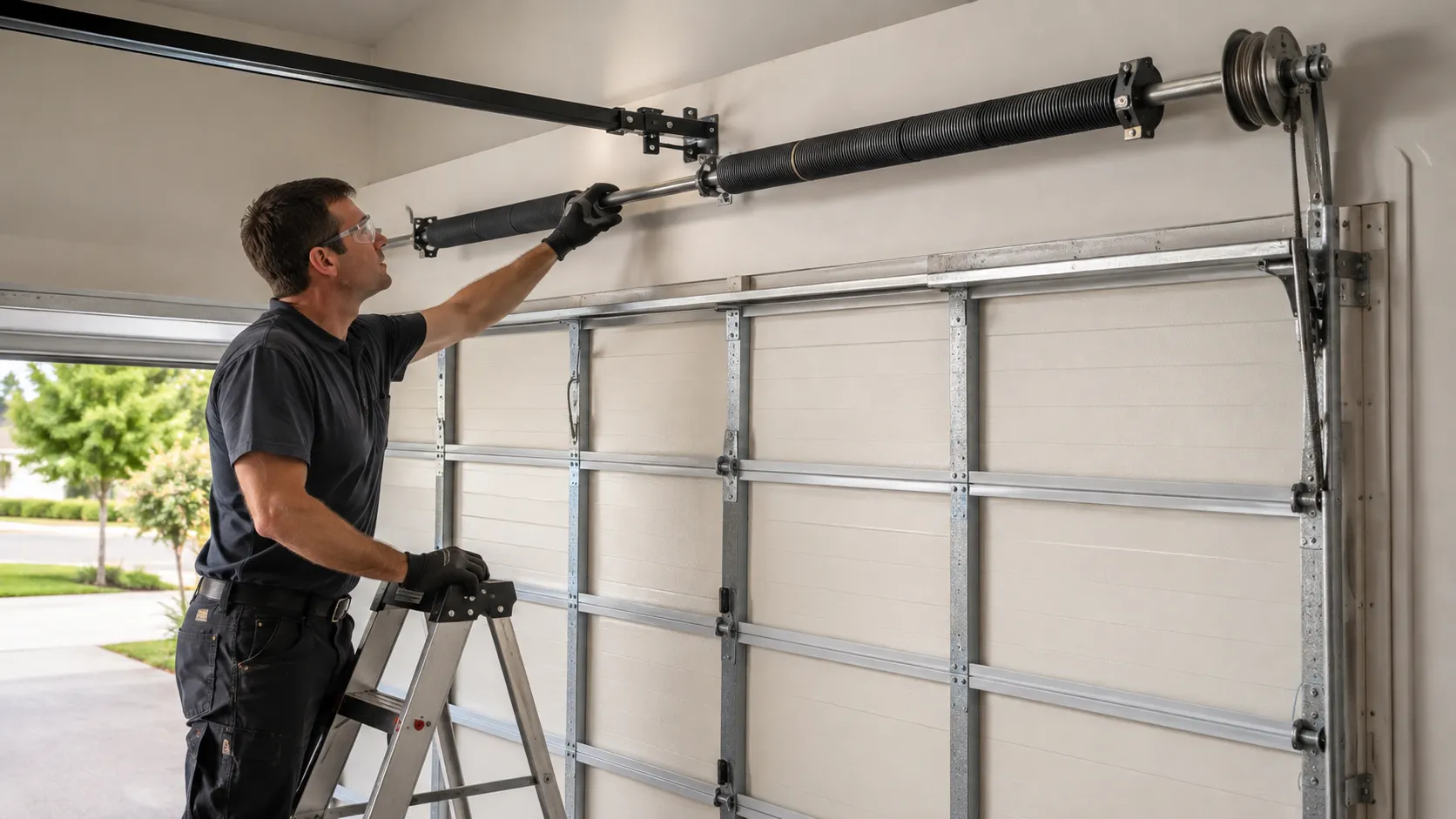
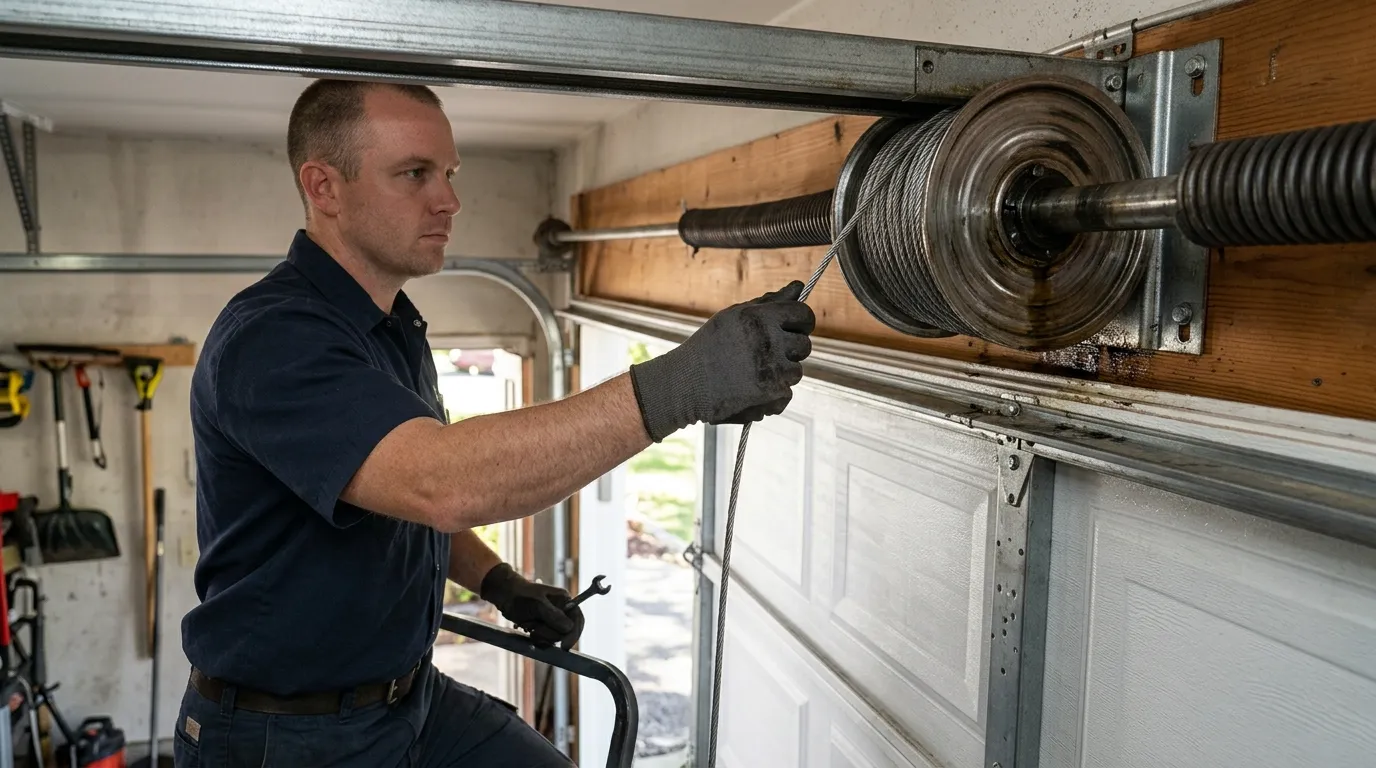
A door installed around 1997 usually means a torsion spring system, not the older extension springs mounted along the horizontal track that you still find on pre-1980 doors elsewhere in the region. That's good news for repair - torsion hardware is more standardized and parts are easier to source. What we do watch for out here is heat fatigue. Cave Creek sits in the same severe-heat band as the rest of the service area, and repeated summer expansion and winter contraction cycles on a 25-plus-year-old spring shortens its working life compared to the same spring in a milder climate. We also see nylon rollers that have gone brittle and cracked rather than worn smooth, and opener drive belts or chains that have stretched enough to cause a door that lurches instead of gliding. None of this is unique to any one house, but it's consistent enough across the 1990s-built stock here that we bring the same spring sizes and roller stock every time we head out this way.
The Houses Here
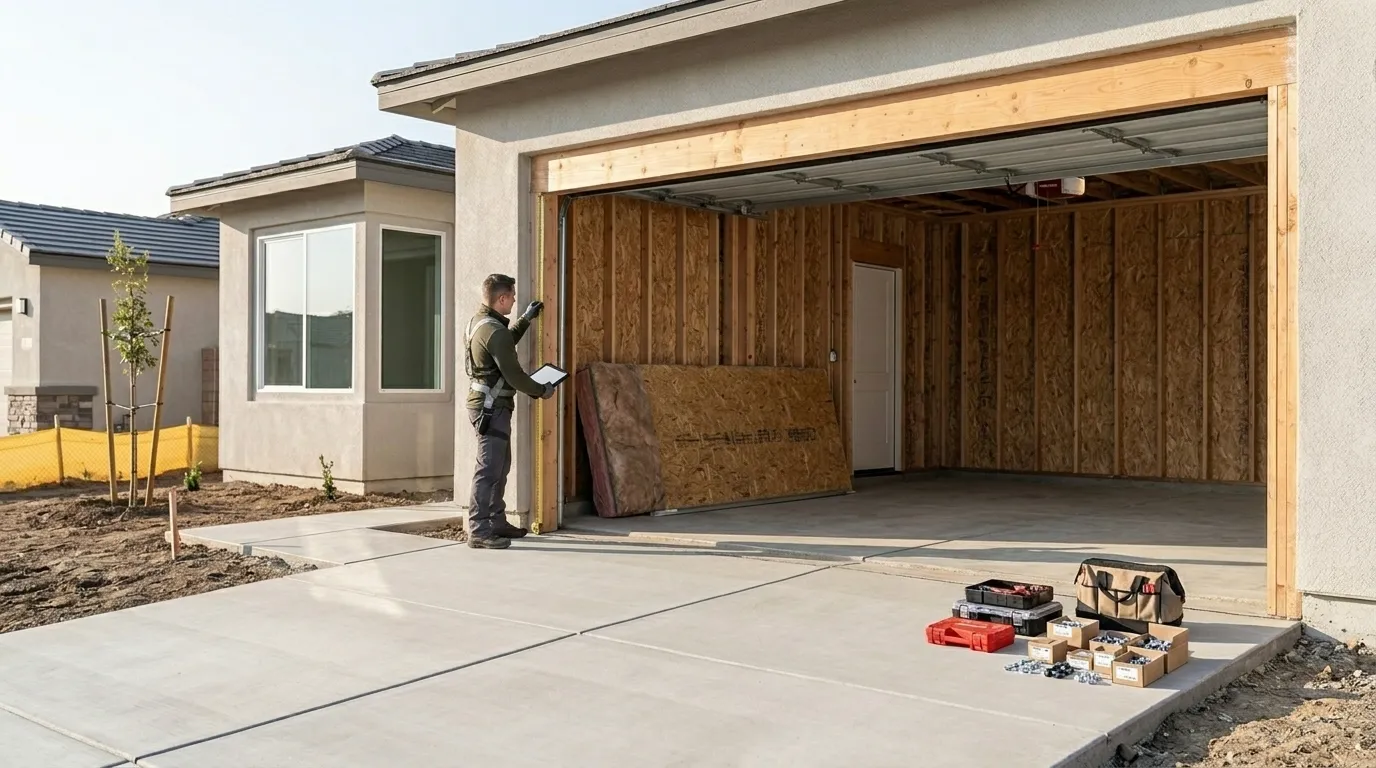
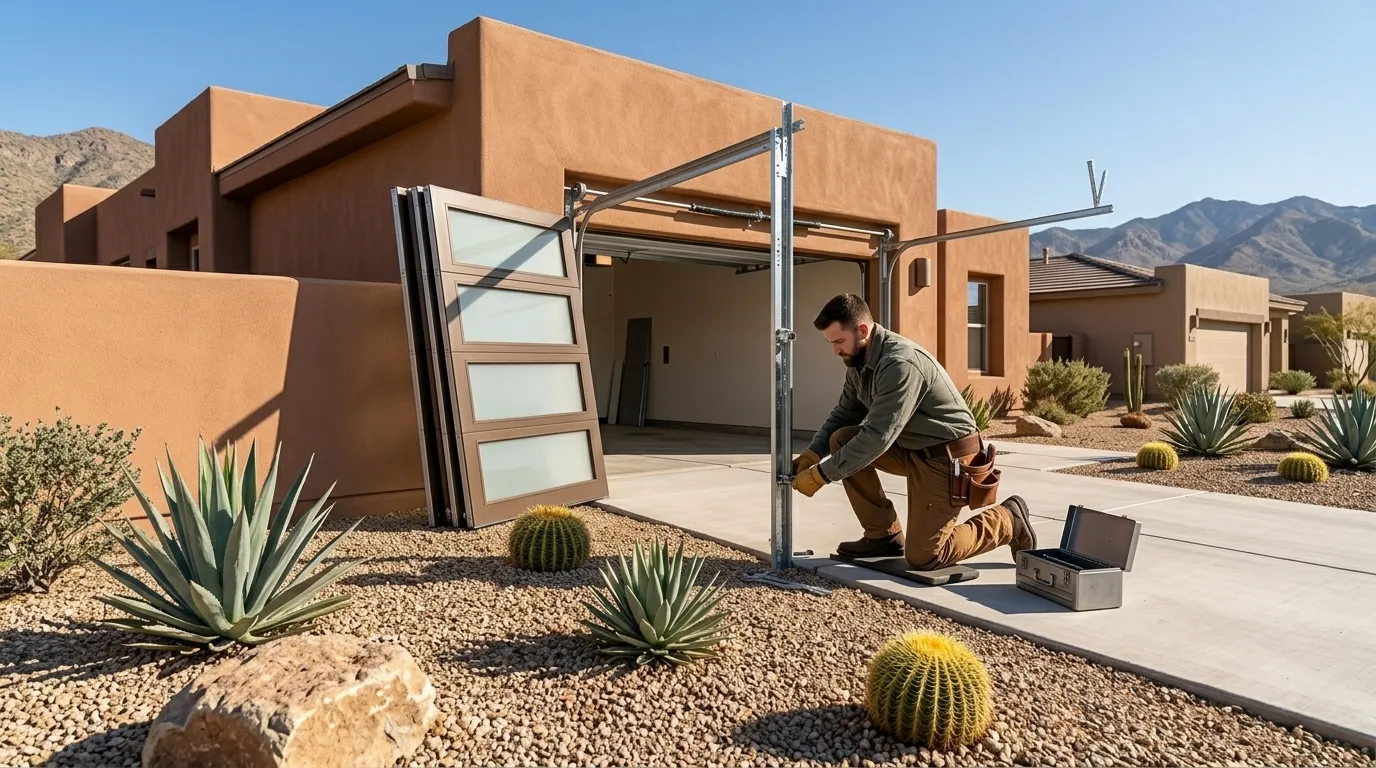
With roughly 2,321 households in Cave Creek, this is a smaller, more consistent pocket of building activity than the wider Phoenix area, where housing spans 1979 through 2007 across nine named sub-areas. That tighter build window around 1997 means less variation in door width, header clearance, and opener mounting than we see on a typical multi-decade route. It also means fewer surprises: we're not showing up to guess whether a house has an old extension-spring setup bolted to a wood header from the 1970s. What we do run into is the flip side of higher household income in this area - more doors that were upgraded once already, sometimes with openers or trim that don't match factory spec for the original door, which can complicate a straight parts swap. We'll tell you plainly when a mismatched setup means a full door and opener replacement makes more sense than patching one more part onto it.