How That Shows Up in the Door
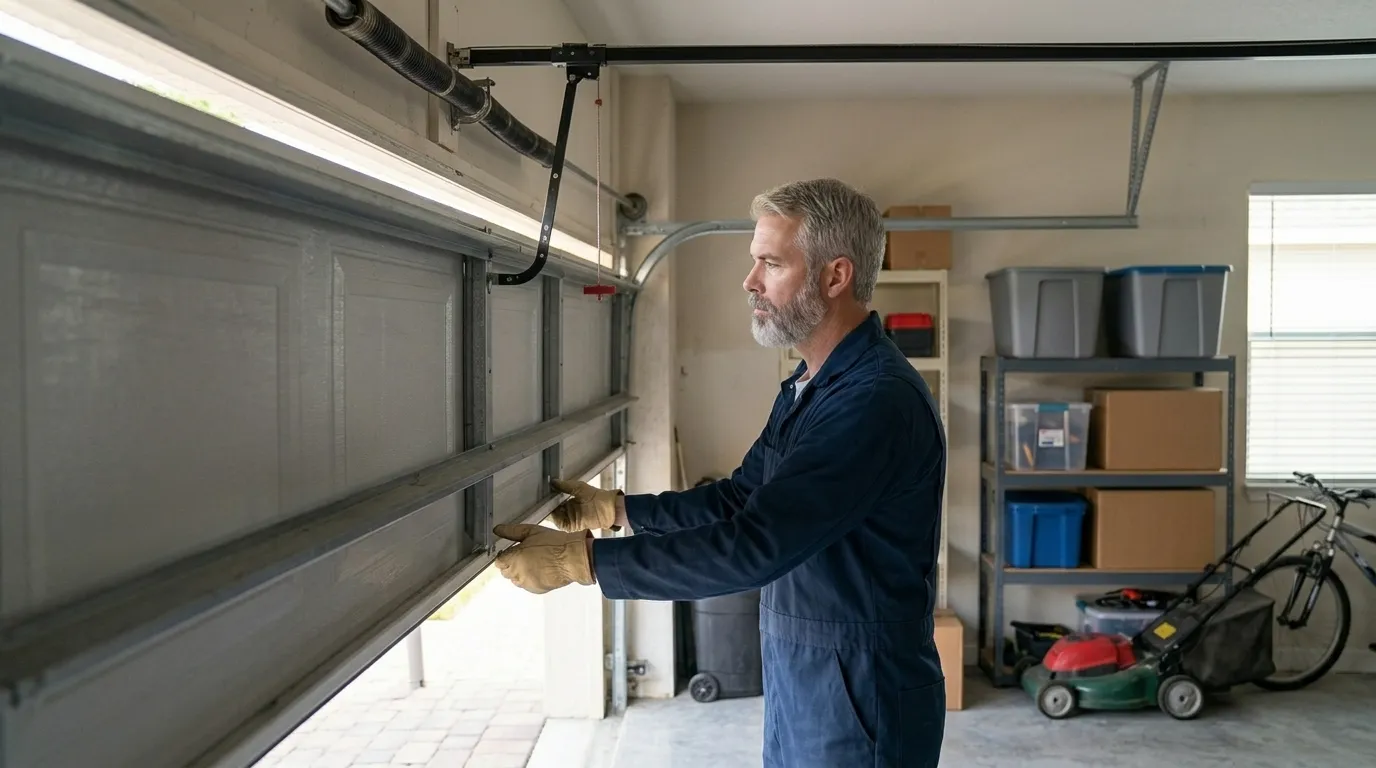
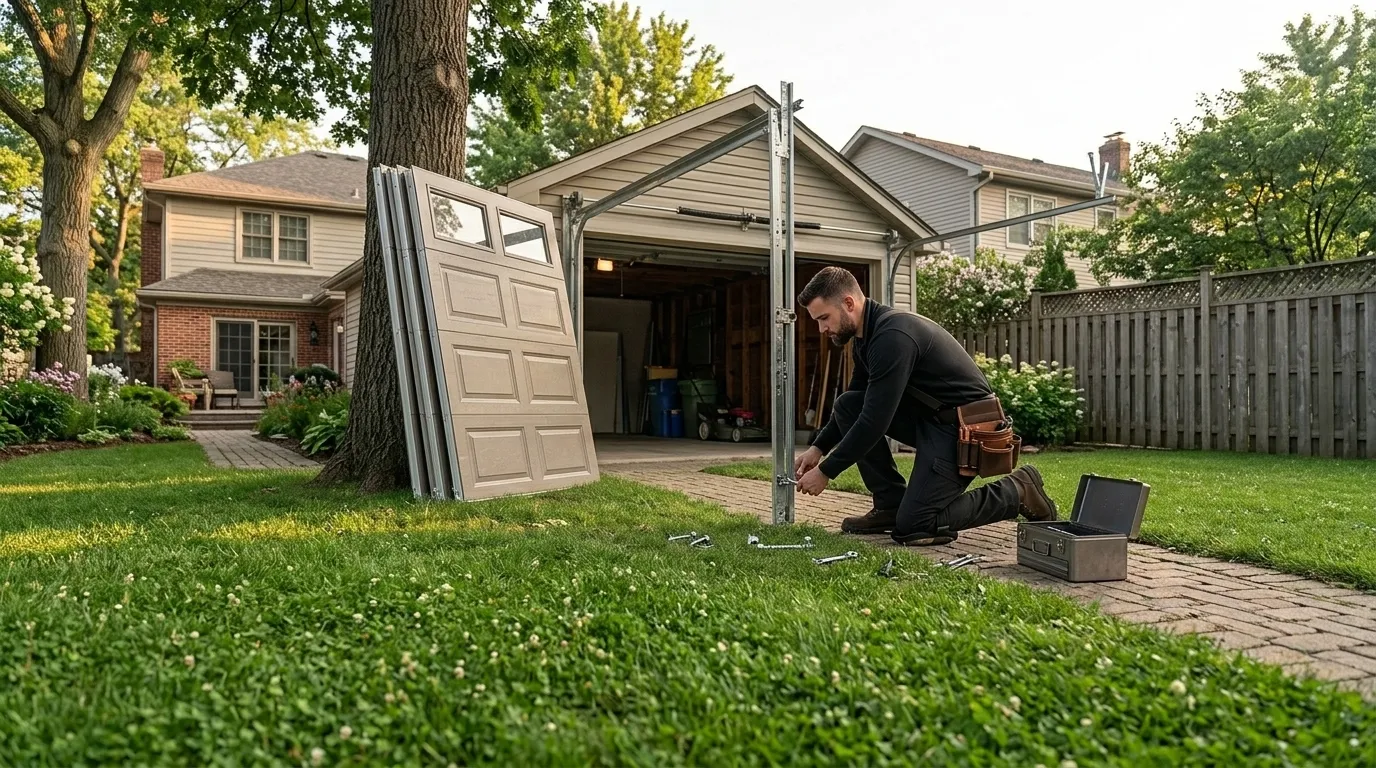
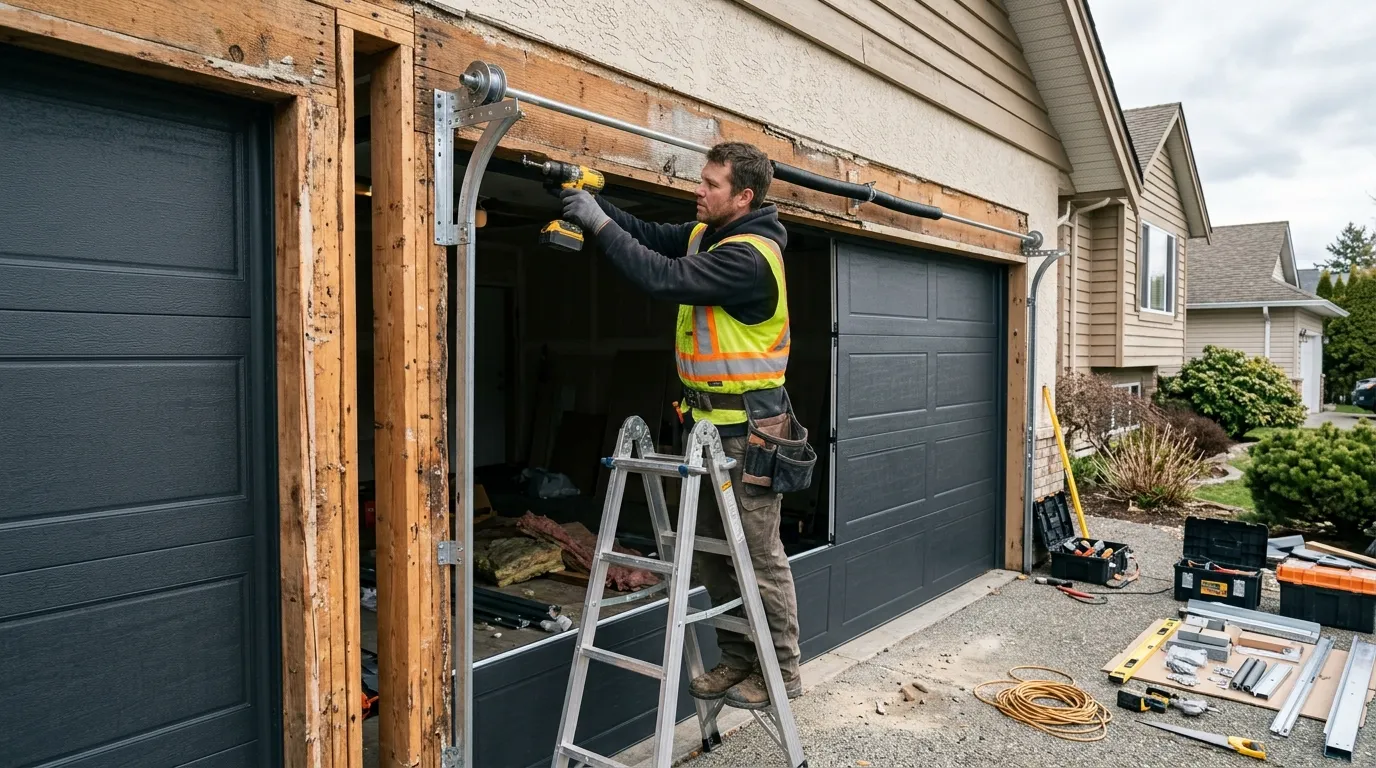
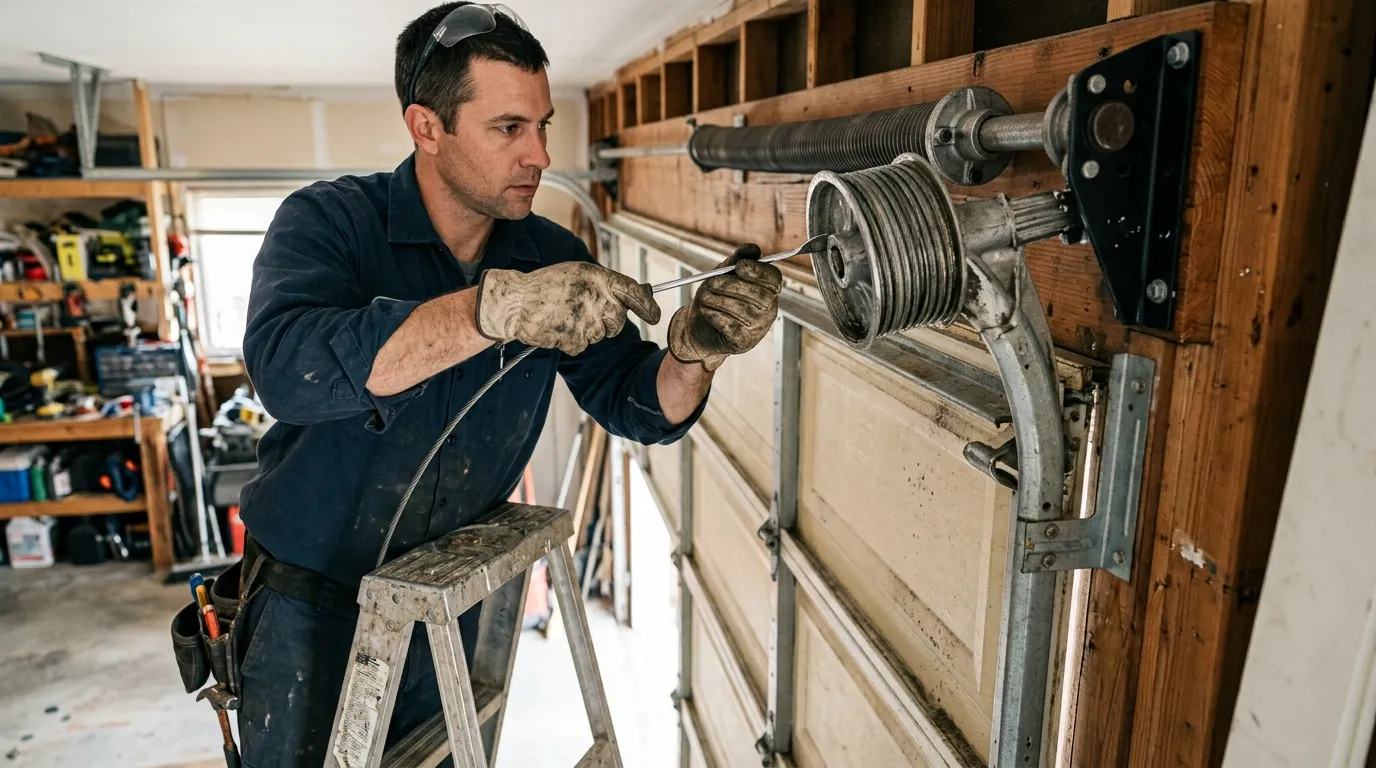
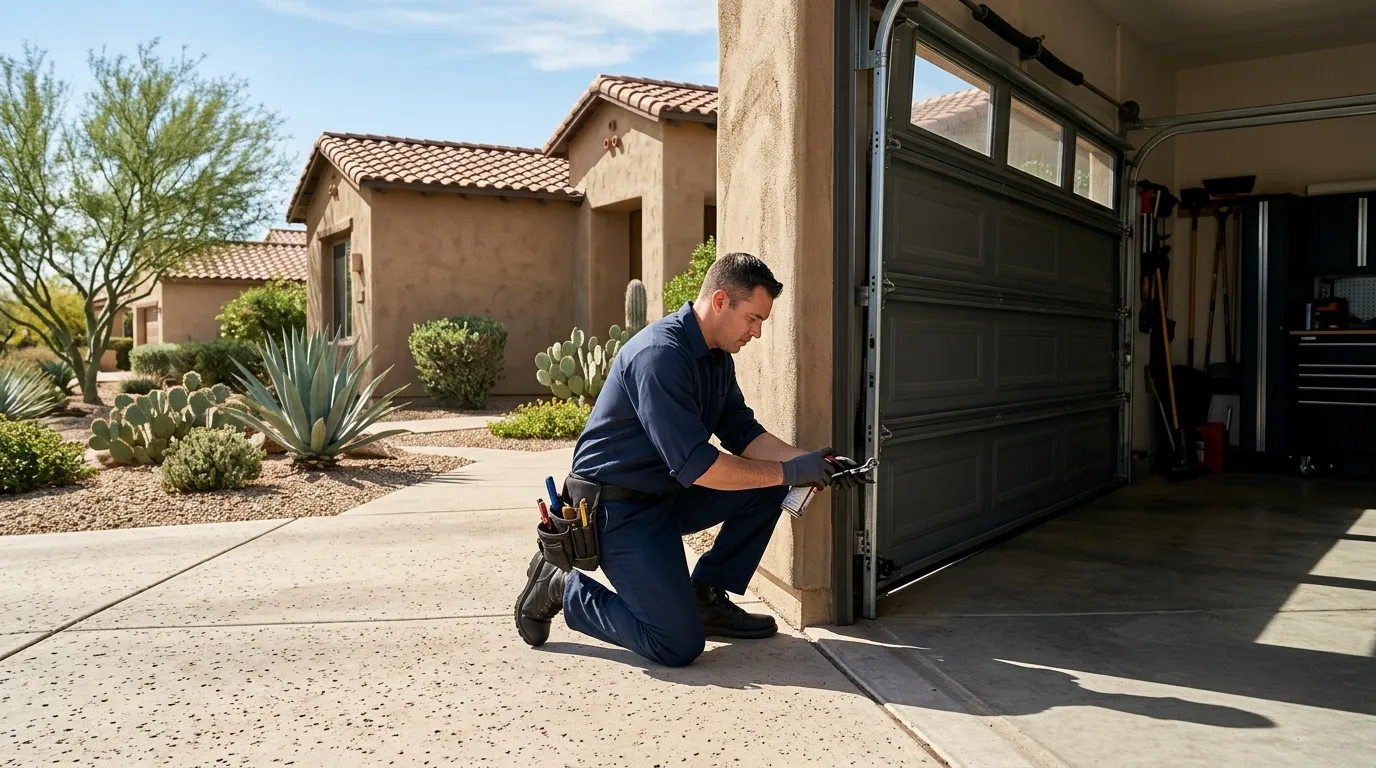
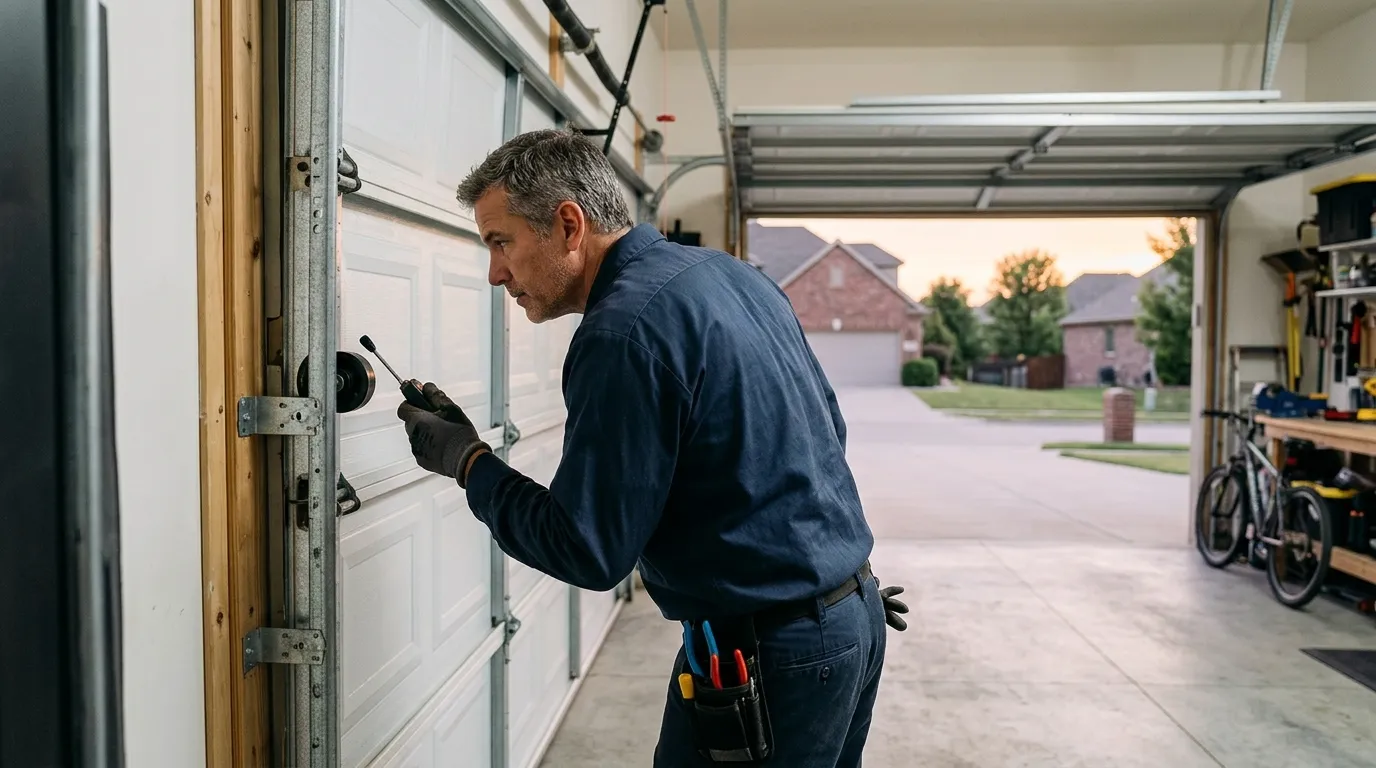
A door built or installed around 1979 almost always means a different spring setup than what goes into a house from the 2000s. Older torsion systems here tend to run smaller-diameter springs rated for lighter, thinner-gauge steel doors, and after decades of Arizona heat cycling the coils, they fatigue and snap without much warning. Extension springs on the older single-car doors are also common, and those wear differently, with the safety cables that should be present sometimes missing entirely on unmodified originals.
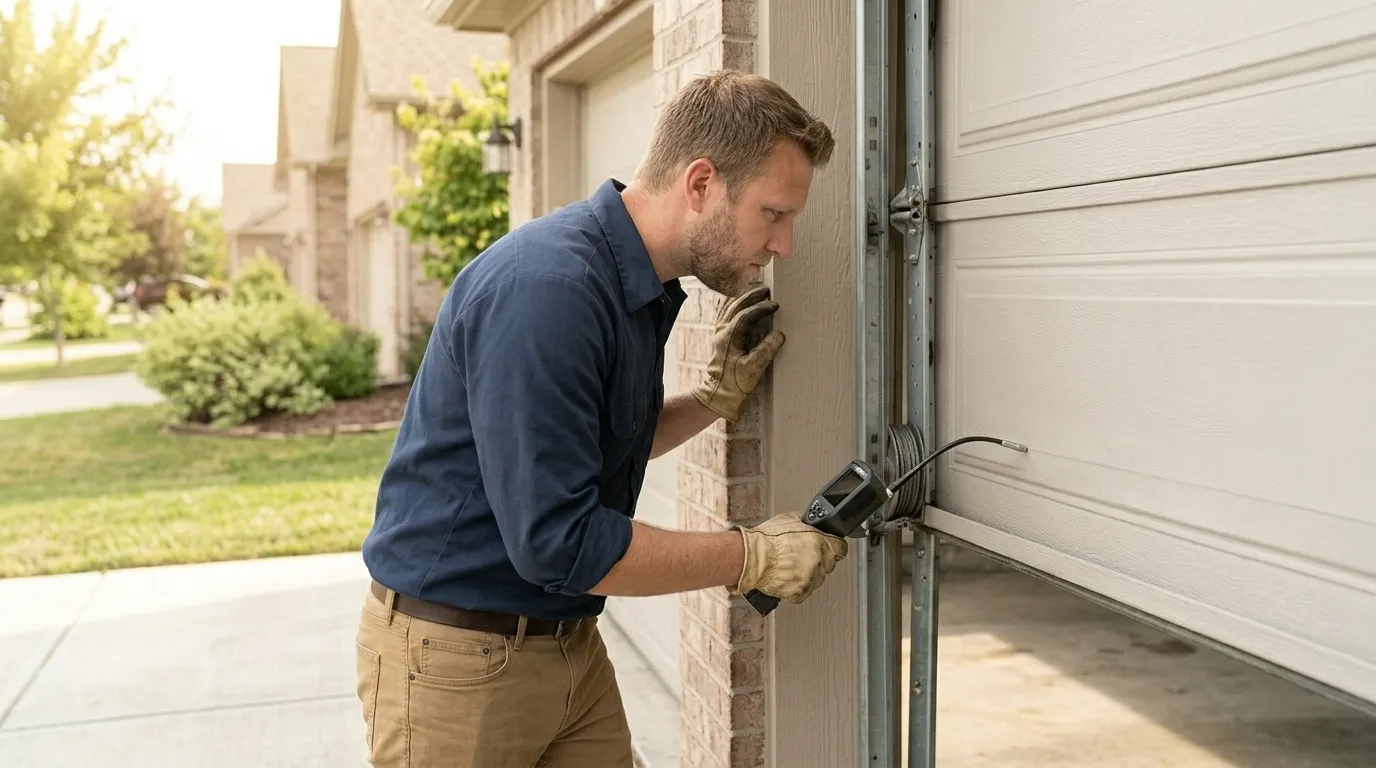
The heat matters as much as the age. This region sits in a severe-heat climate band, and daily temperature swings between a hot garage interior and cooler nights work grease out of bearings and dry out nylon rollers faster than in a milder climate. On a 1979 door that's never had the rollers replaced, that shows up as a door that's loud on the way up and slow on the way down.
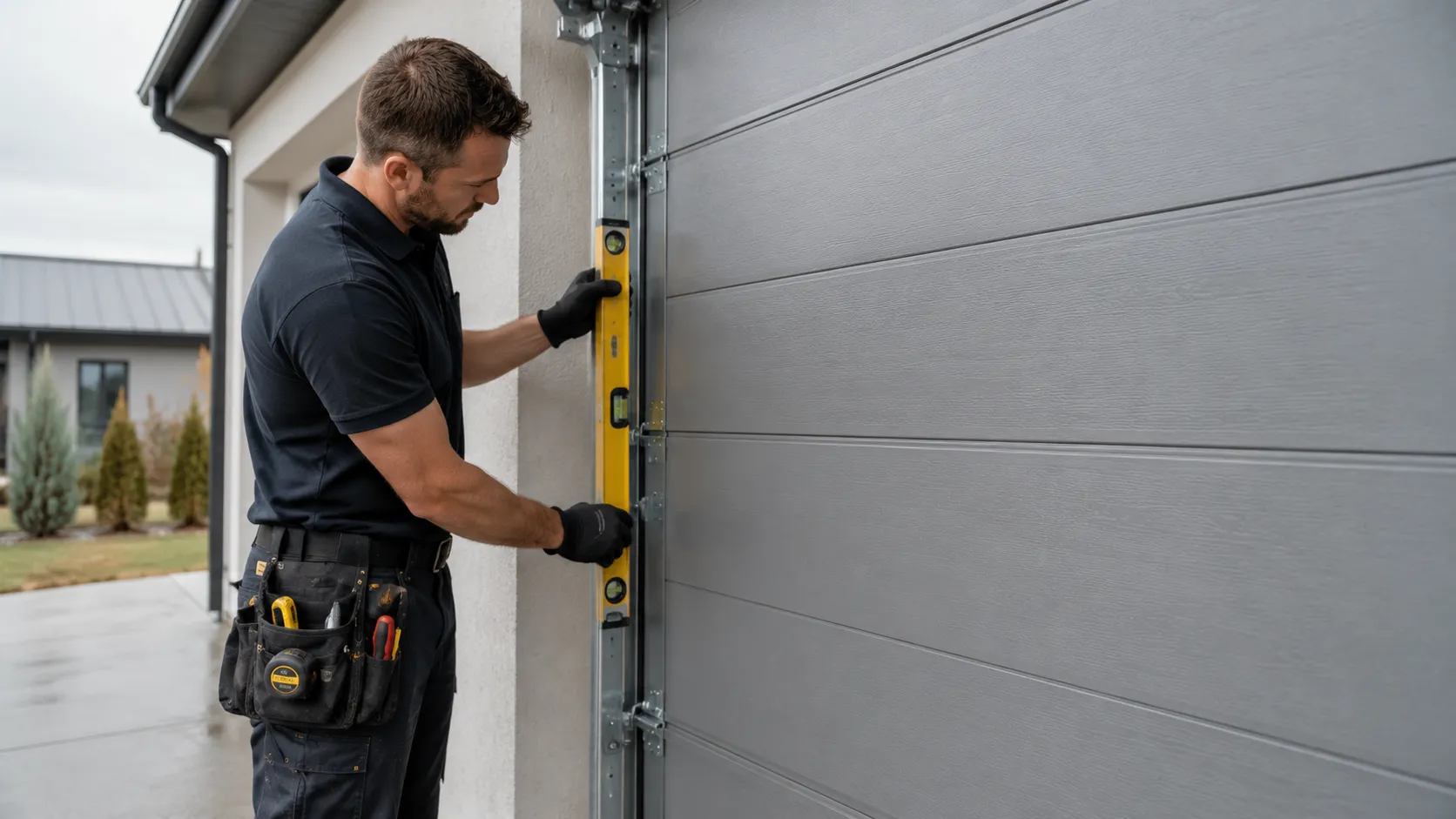
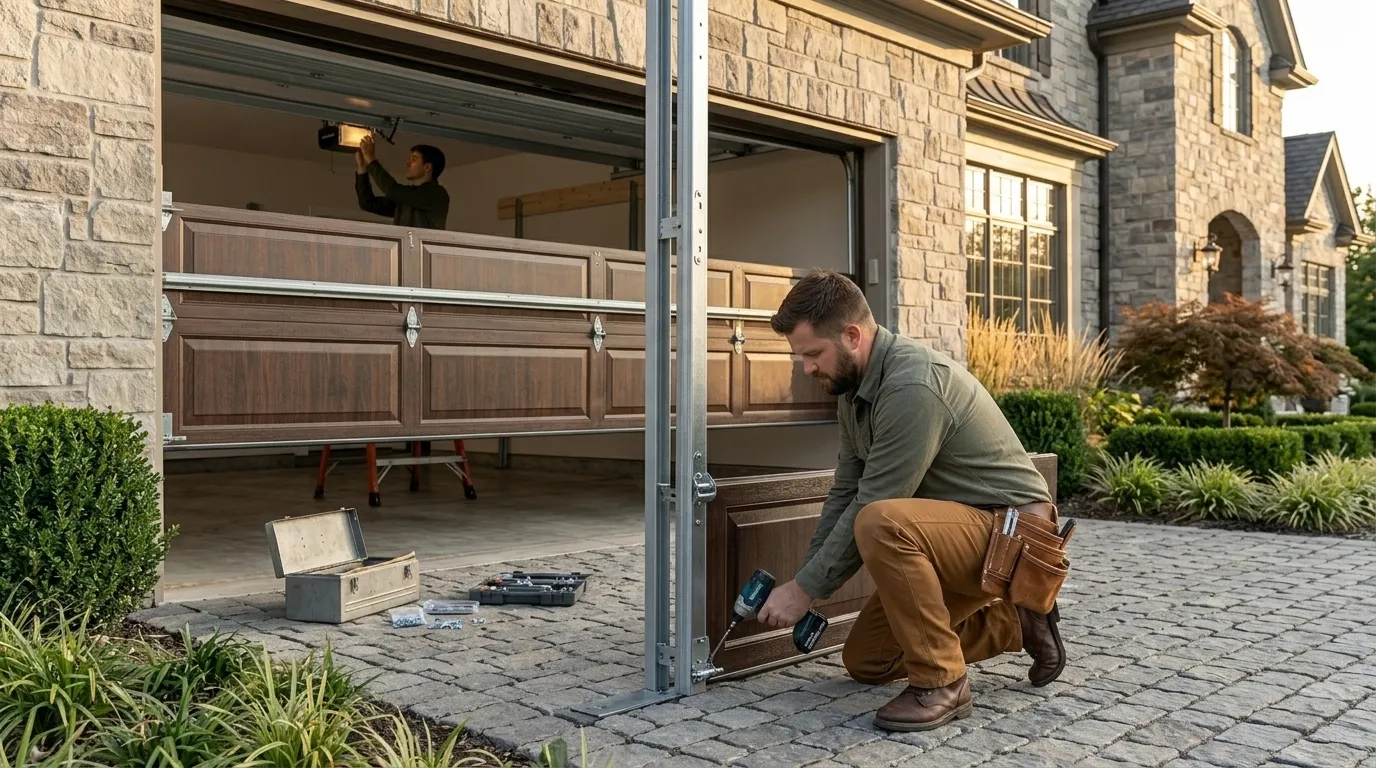
We don't push full replacement on every older door we see. A lot of these can run another decade with a spring change and a roller set. Replacement makes sense when the track is bent past adjustment or the panels themselves have rusted through, not just because the door is old.
The Houses Here
Youngtown sits about 12 miles from Phoenix, and the housing here reflects an earlier wave of building than the mid-2000s stock that dominates a lot of the wider metro. Median household income in this area is $68,472, a bit below the broader service-area figure, which we mention only because it shapes what kind of repair makes sense - patching a working door back to solid rather than defaulting to full replacement is usually the right call here, not just the cheaper one.
With around 2,460 households in this pocket, most of the doors we'd expect to see are original single or double garage units sized for the era, not the taller, wider openings common in newer subdivisions. That means parts sourcing sometimes takes a call or two to match spring wire size and drum diameter correctly, since off-the-shelf modern kits aren't always a direct fit.
We don't have a way to verify condition house by house, so we're not going to tell you your specific door needs anything before we've actually looked at it. What we can say is that the age profile here is a real, consistent pattern, not a guess.