How That Shows Up in the Door
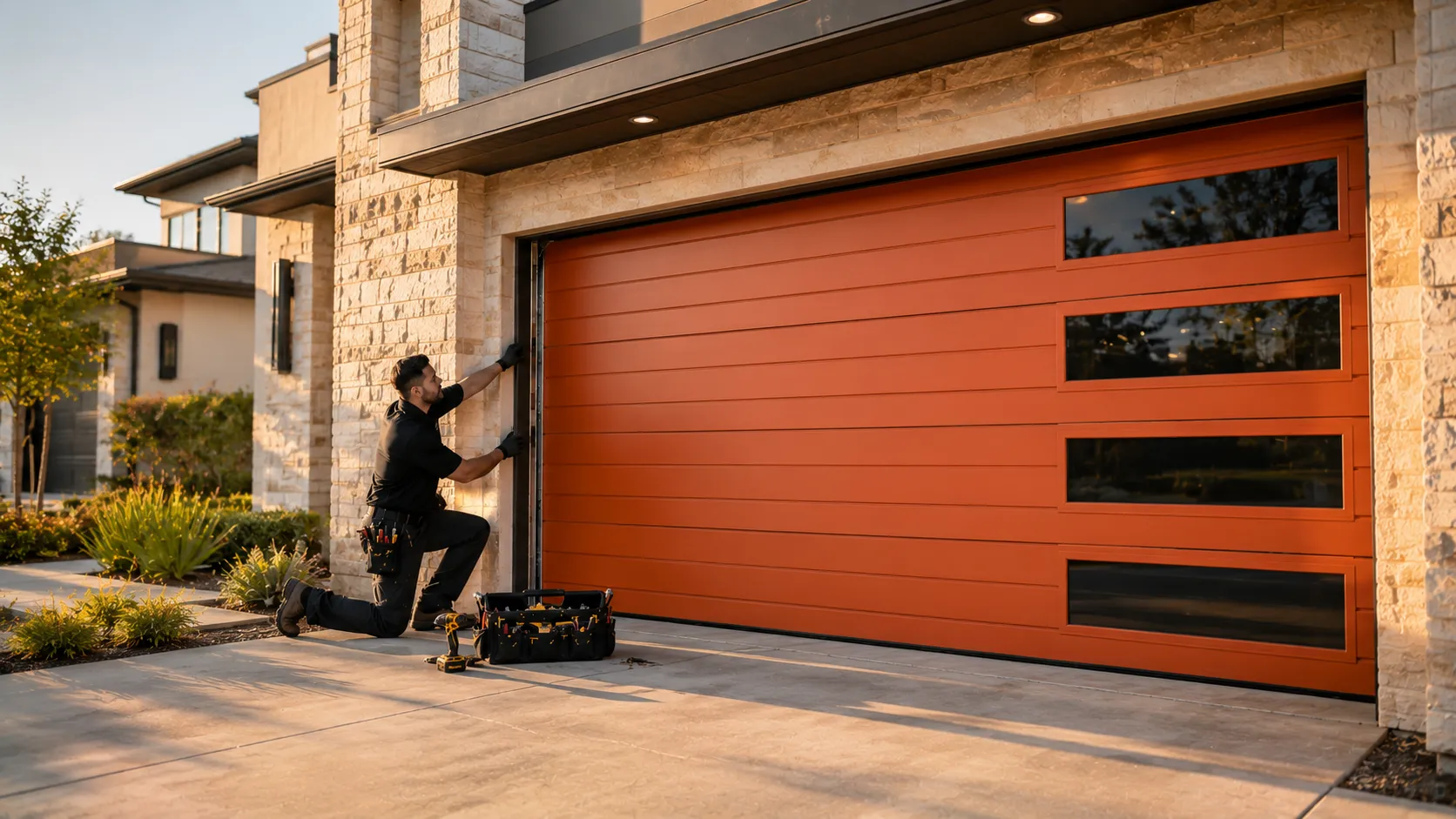
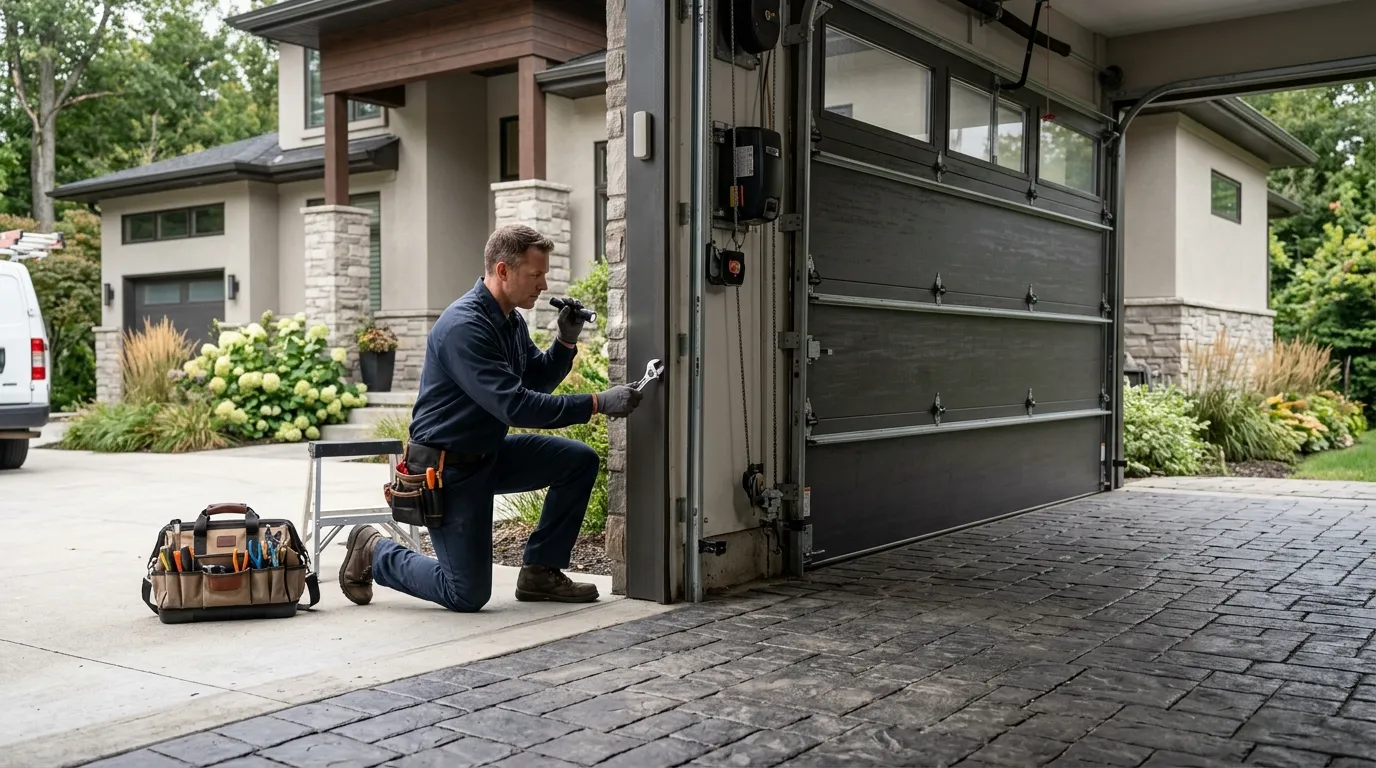
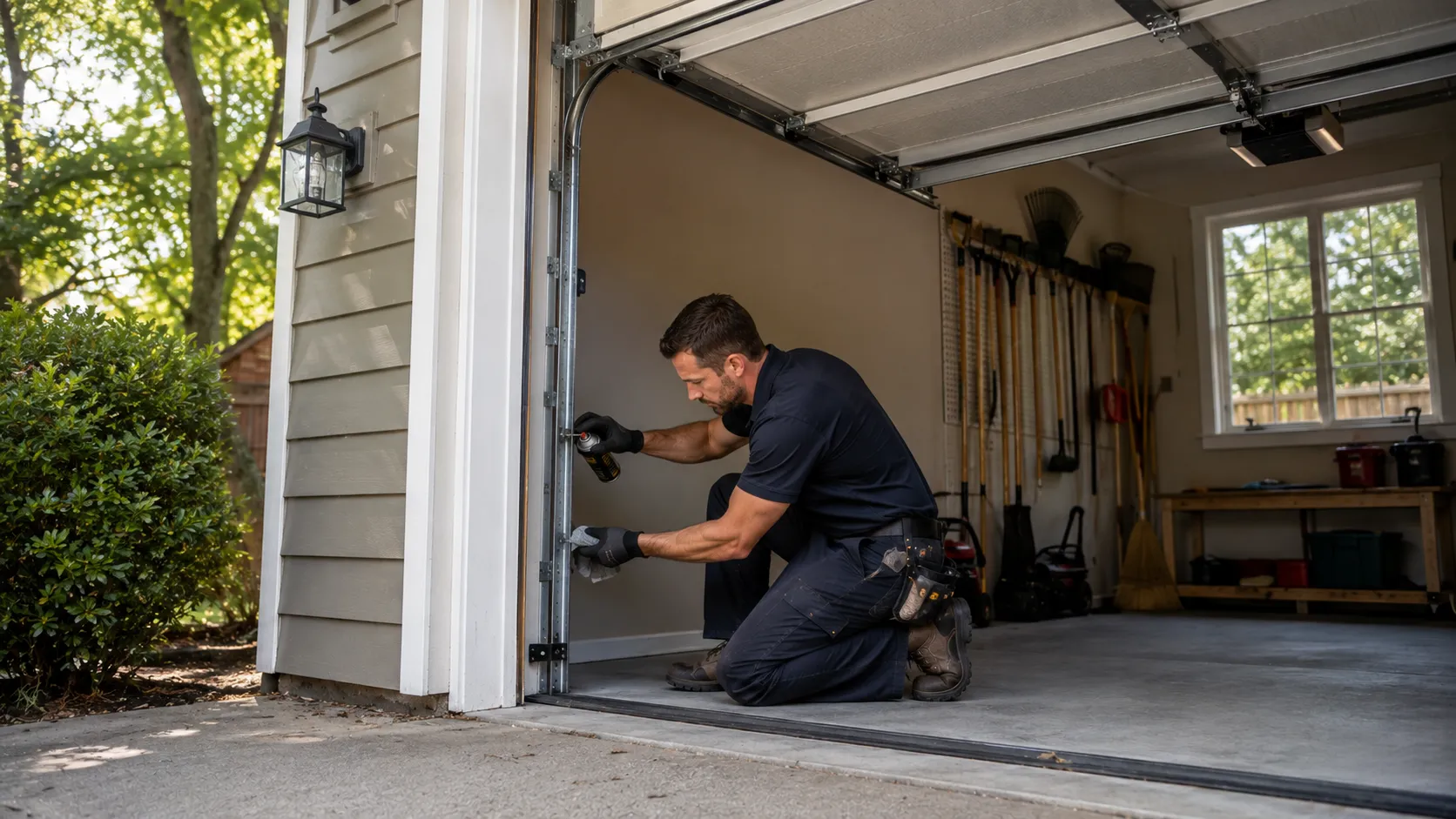
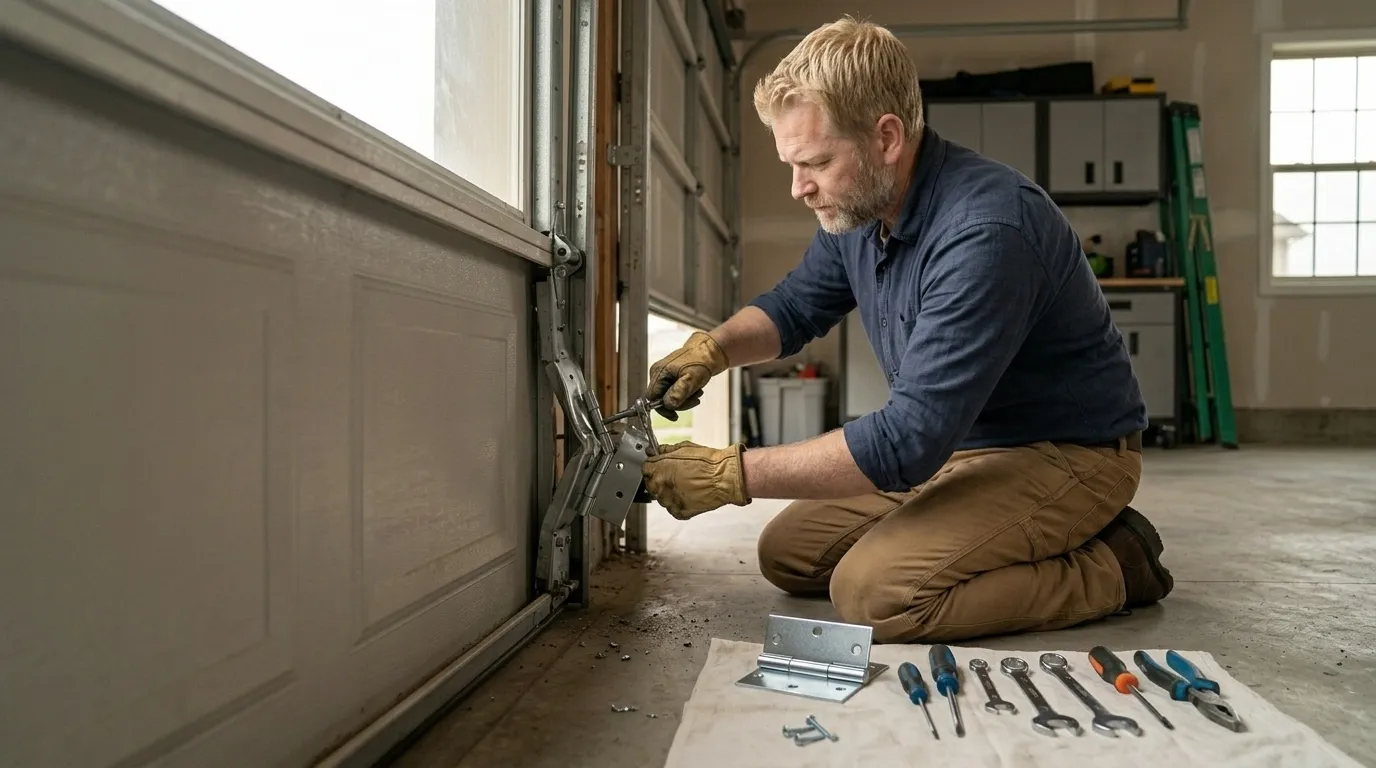
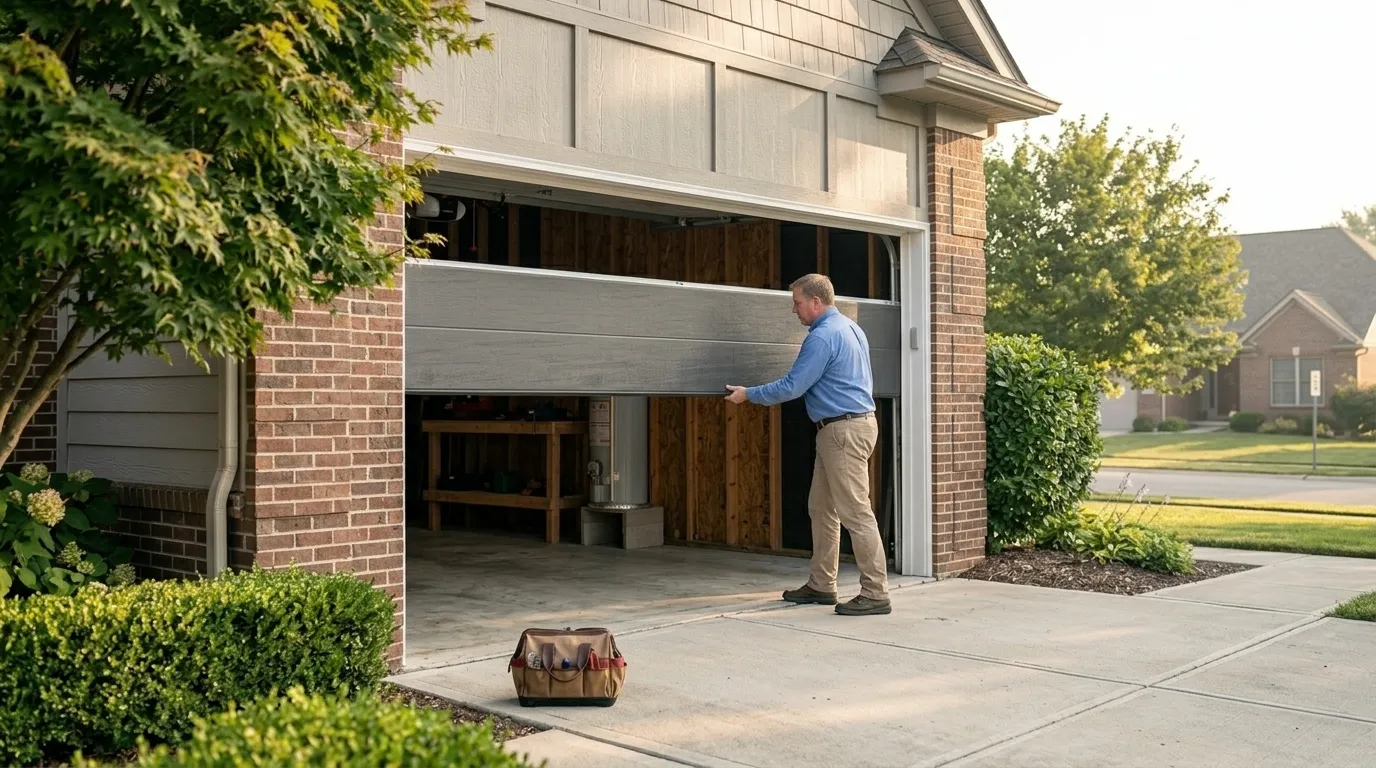
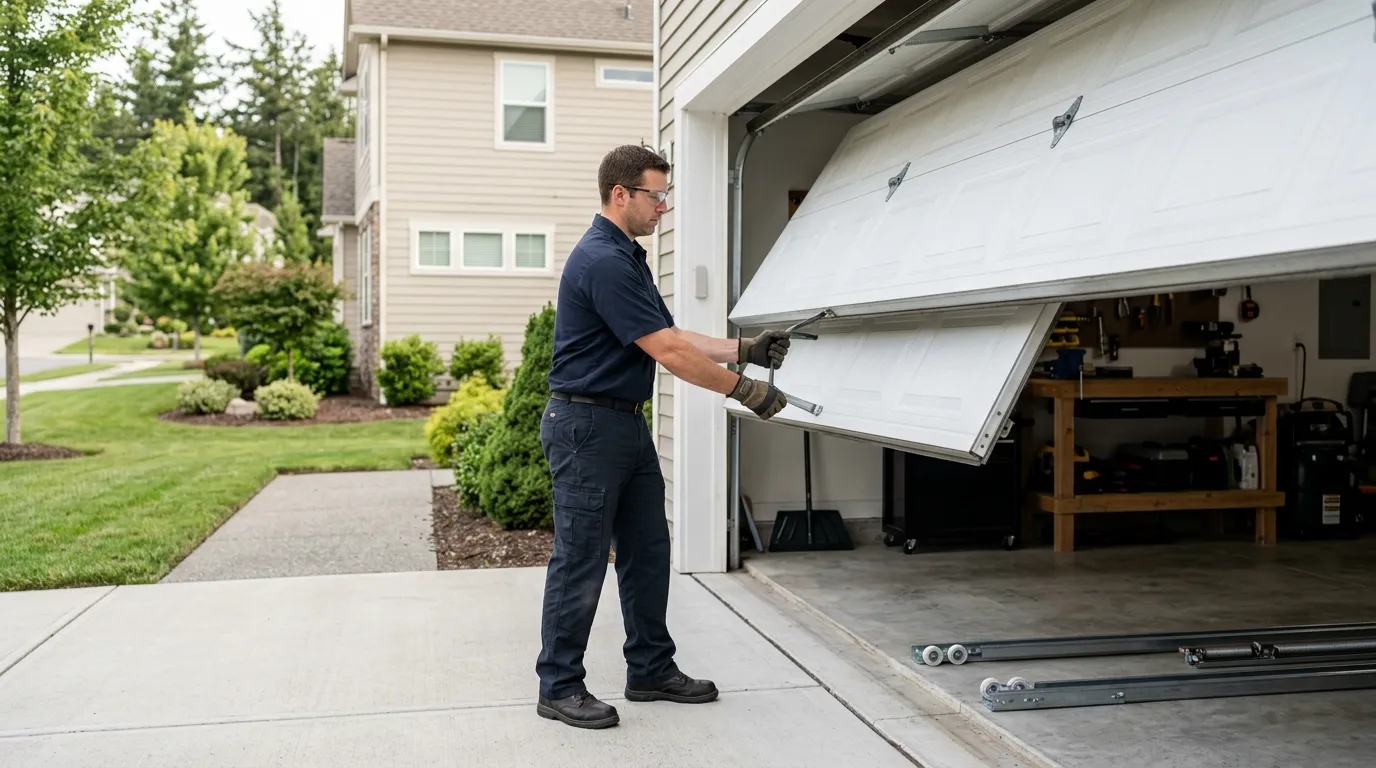
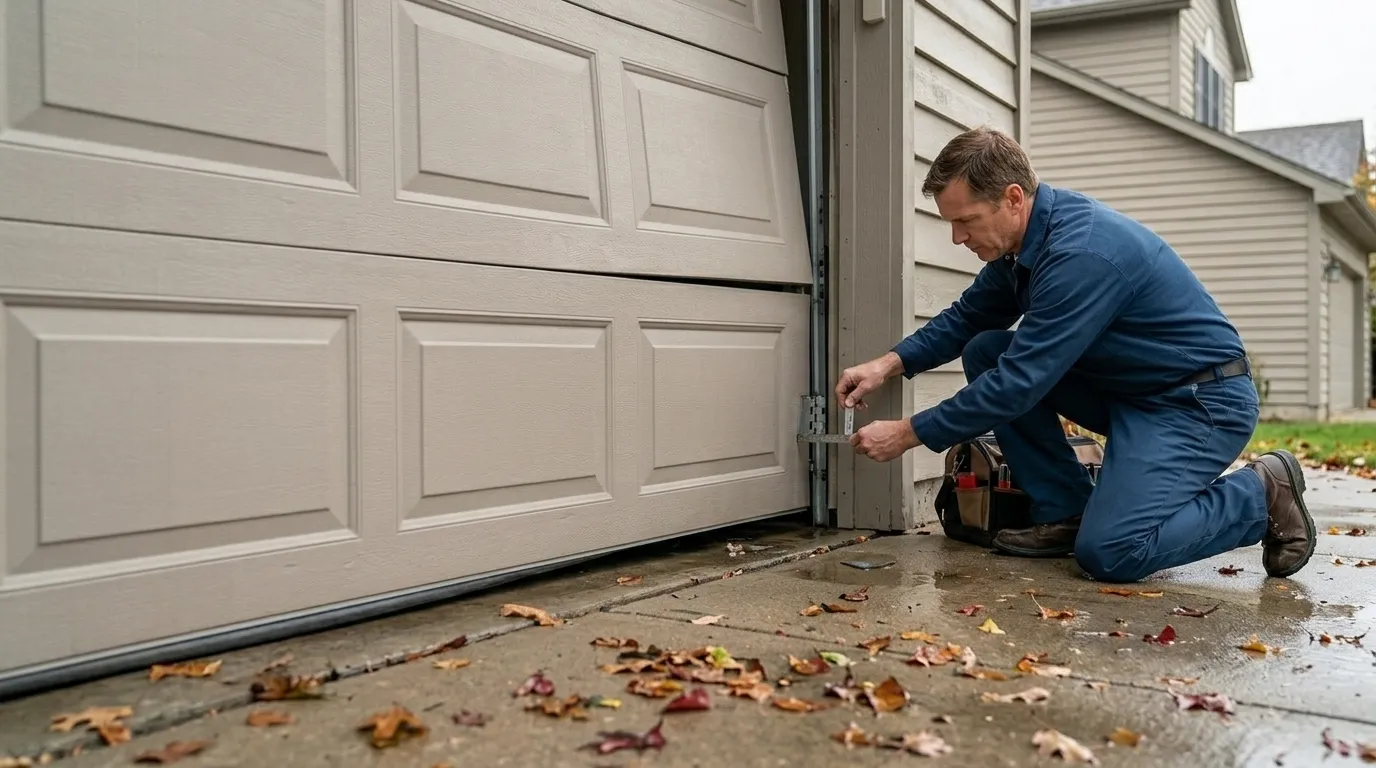
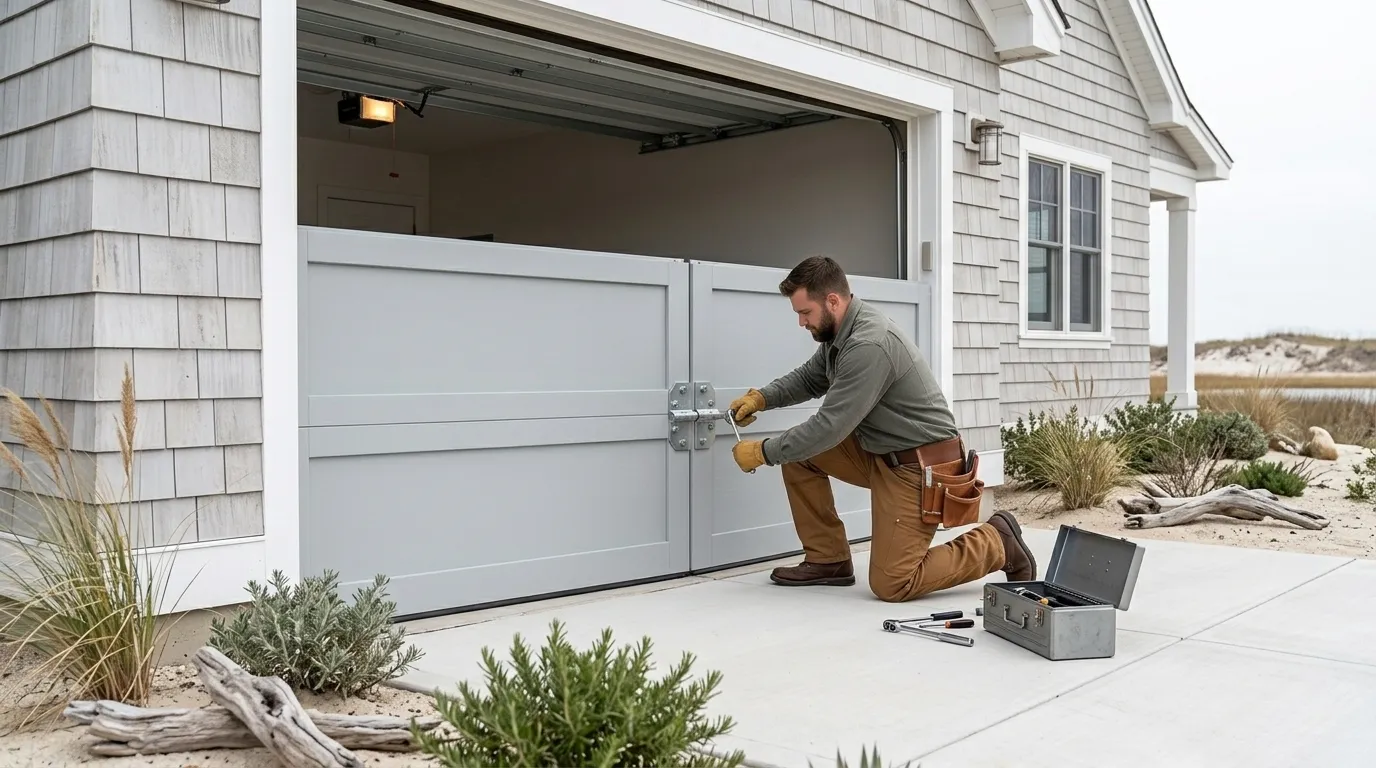
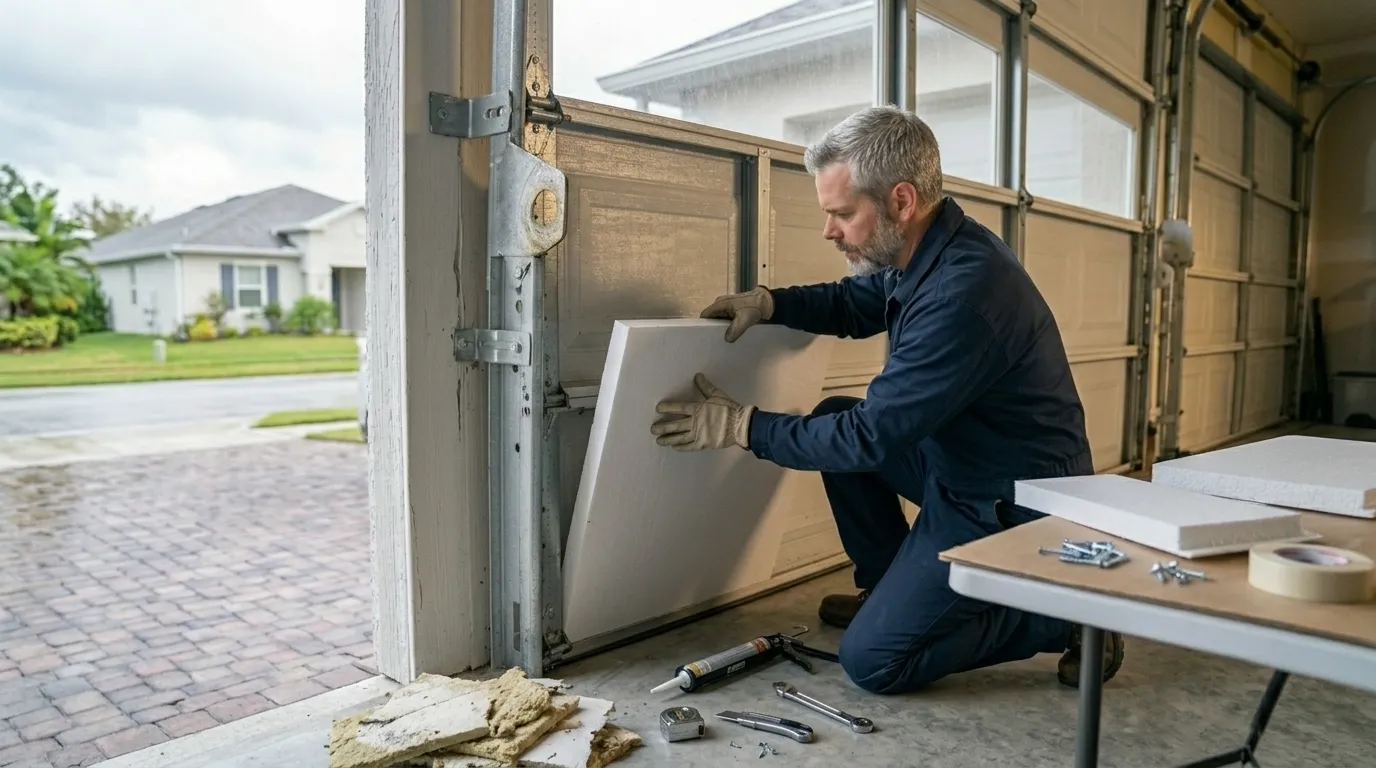
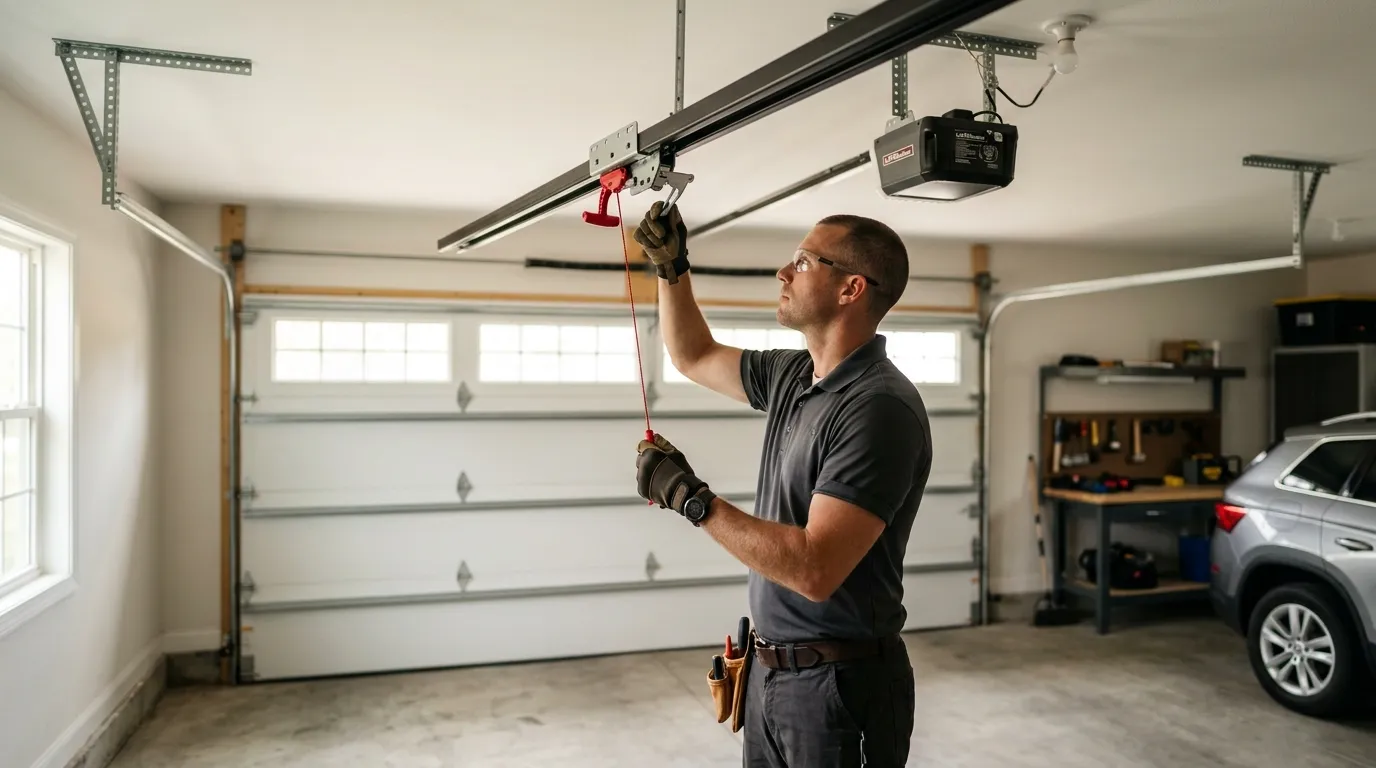
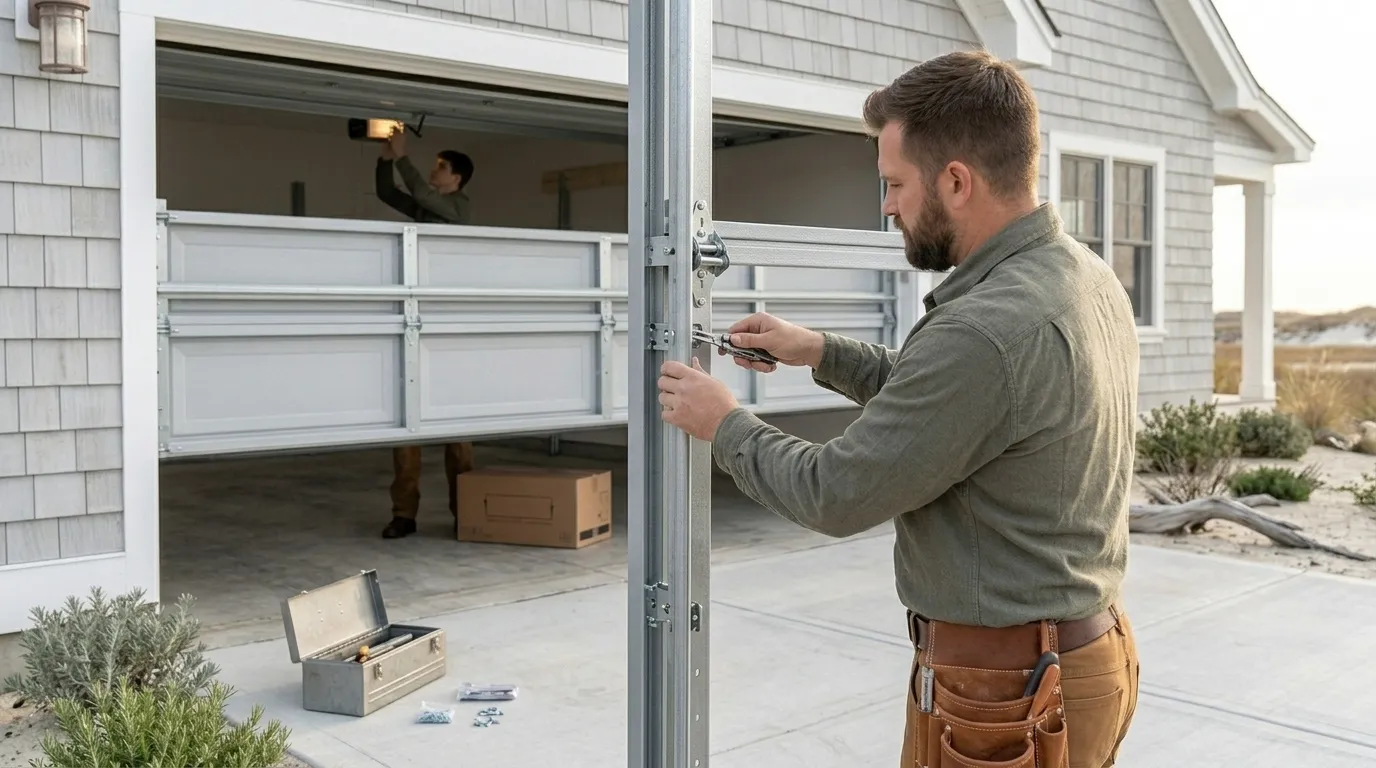
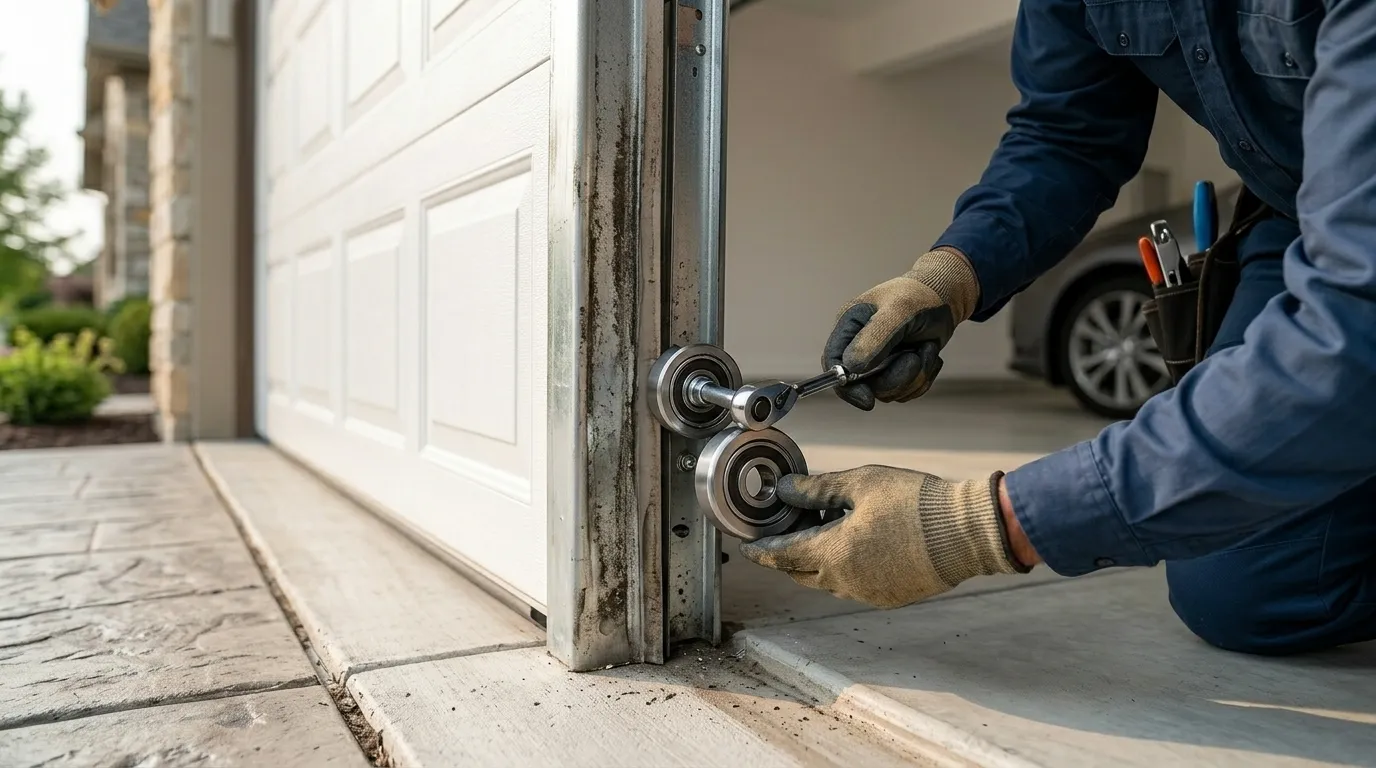
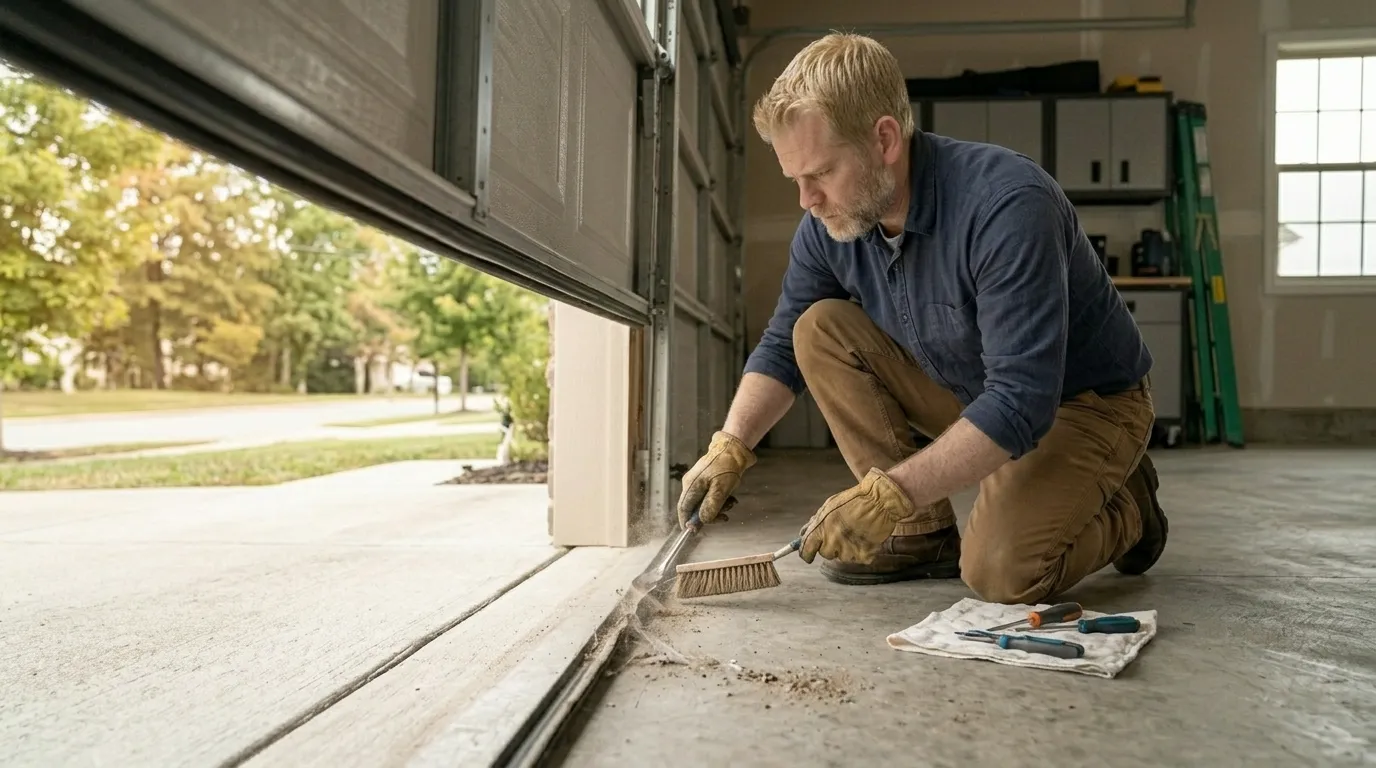
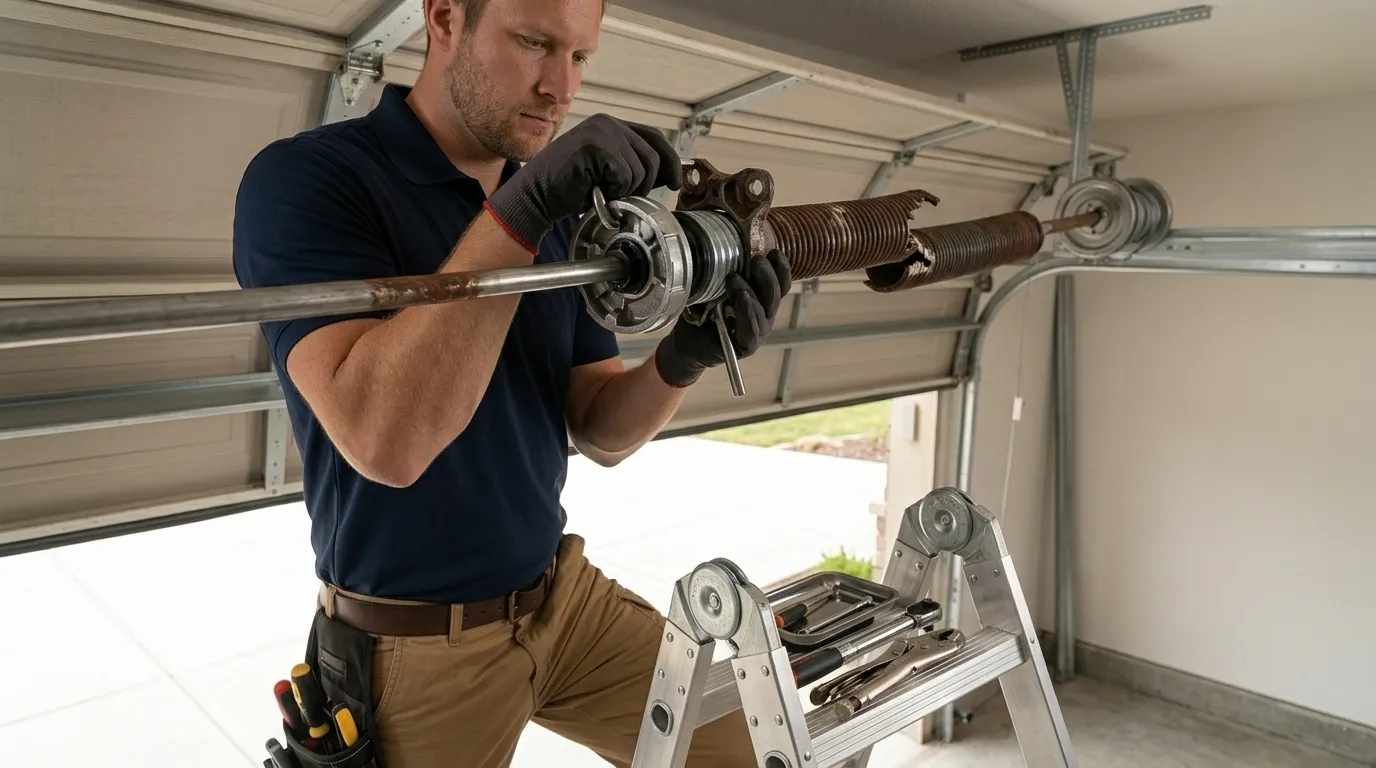
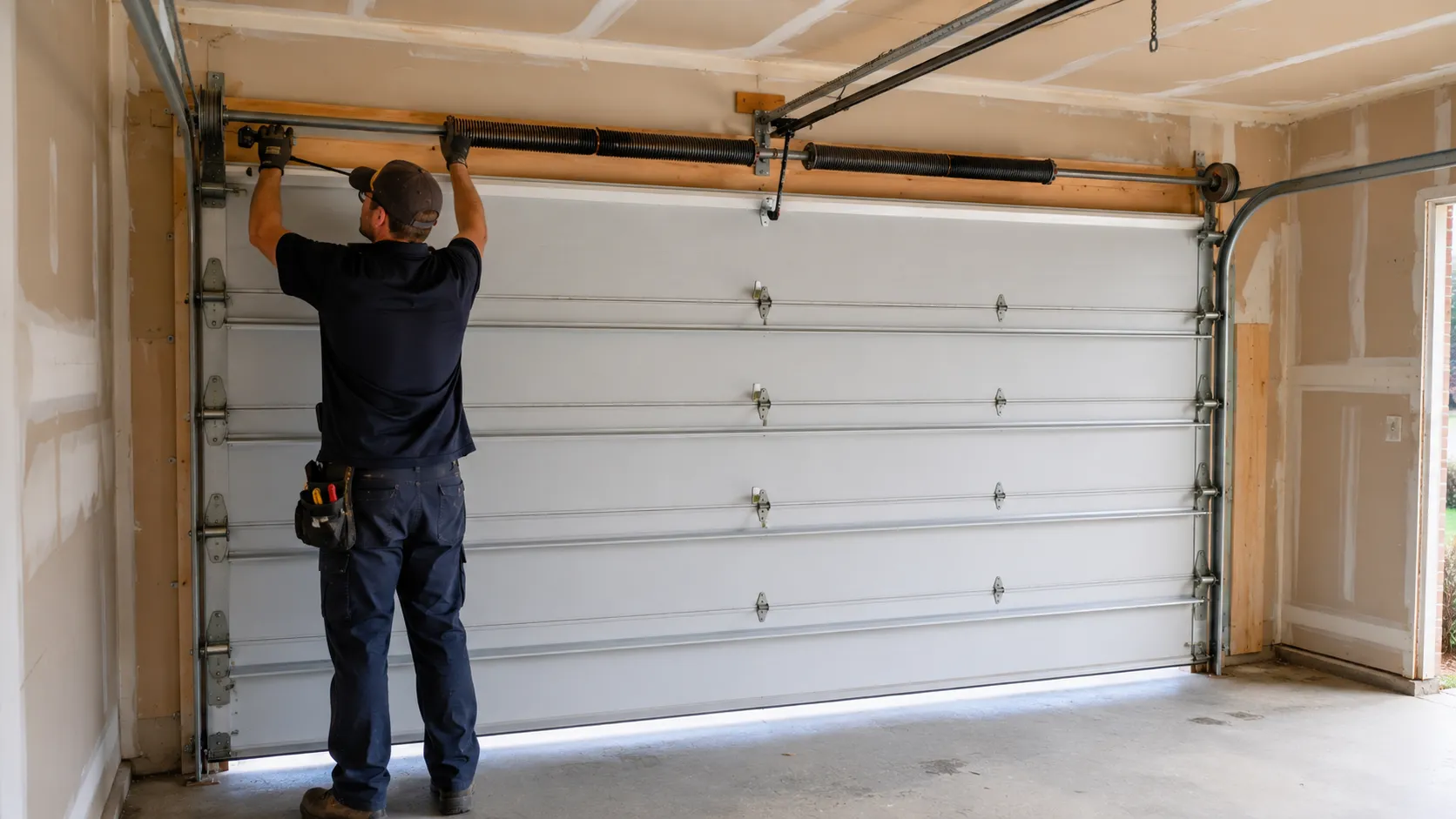
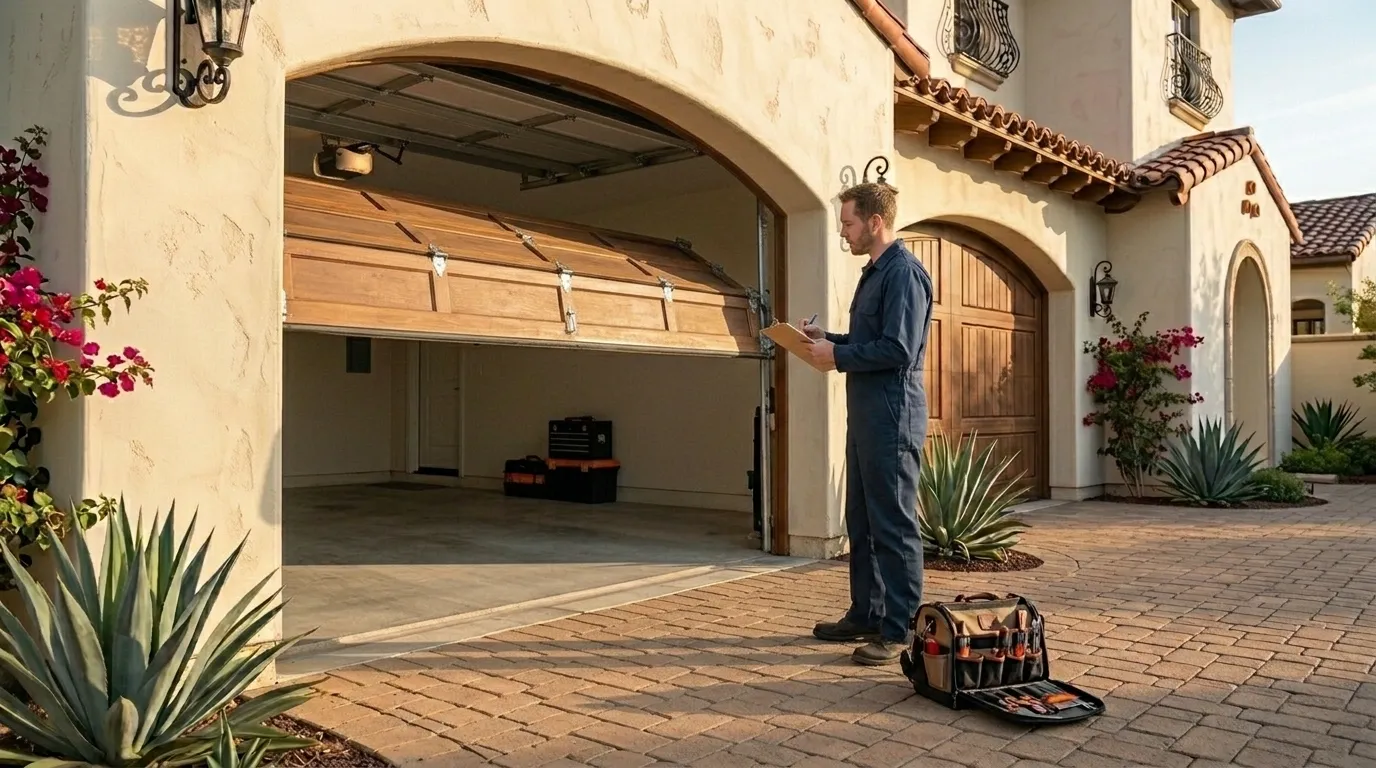
A door built to early-2000s spec usually has a torsion spring system rated for lighter steel panels than what's sold today, and galvanized cable that's now two decades into a service life it was never guaranteed past. On a house from the 2001 build wave, the failure pattern is predictable: the spring goes first, usually in summer, then the cable frays where it wraps the drum. Severe heat exposure in this part of Arizona shortens the life of nylon rollers and dries out lubricant on tracks faster than in milder climates, so a door that looks fine in spring can bind or drop hard by August. We see this pattern often enough in homes from this era that it's the first thing we check, before opener boards or sensors.
The Houses Here
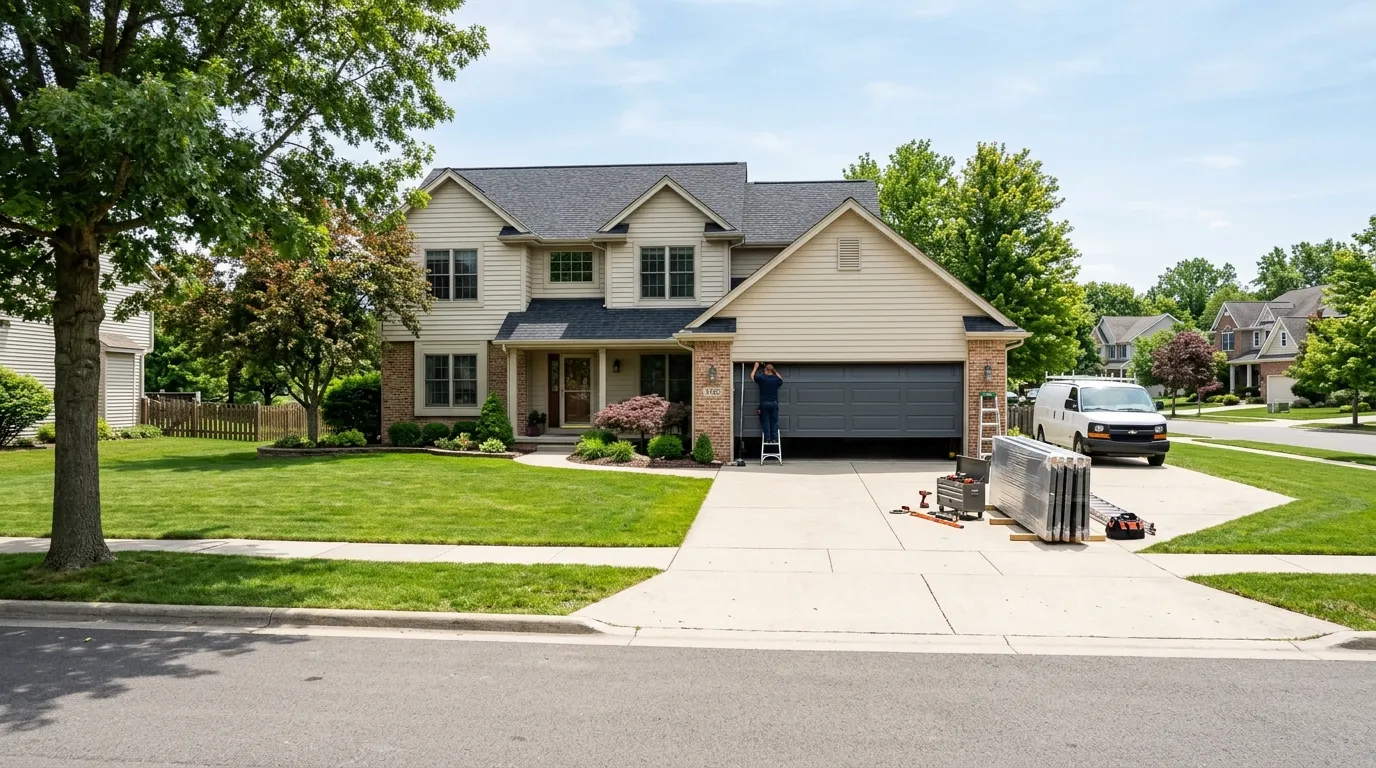
Most of the housing near Litchfield Park went up in the same wave that produced 2000s stock across the wider Phoenix service area, with a median build year of 2001 for the region and a local figure that lines up closely. That means a fairly uniform generation of garage doors: steel sectional panels, extension or torsion springs sized for builder-grade insulation packages, and openers that were mid-range for their time but are now well past a typical replacement window. It's a more consistent housing stock than you'd find in an area with mixed decades of construction, which actually makes diagnosis faster - we're not guessing at hardware generations, we're working from a known baseline for the neighborhood.