How That Shows Up in the Door
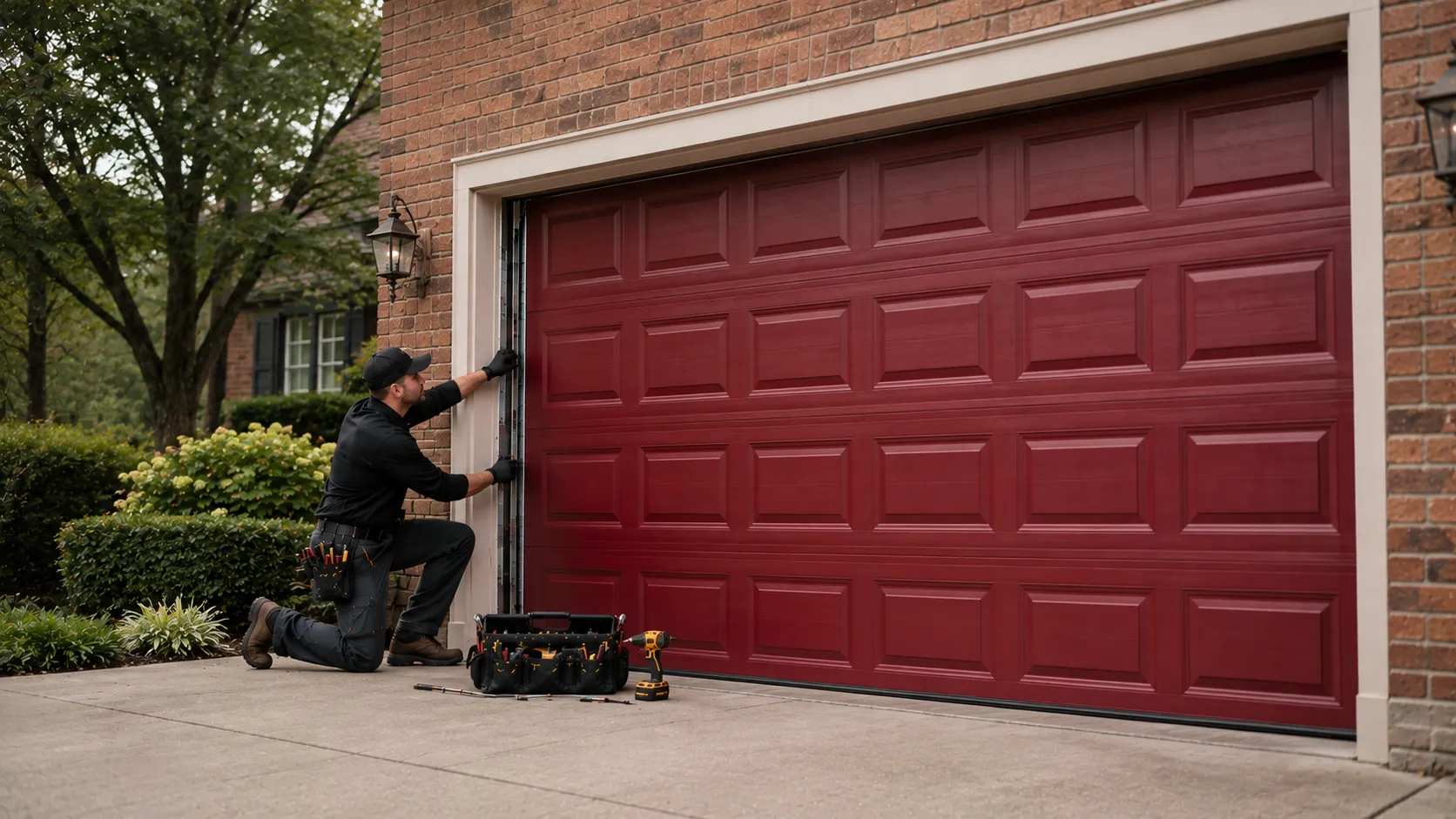
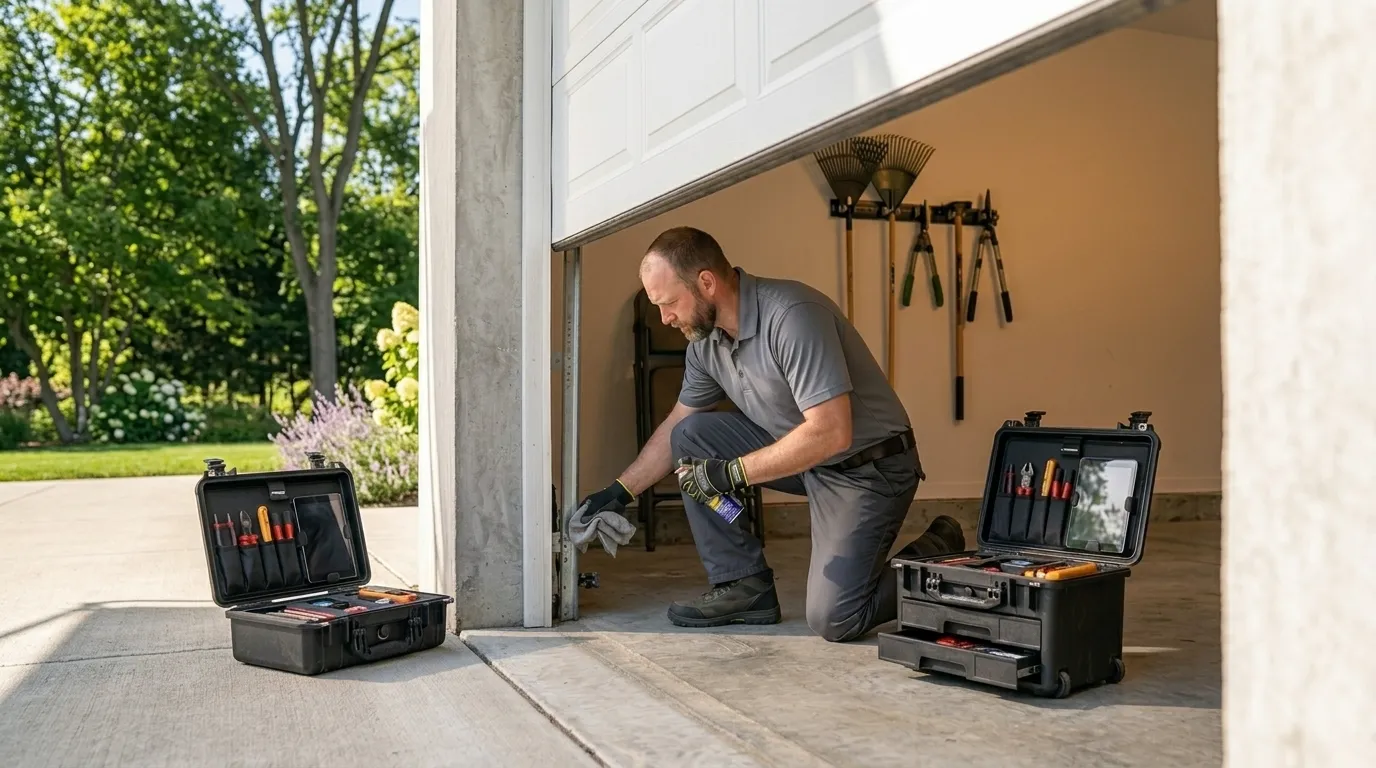
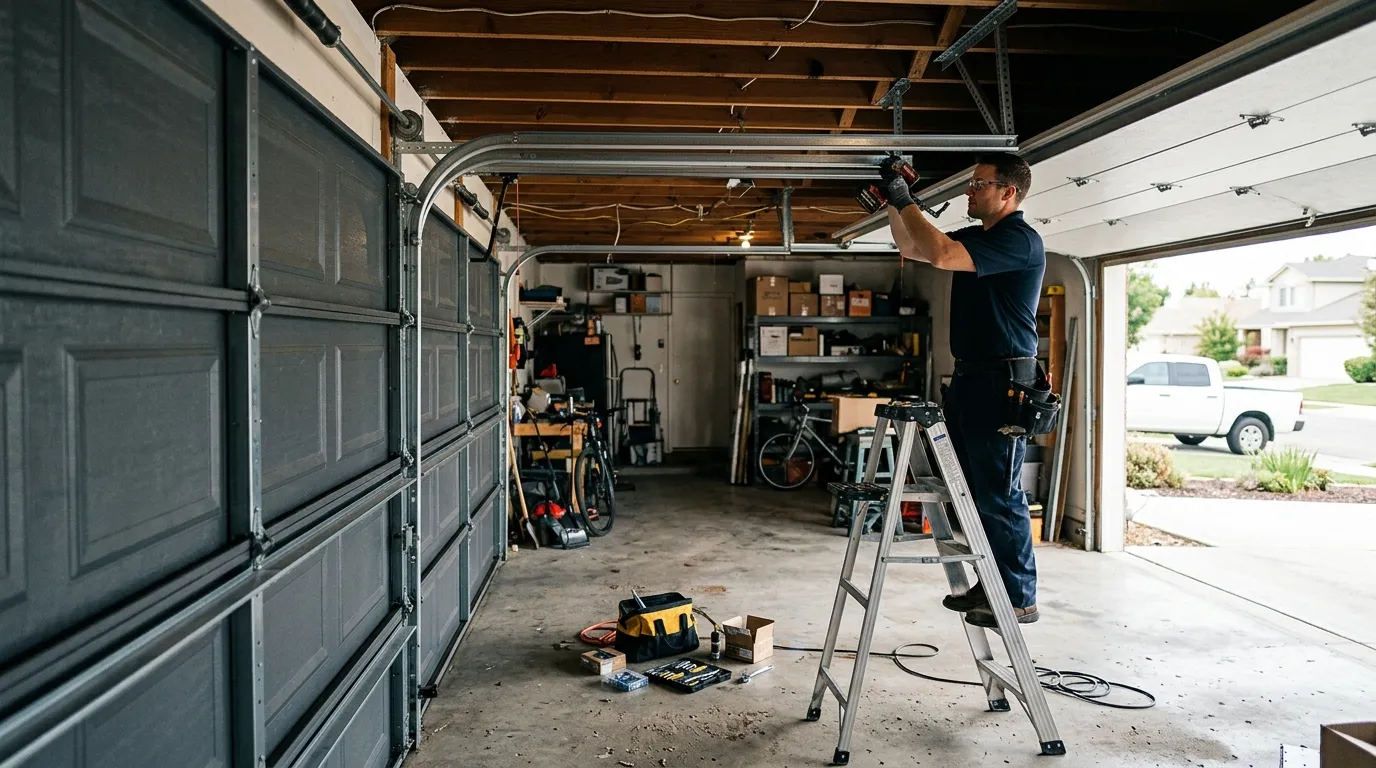
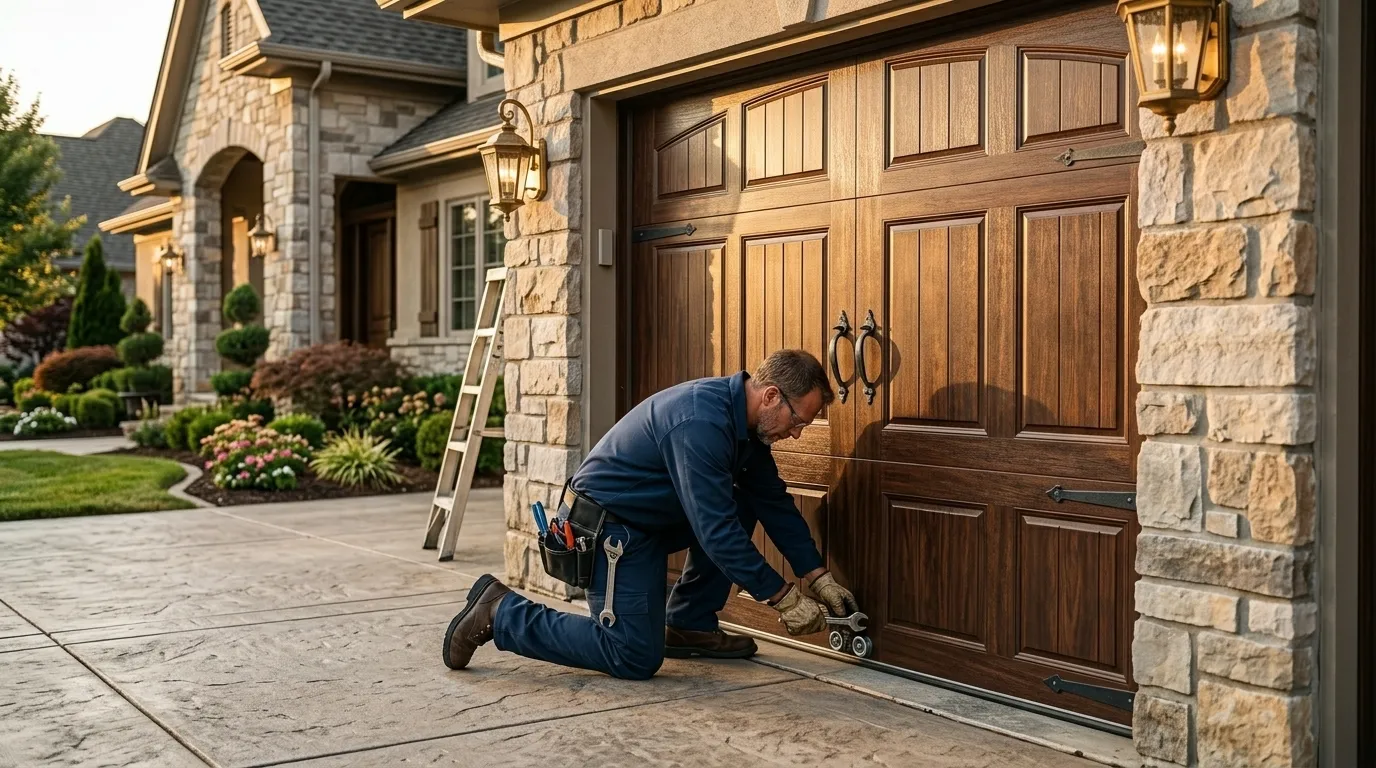
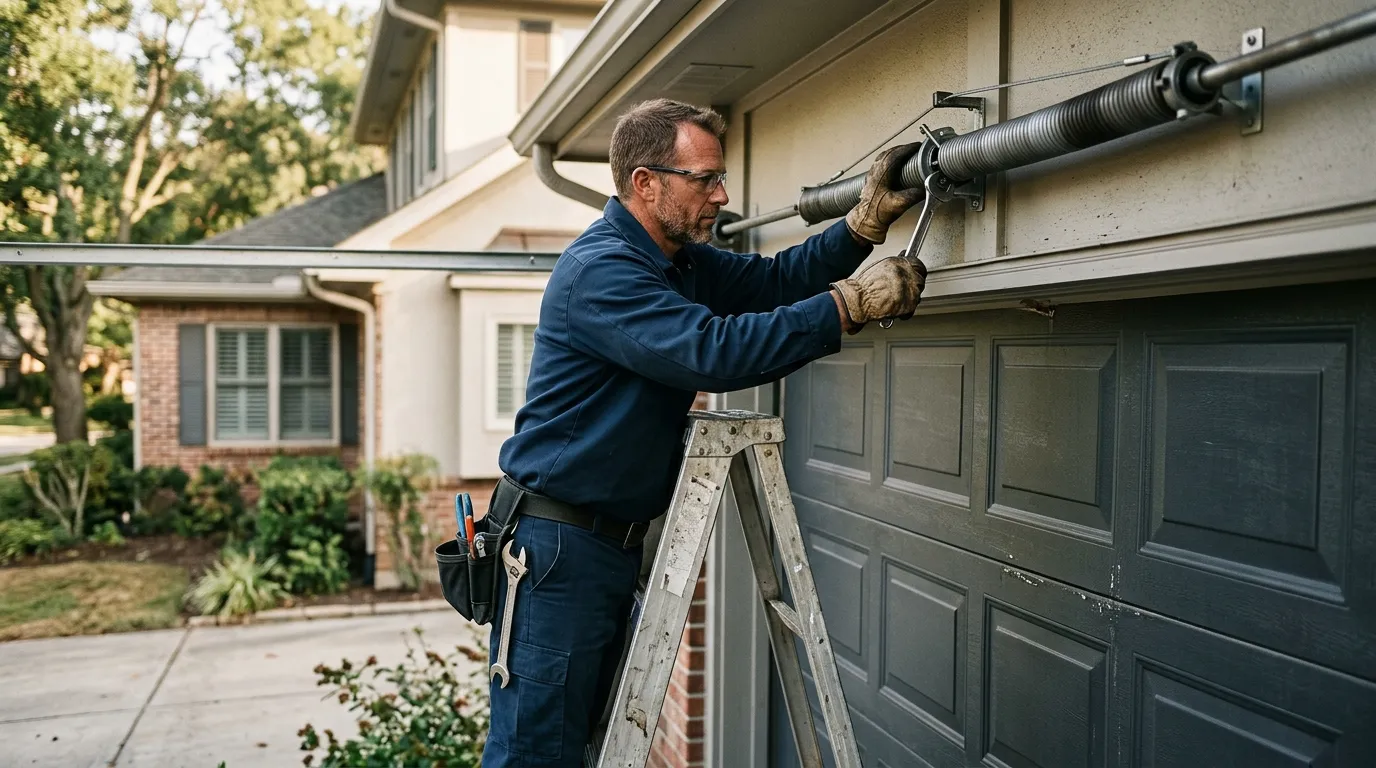
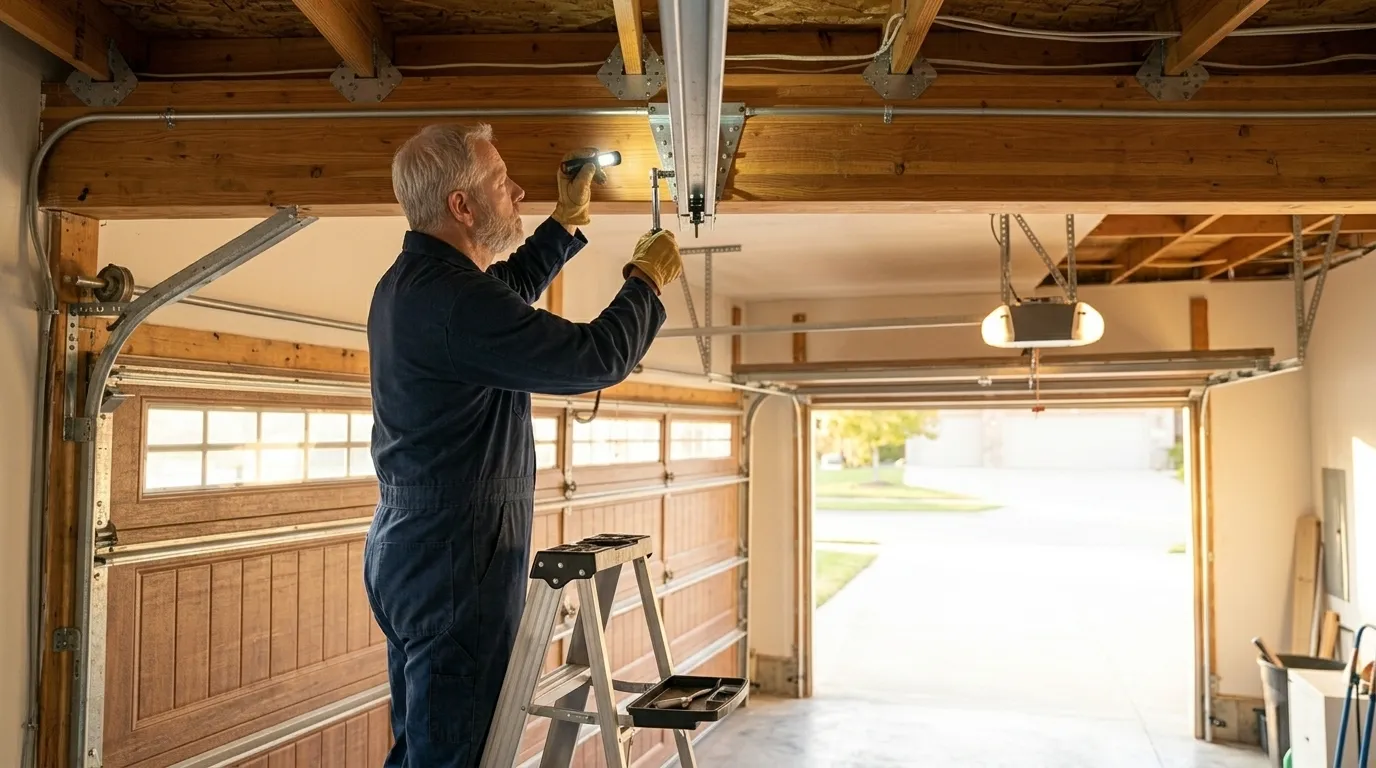
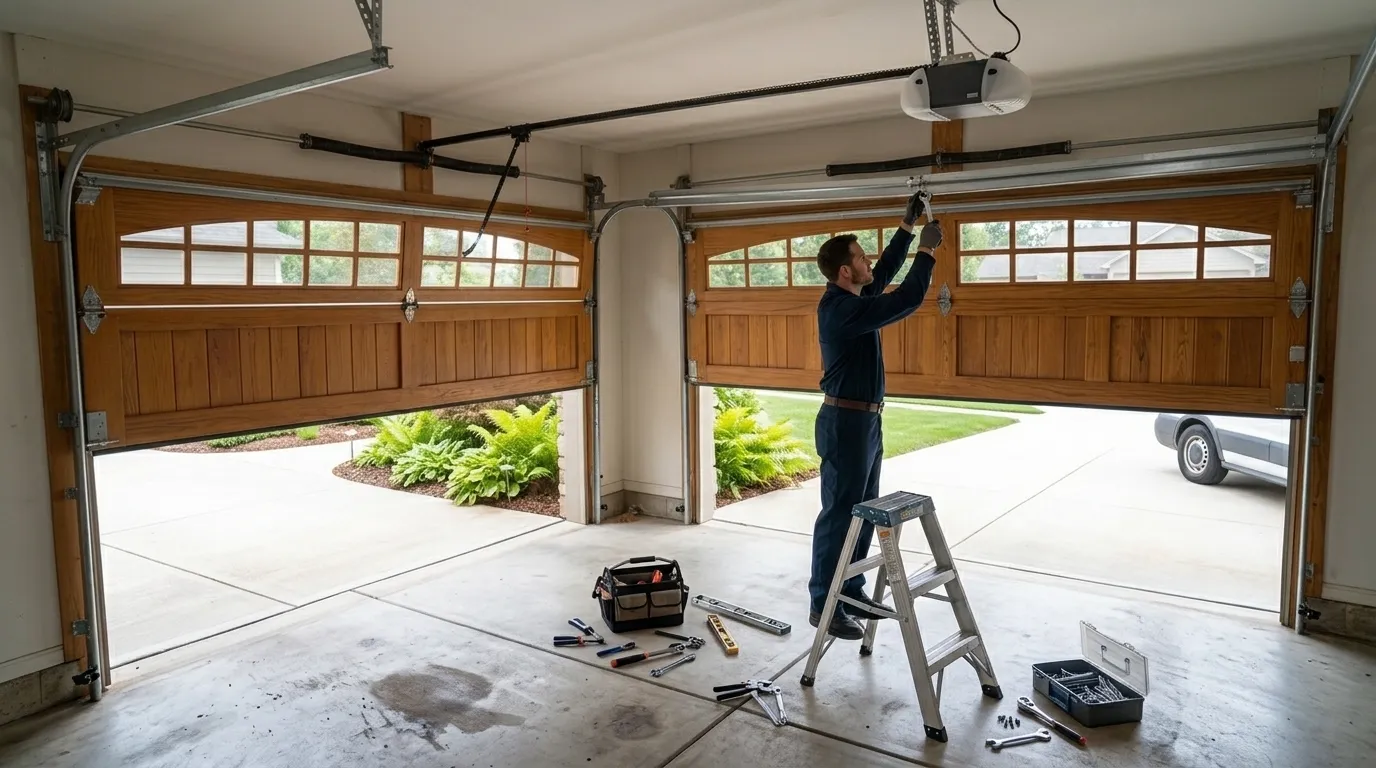
A door built in the early 2000s in this part of Arizona has usually spent two decades in severe heat cycling - hot enough during the day to expand steel panels and springs, cool enough at night that everything contracts again. Do that every day for 20 years and the fatigue shows up in specific places: torsion springs that lose tension years before their rated cycle count, nylon rollers that go brittle and crack, and galvanized cable that starts to fray where it wraps the drum.
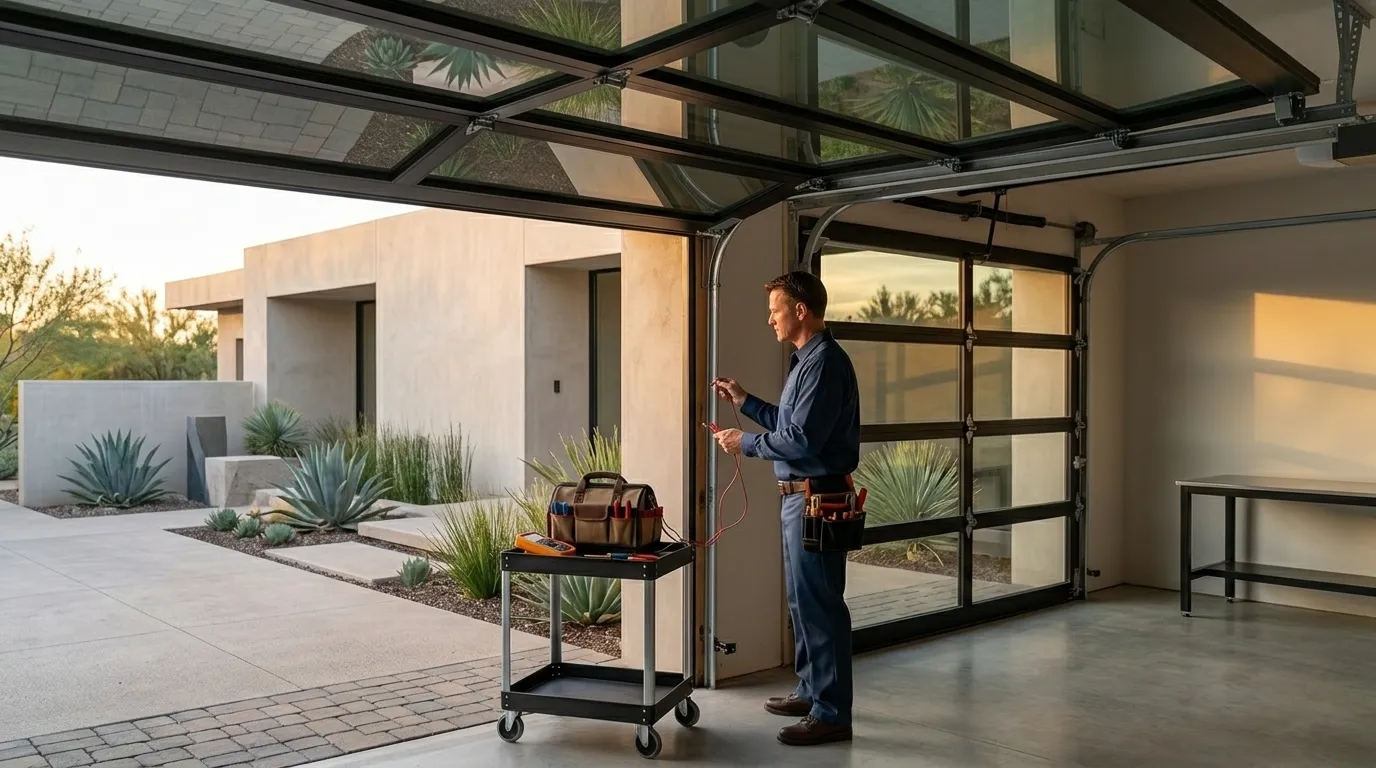
Because Anthem's stock is mostly one era, we see the same handful of opener models fail the same way - capacitors giving out on the motor, or drive gears stripping on belt-drive units that were mid-grade builder installs. It's not random. It's a fleet of doors the same age, in the same climate, wearing out on the same schedule.
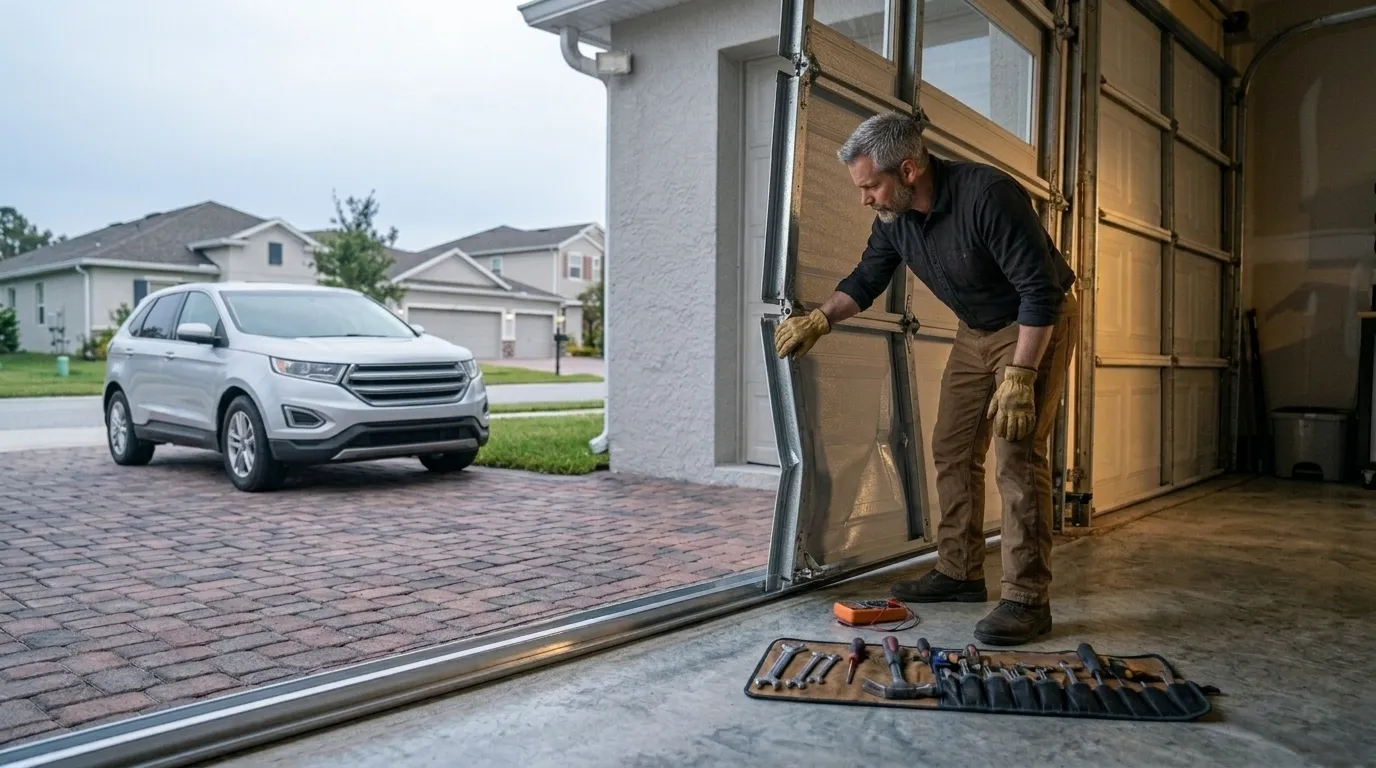
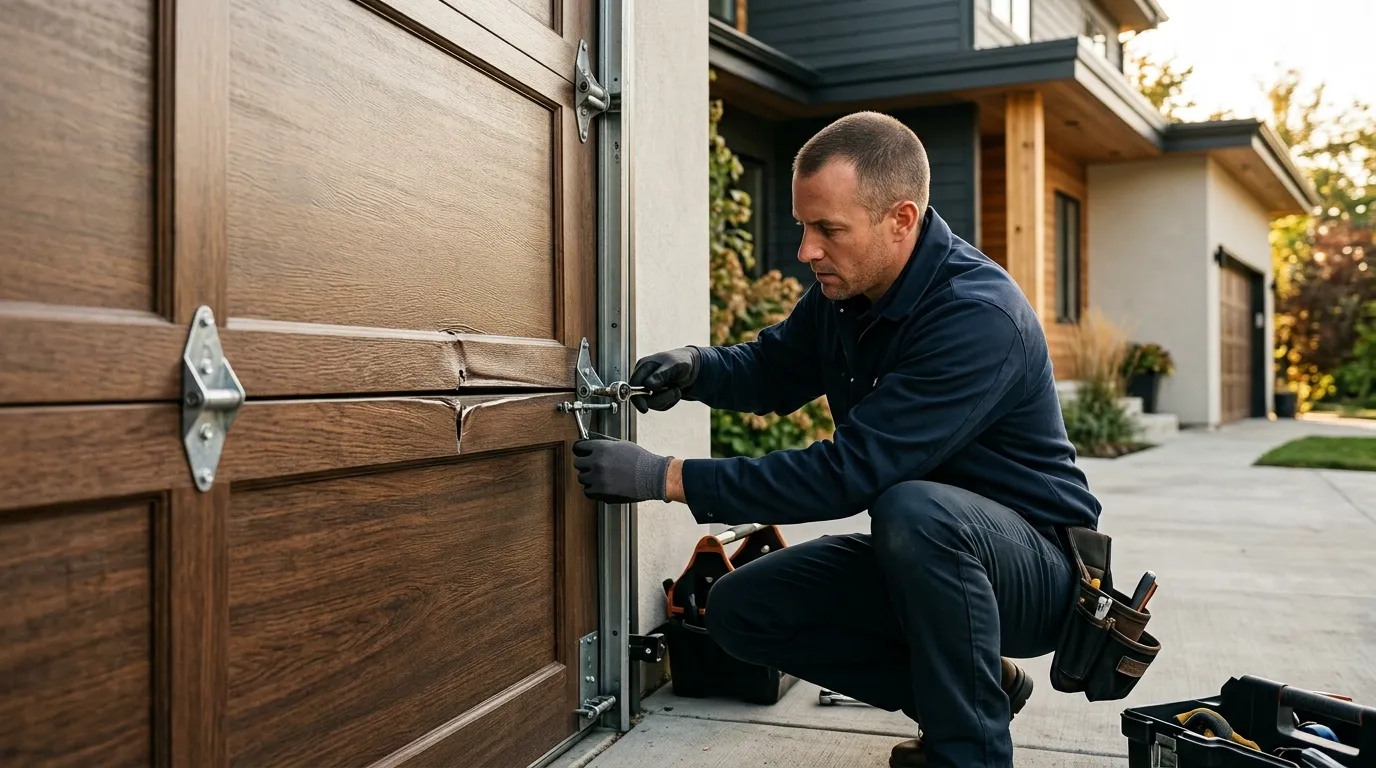
The honest limitation here: if a spring has already snapped and warped the track on its way down, that's not a five-minute fix, and sometimes the cost of straightening a bent track plus new hardware gets close enough to a new door that we'll tell you to replace rather than repair.
The Houses Here
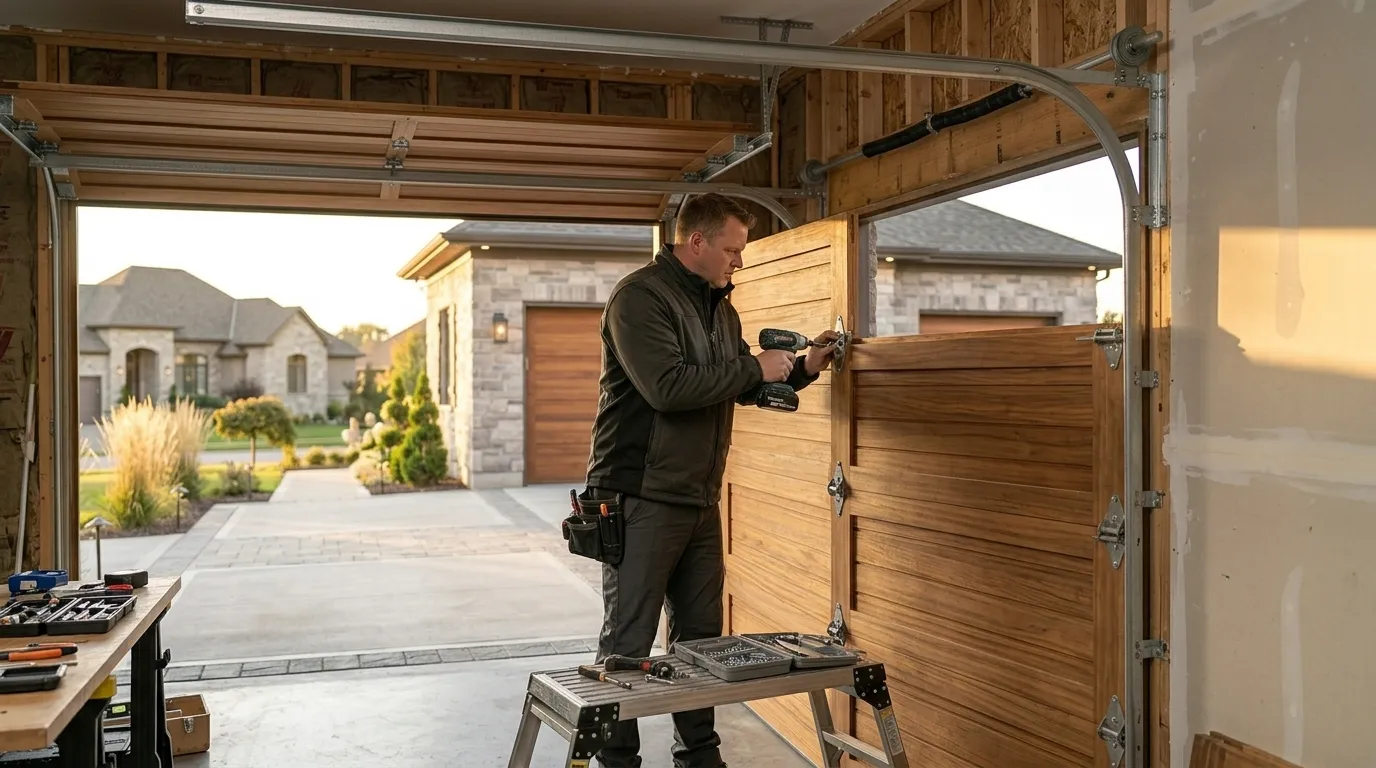
With roughly 8,652 households in Anthem and a median income of $117,846, most garage doors here are original builder-grade steel sectional doors - not custom or high-end units, but not bargain-bin either. That combination matters for parts: builder-grade doors from this era used common spring sizes and standard opener mounts, so replacement parts are usually available without a special order.
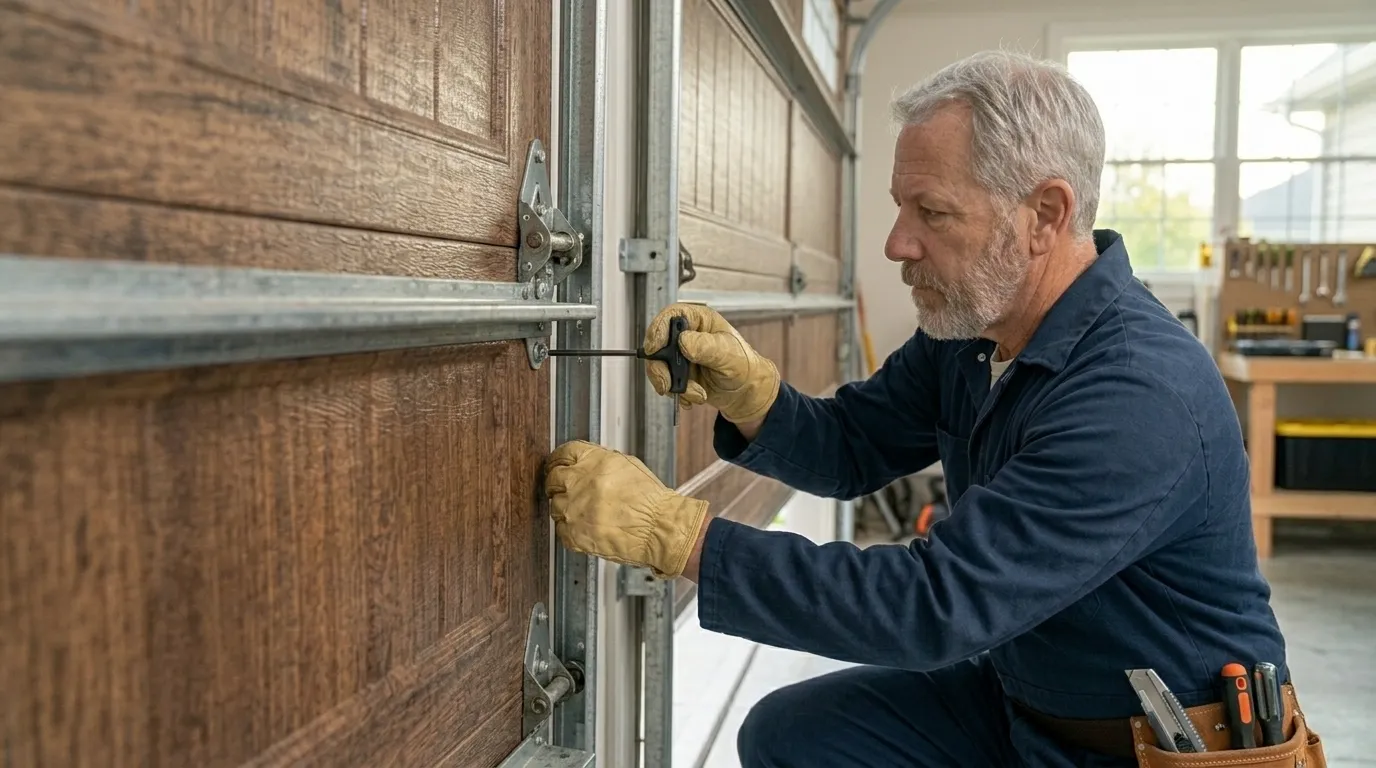
Where it gets specific is torsion spring sizing. A door built in 2004 was speced to a particular door weight, and if an owner has since added insulation panels or swapped to a heavier door face, the original spring is now undersized and wearing out faster than it should. We check for that mismatch before quoting a straight spring swap, because putting the same spring back on a door that's since gotten heavier just resets the clock on the same failure.
At 19 miles out from our Phoenix location, we plan the trip as a full job - diagnosis and repair in one visit where the parts allow it, rather than a separate estimate trip.