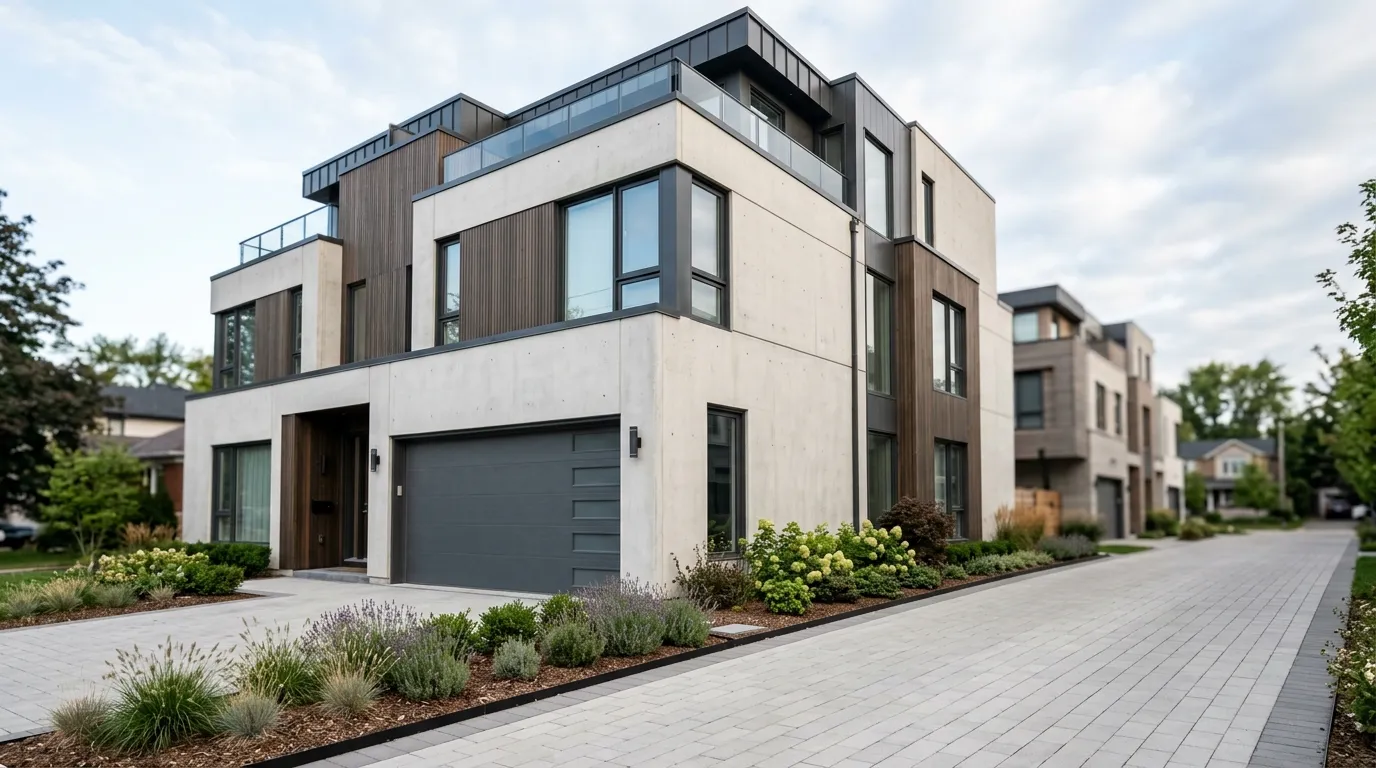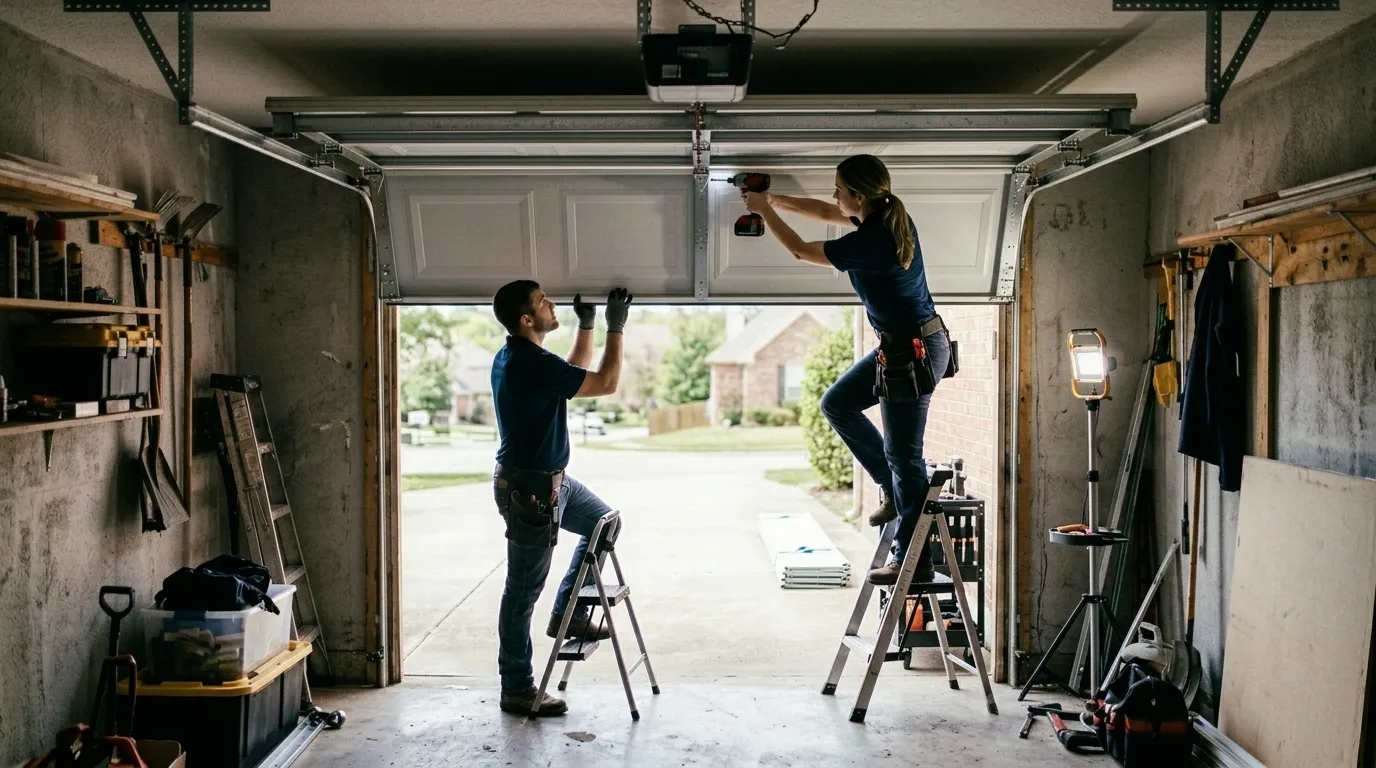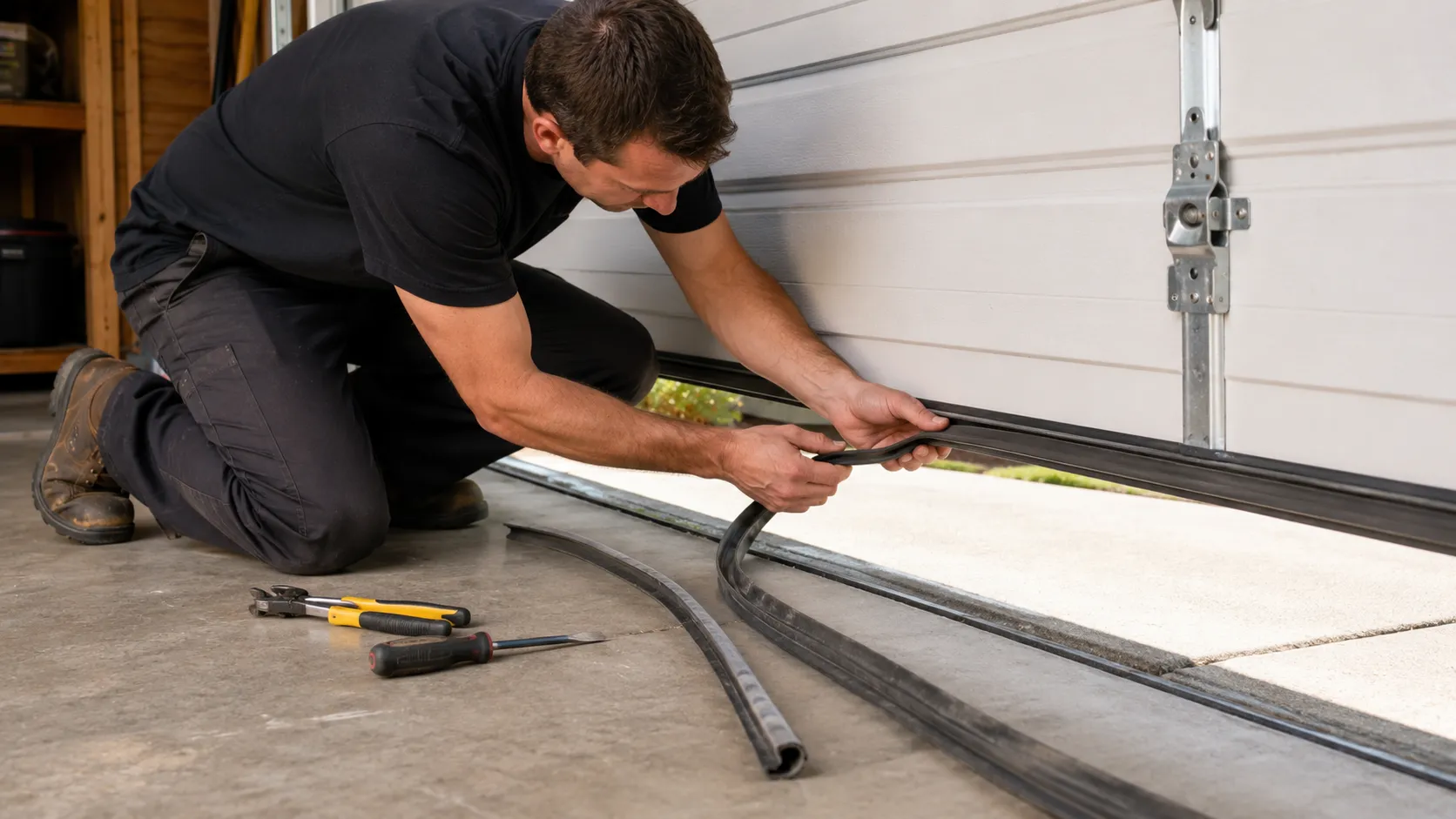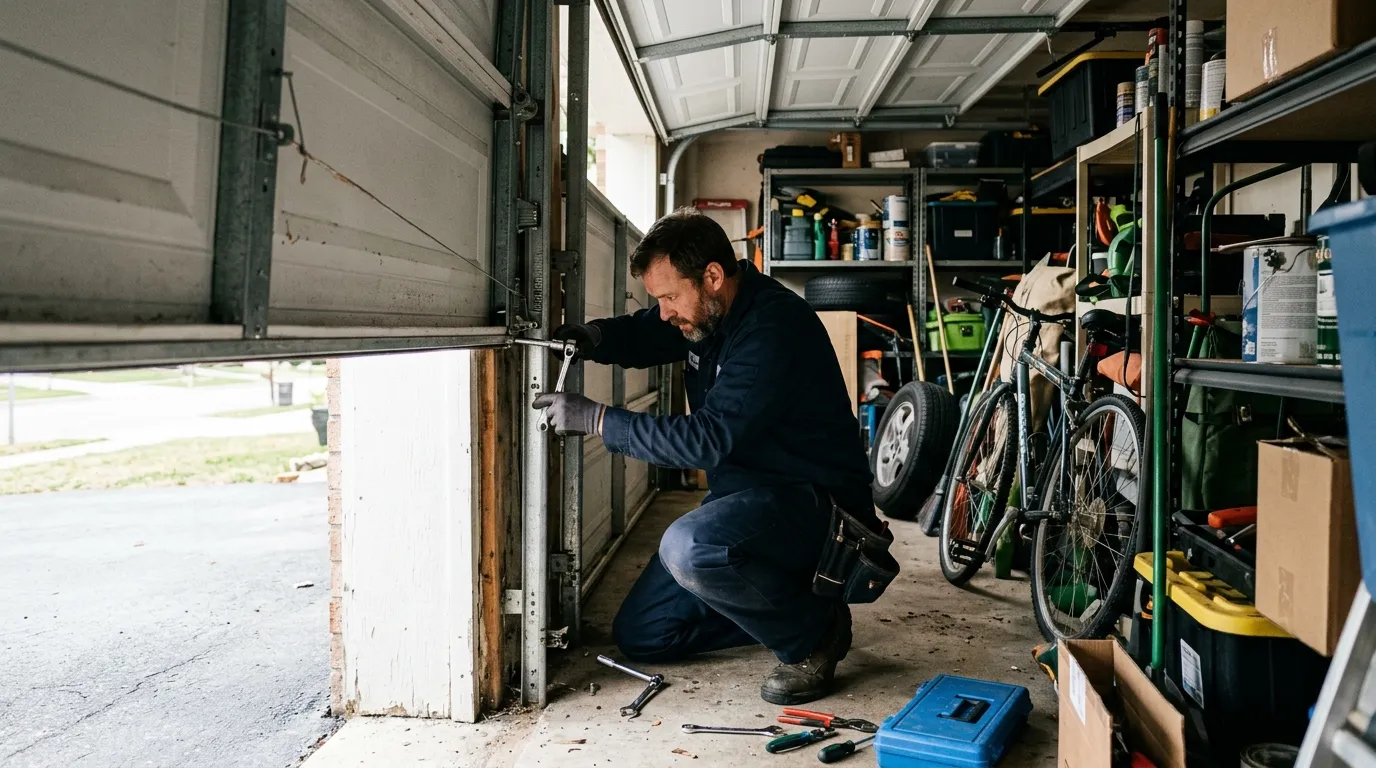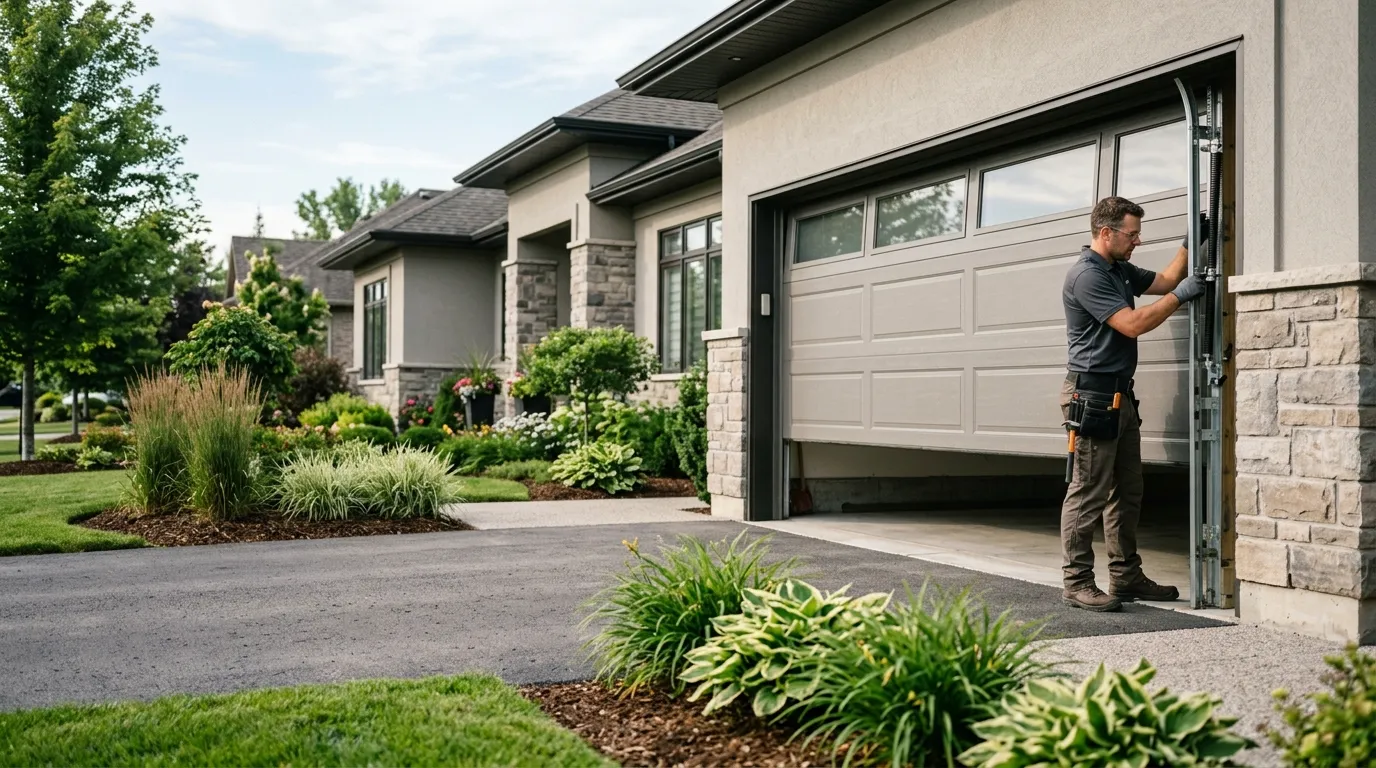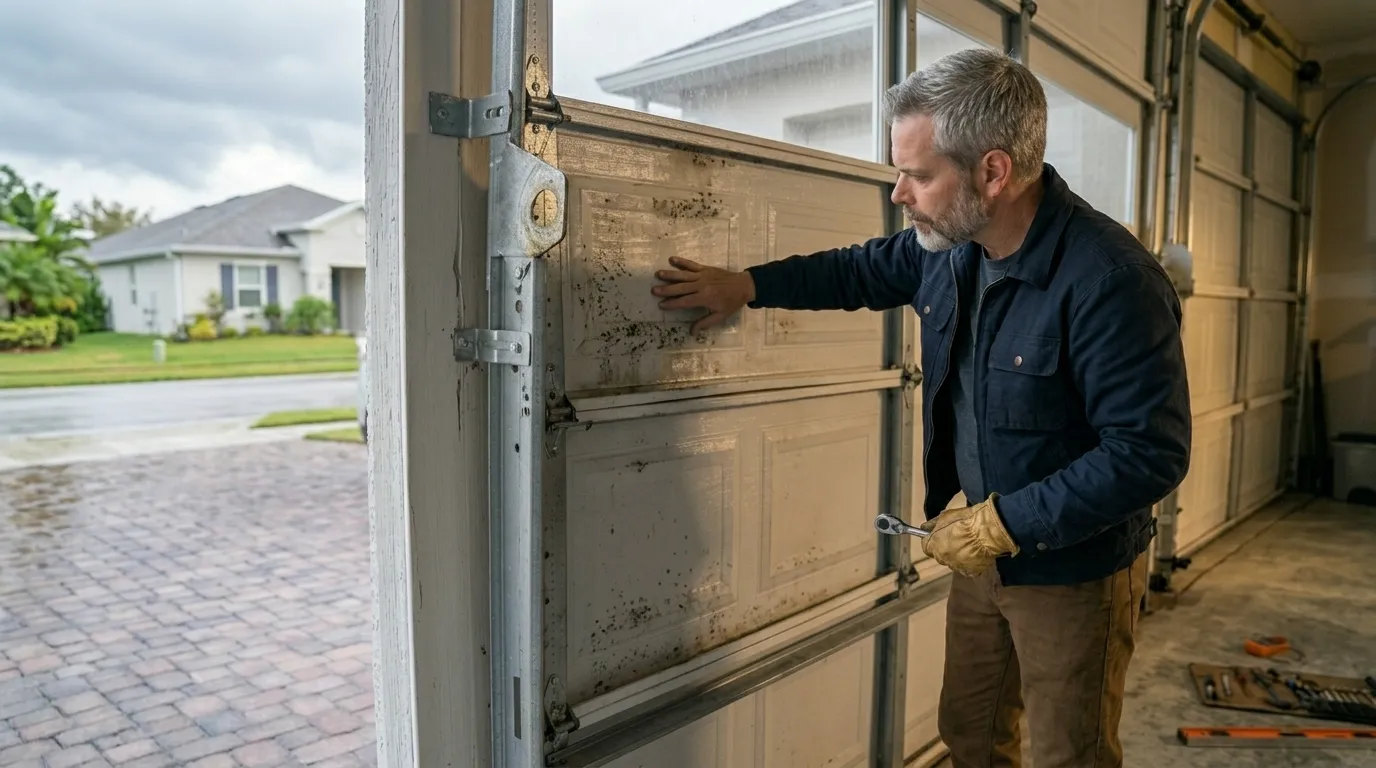
What You Are Seeing
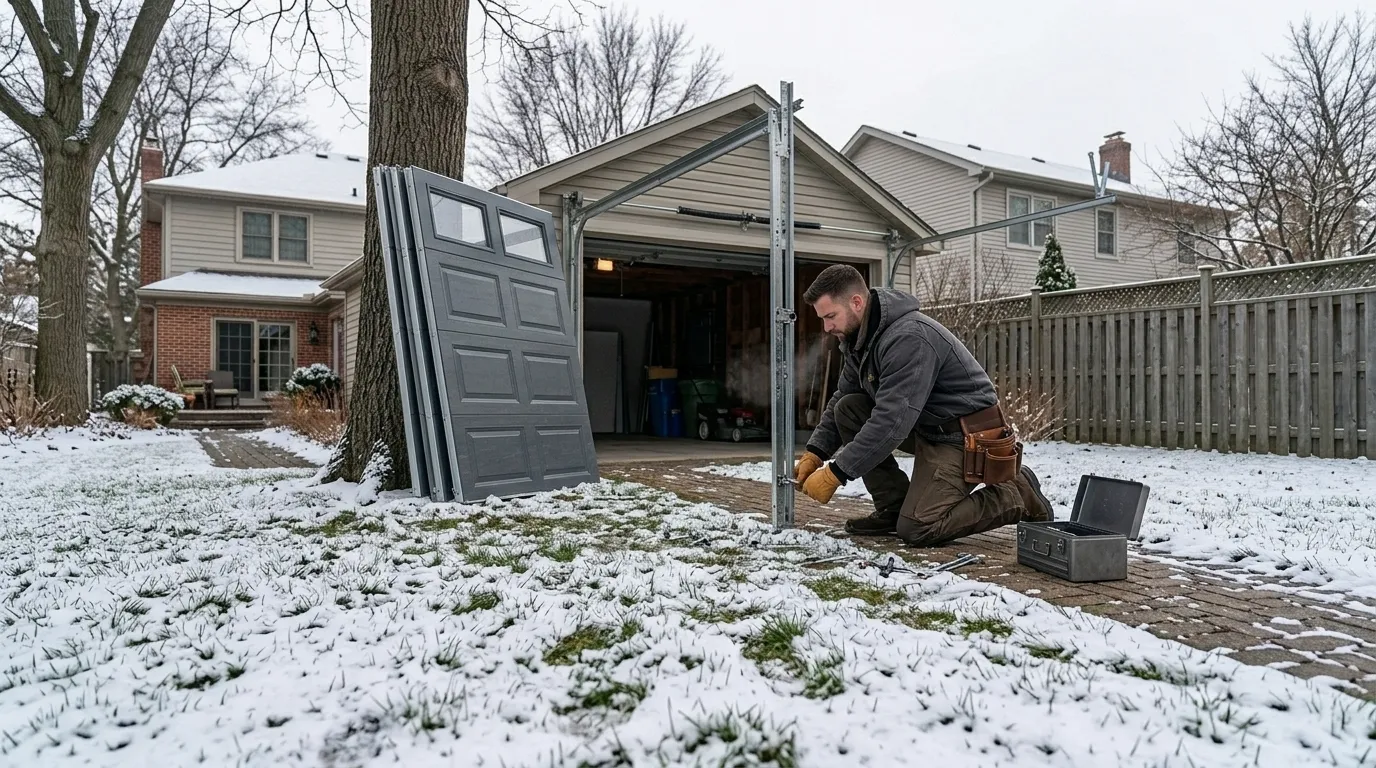
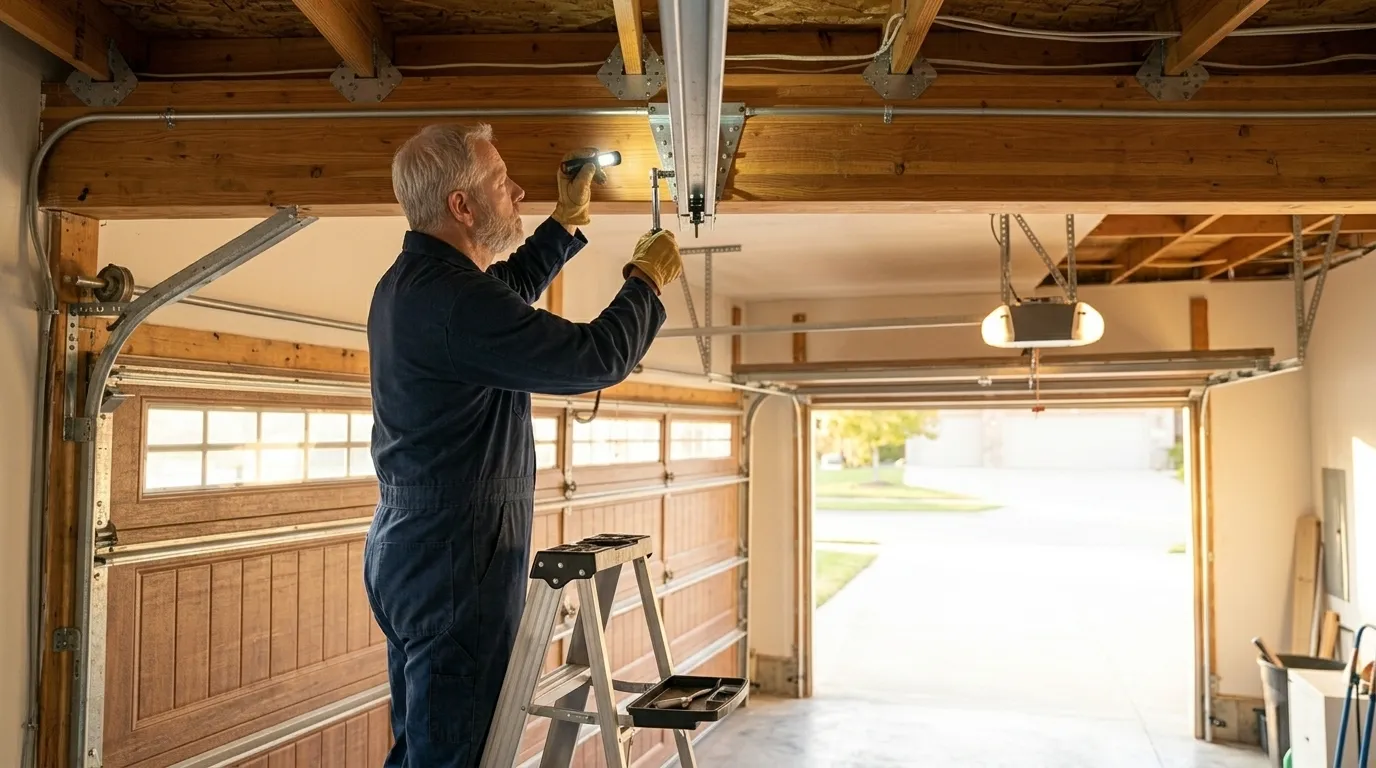
Paradise Valley sits in a stretch of Arizona with a severe-heat climate rating, and that heat is hard on commercial door hardware in a specific way: steel expands and contracts every day through the summer, torsion springs fatigue faster under that daily cycling, and nylon rollers on older track get brittle and start chipping. If your door is dropping fast on the way down, or the opener strains and reverses before it seats, that's usually a spring that's lost tension rather than an opener problem. Photo-eye sensors that were fine all winter can start throwing false readings once panel temperatures climb - dirt and heat haze both fool the beam. On a building from the 1985 era, we also see galvanized track that's pitted from decades of sun, which throws the rollers off line and makes the door bind partway up. None of this is unique to any one property; it's what happens to a door assembly built to a 1980s spec that's been running through Arizona summers ever since.
The DIY Question
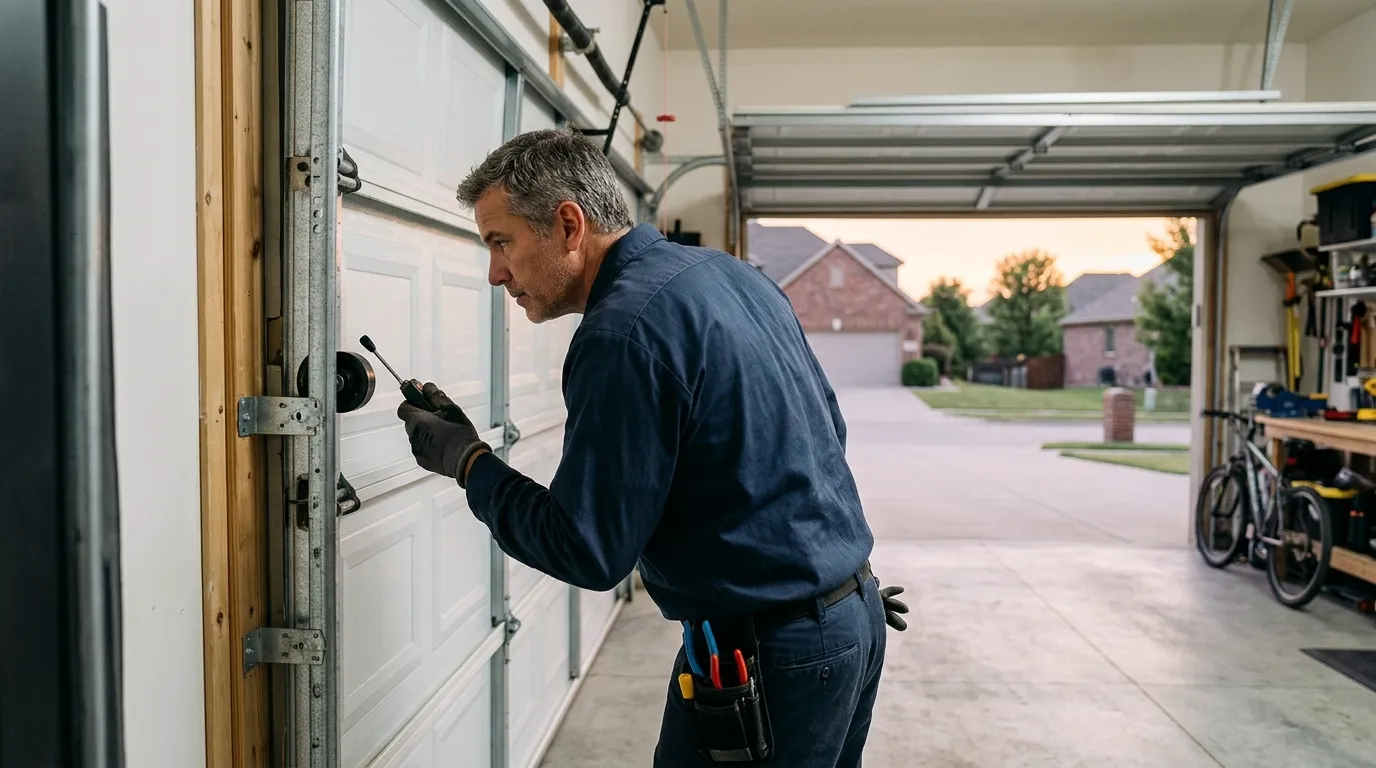
A commercial door is not a homeowner project, and I'll say that plainly. These doors run heavier gauge steel, higher-tension springs, and openers rated for cycle counts that residential units don't touch - a torsion spring under load that lets go while someone's hands are on it can break bones. If the issue is a dead remote or a stuck sensor, sure, check the batteries and wipe the sensor lenses first; that's a five-minute fix and it solves more calls than people expect. Past that - spring tension, cable replacement, track alignment, opener logic boards - it's not worth the risk or the property's downtime if it's done wrong. One honest limitation: if a door's spring system is original to a 1985 build and the coil size isn't something we stock, we may need a day to source the exact match rather than swap in a close-enough substitute that throws the balance off. We'd rather tell you that upfront than guess and have you calling back in a week.
What Is on the Truck
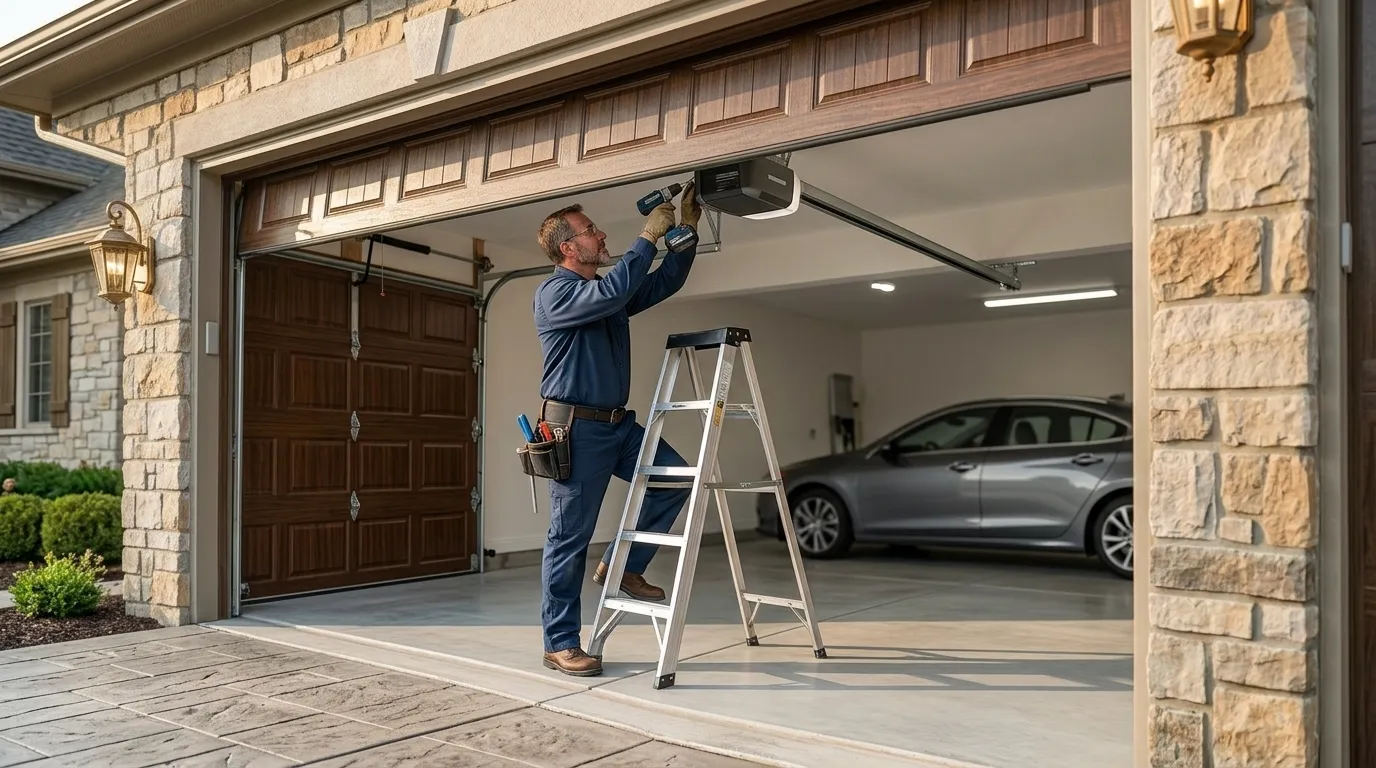
Given the income level in Paradise Valley - the area's median household sits well above the roughly $74,764 median across our wider Phoenix service area - we see more properties that have already upgraded to higher-cycle openers and insulated panel doors than the 1985 baseline would suggest, and we stock parts for both generations rather than assuming one. That means standard torsion springs plus a range of coil sizes for older jackshaft setups, photo-eye sensors in the common mounting styles, galvanized and nylon rollers, and drive belts and chains for both older chain-hoist units and newer belt-drive commercial openers. What we don't carry on every run is a replacement for a fully custom architectural door - full-view aluminum-and-glass units or anything built to a nonstandard opening - because those are typically special-order regardless of who's doing the work. If that's what's on your building, we'll confirm the spec before we quote anything.