What You Are Seeing
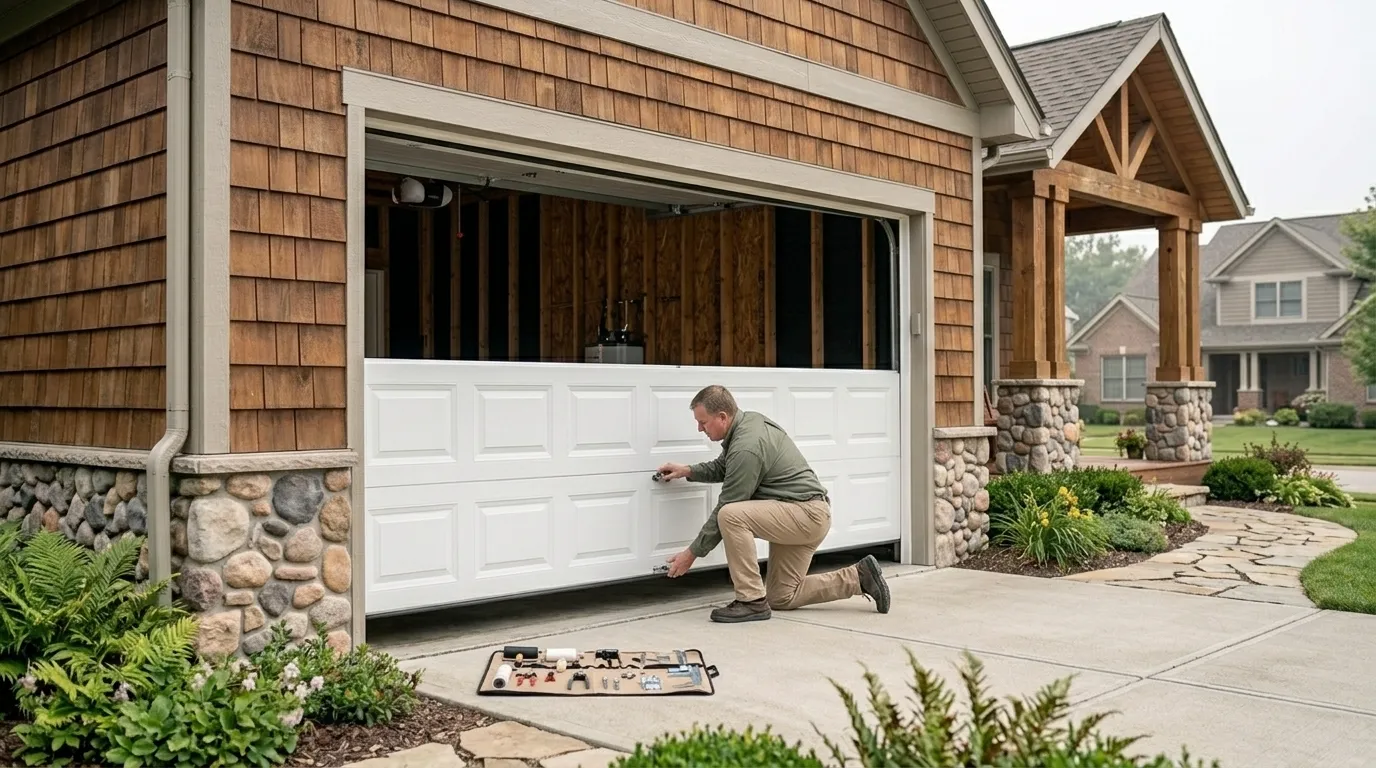
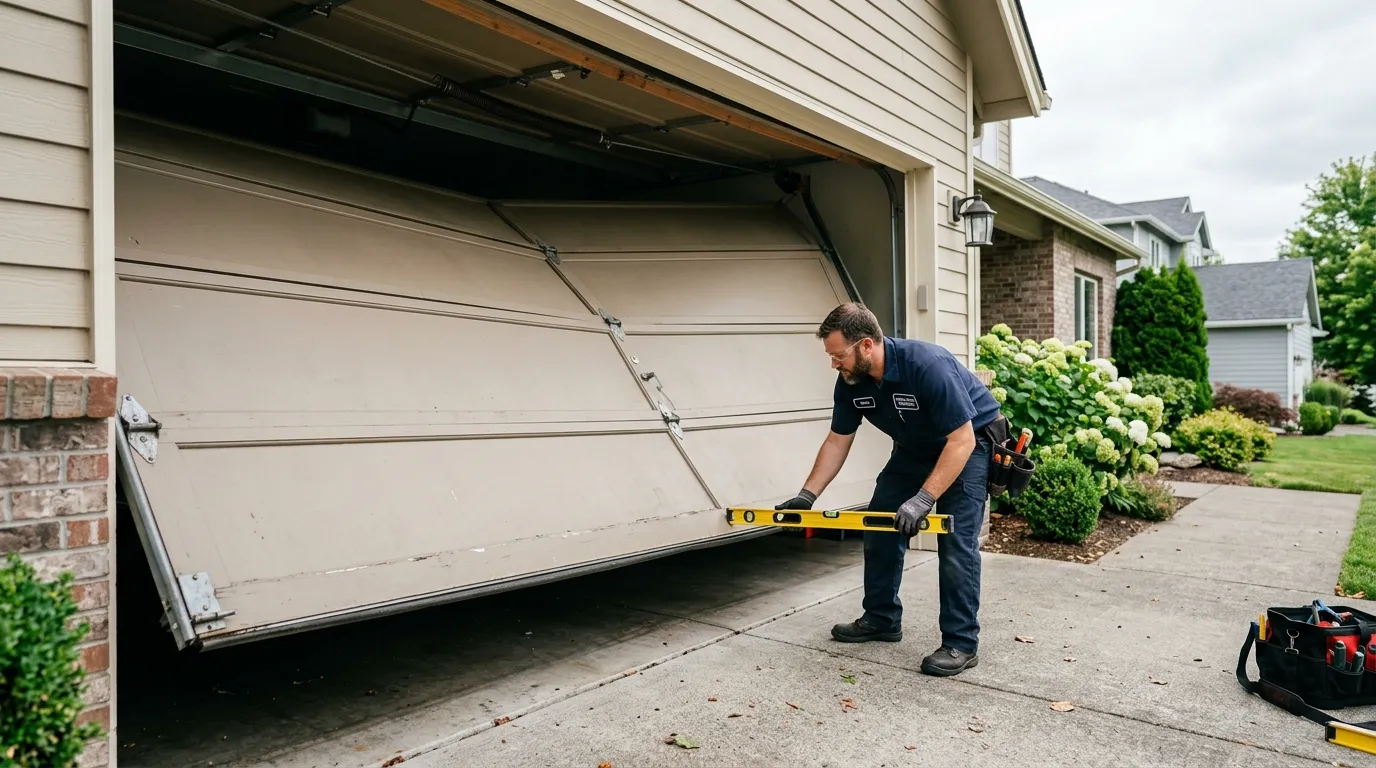
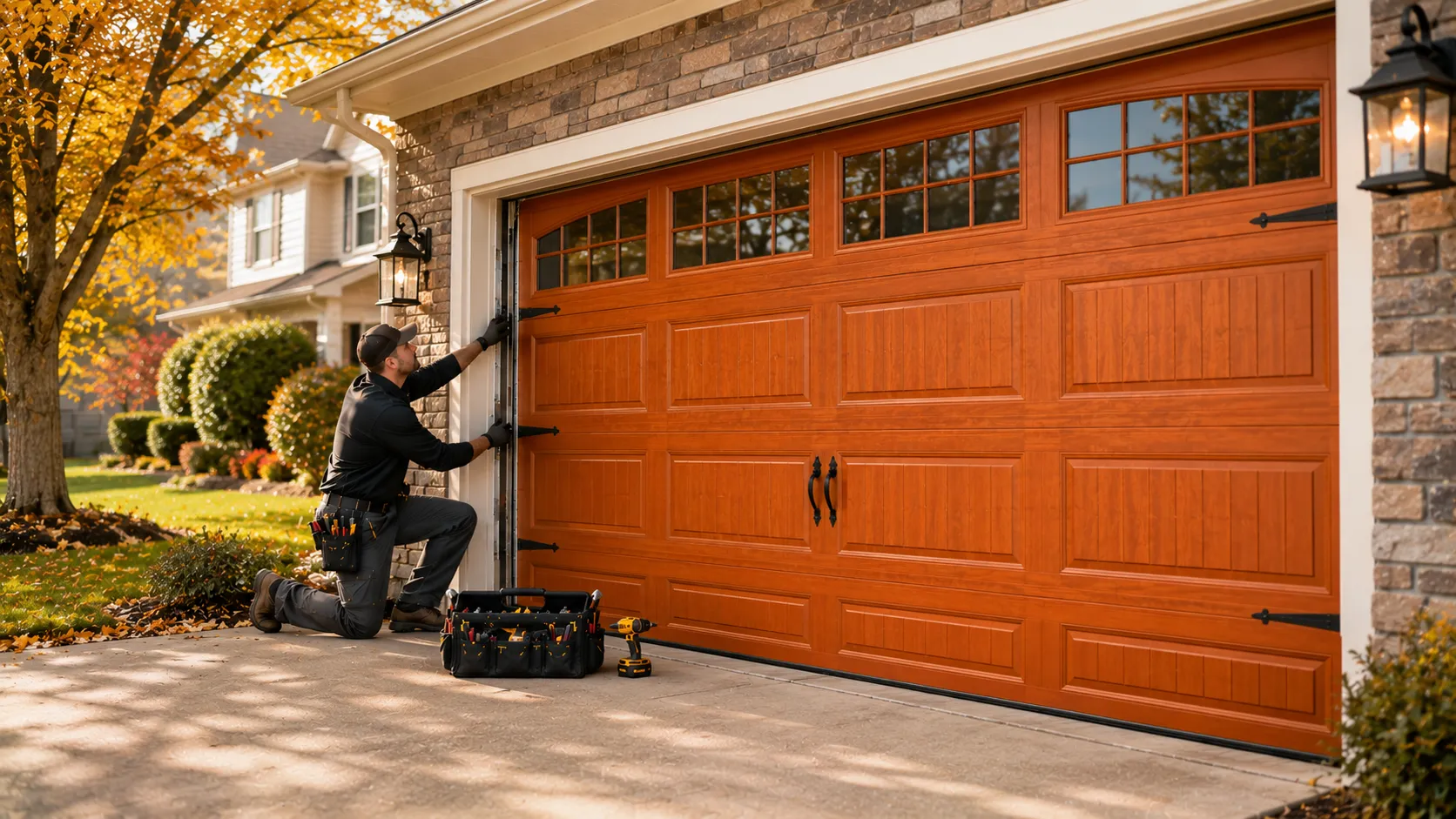
A door that's sagged in the middle, daylight showing at the top corners, or an opener that strains and reverses partway up are all signs the original 1985-era hardware has reached the end of its working life, not signs of a bad opener alone. Original hollow steel doors from that build era were never designed to shrug off the kind of sustained summer heat load that Phoenix's climate band throws at them year after year; the metal skin expands and flexes more than the foam-core doors built since.
With around 4,972 households across Paradise Valley, a fair number of these original doors are aging out on a similar clock, since they went in during the same building push. If your panels are dented, your seals have gone brittle, or the door feels noticeably heavier to lift by hand than it used to, that's usually the foam core breaking down inside a 1980s-era shell rather than anything the opener can fix.
The DIY Question
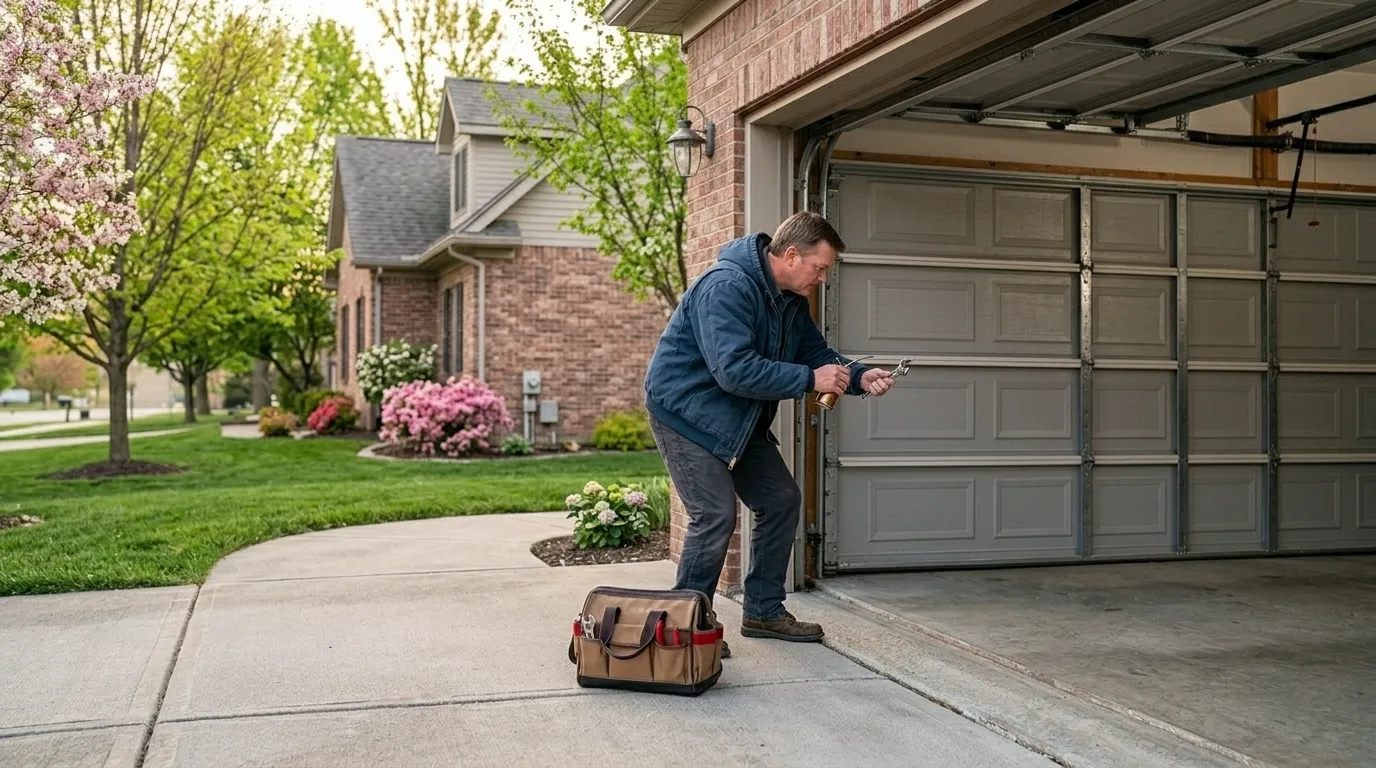
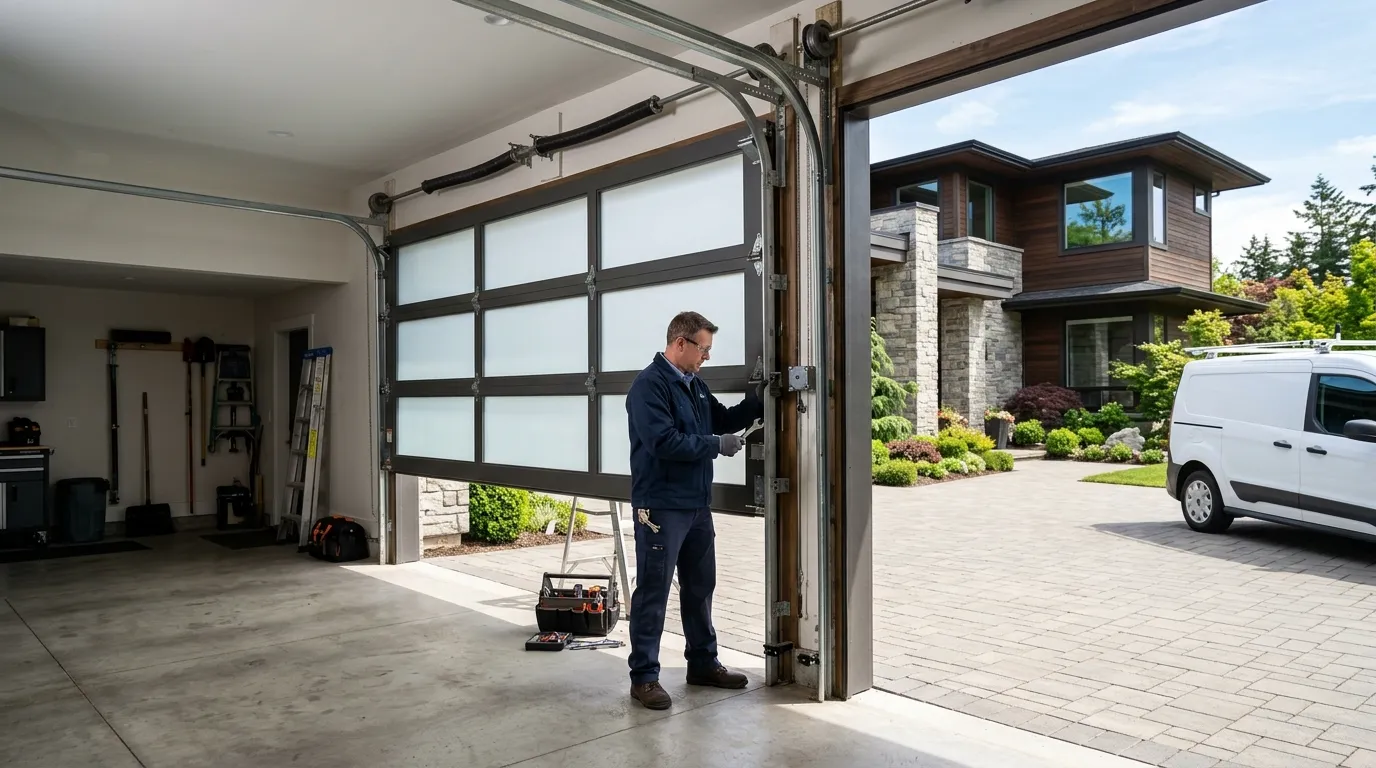
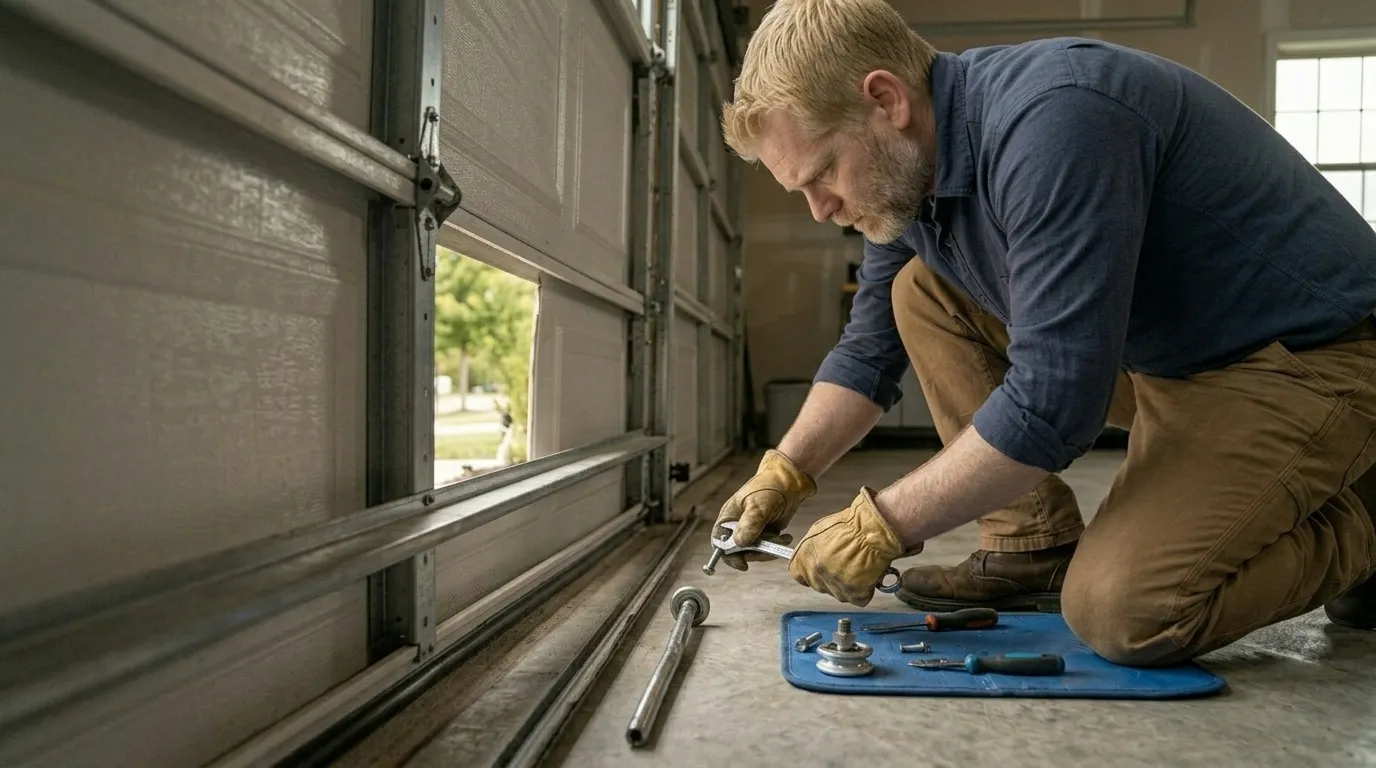
Swapping a garage door yourself is not the same job as changing a light fixture, and the honest answer is that most homeowners shouldn't attempt the spring and cable work themselves. A wound torsion spring under tension can cause a serious injury if the winding bars slip, and on a heavier insulated door - which is what most Paradise Valley quotes end up being, given the income profile here - the springs carry more load than the lighter doors this hardware replaced.
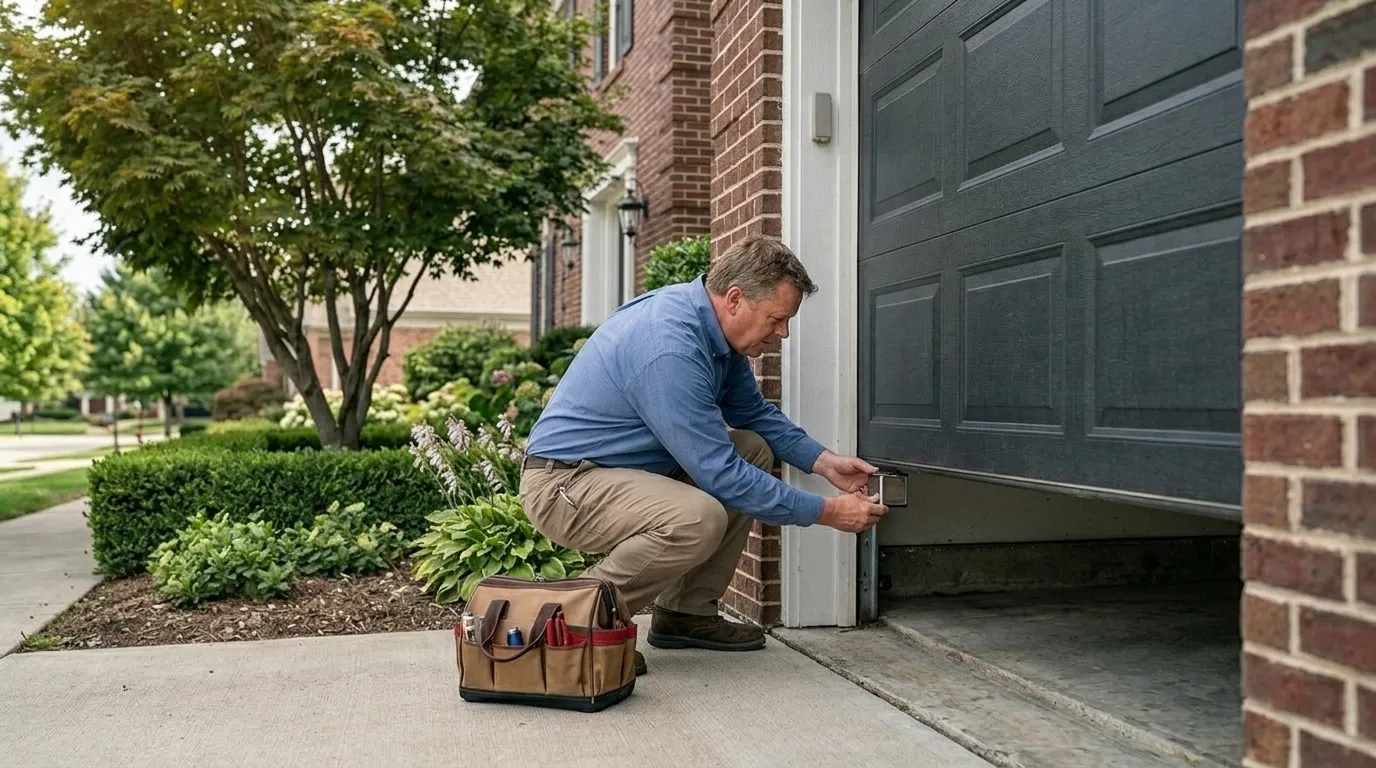
Where DIY does make sense is cosmetic: painting an existing door, swapping weatherstripping, or adding a keypad to an opener that already works fine. We won't talk anyone out of that. But full door replacement means matching spring size to the new door's weight, setting new track plumb against a jamb that's forty years old, and calibrating an opener's force settings correctly - get that wrong and you've got a door that slams down on a car bumper or a kid's bike, not a door that just looks bad.
What Is on the Truck
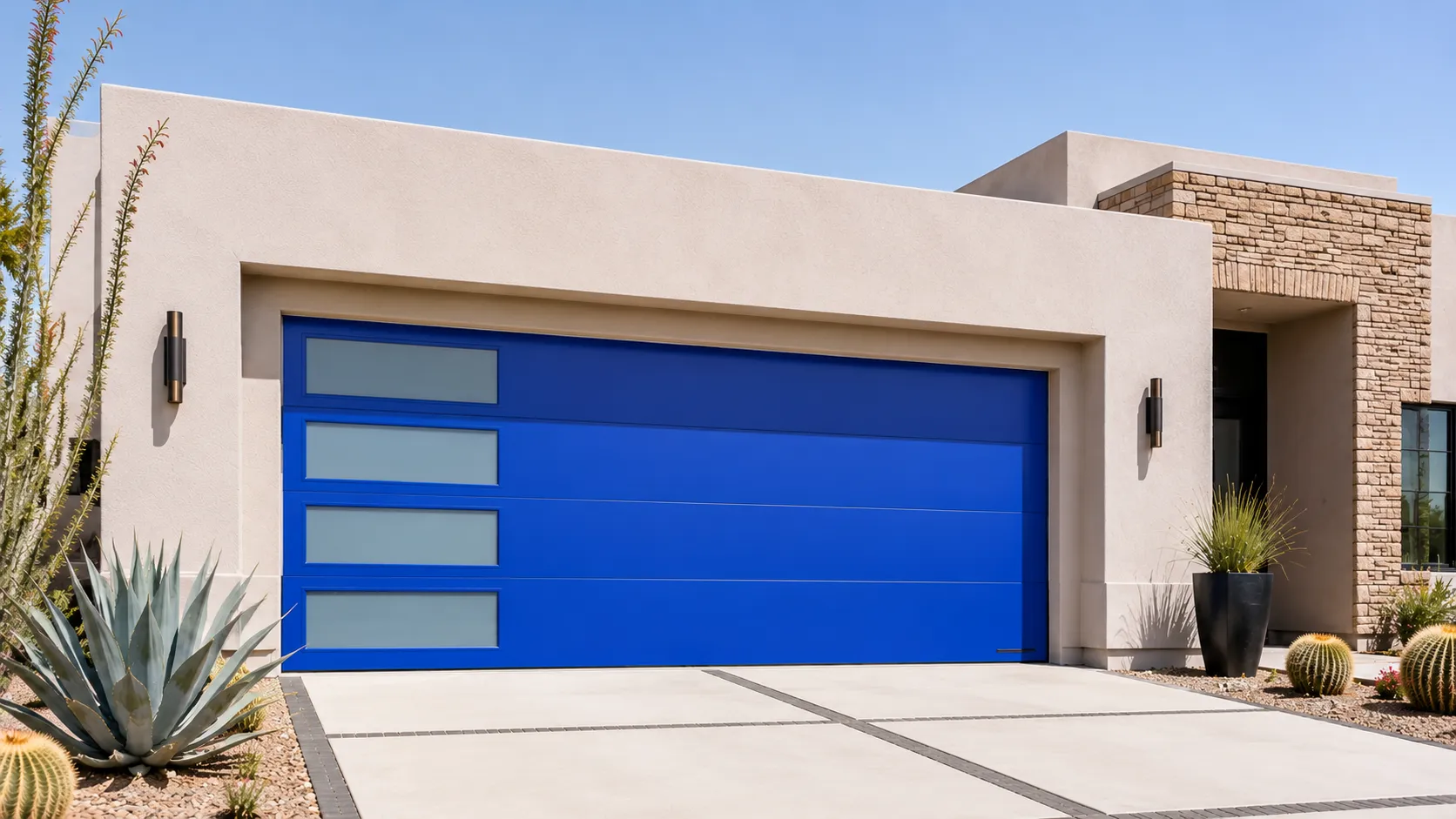
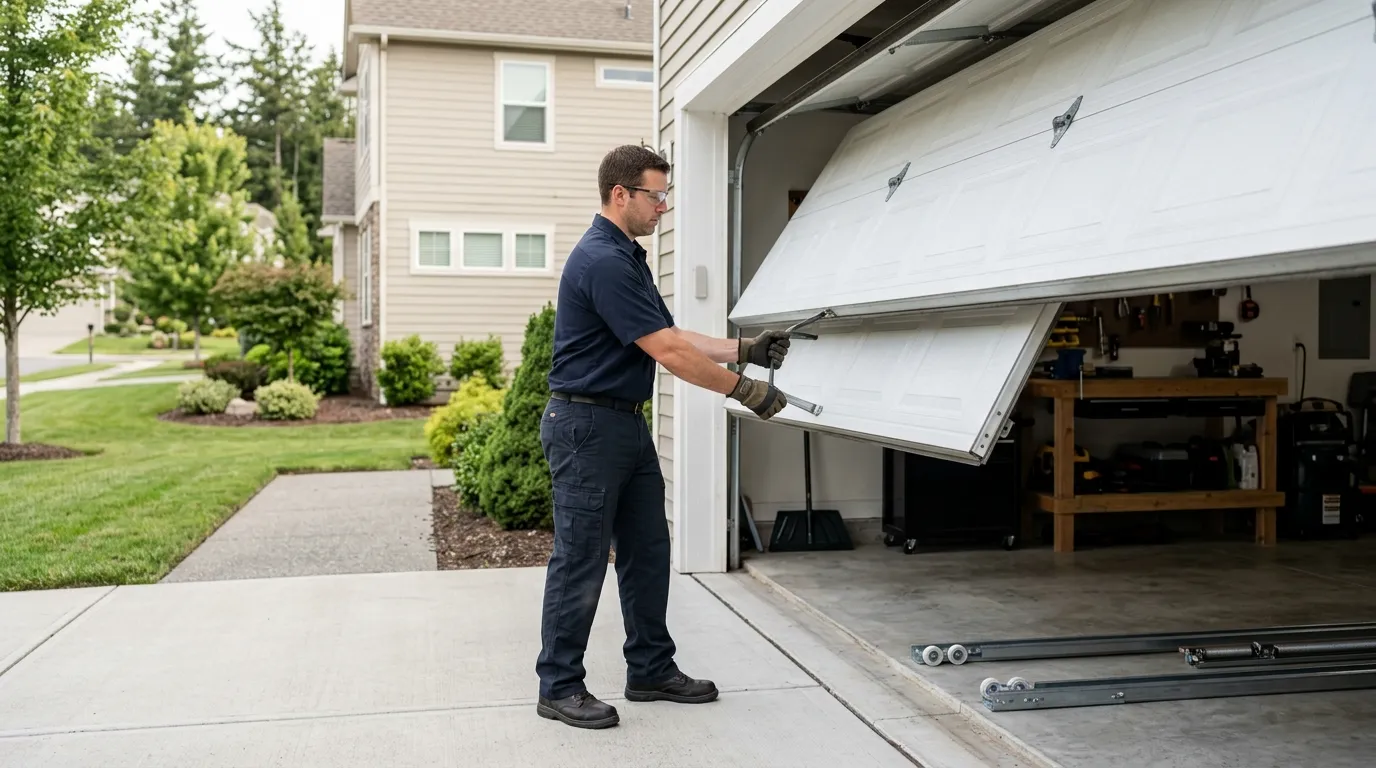
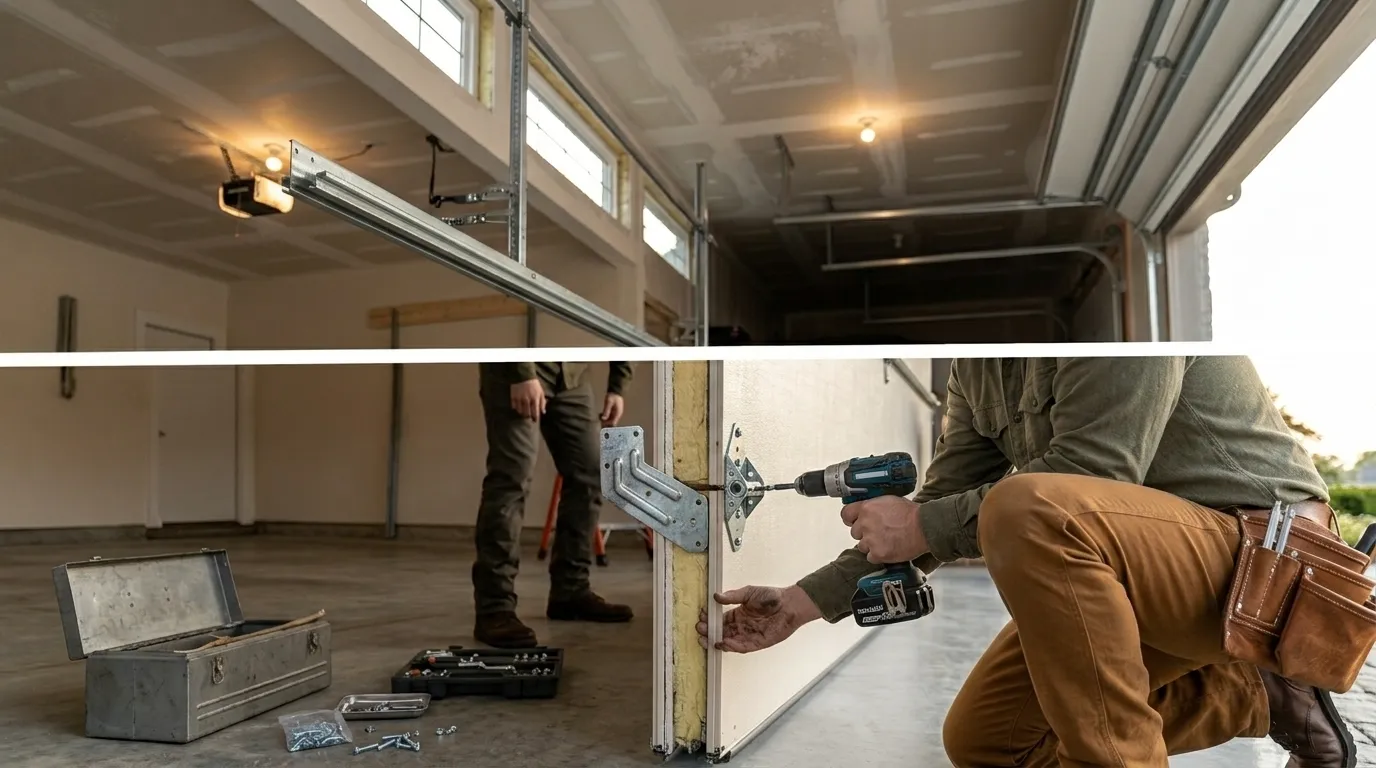
For Paradise Valley jobs, the truck usually carries insulated steel doors in the weight classes that match this area's older jamb construction, along with the heavier torsion springs and reinforced end brackets those doors need. Given how often quotes here land on insulated or clad panels rather than bare steel, the crew stocks the R-value cores and matching header seals that go with them, not just the basic weatherstrip kit.
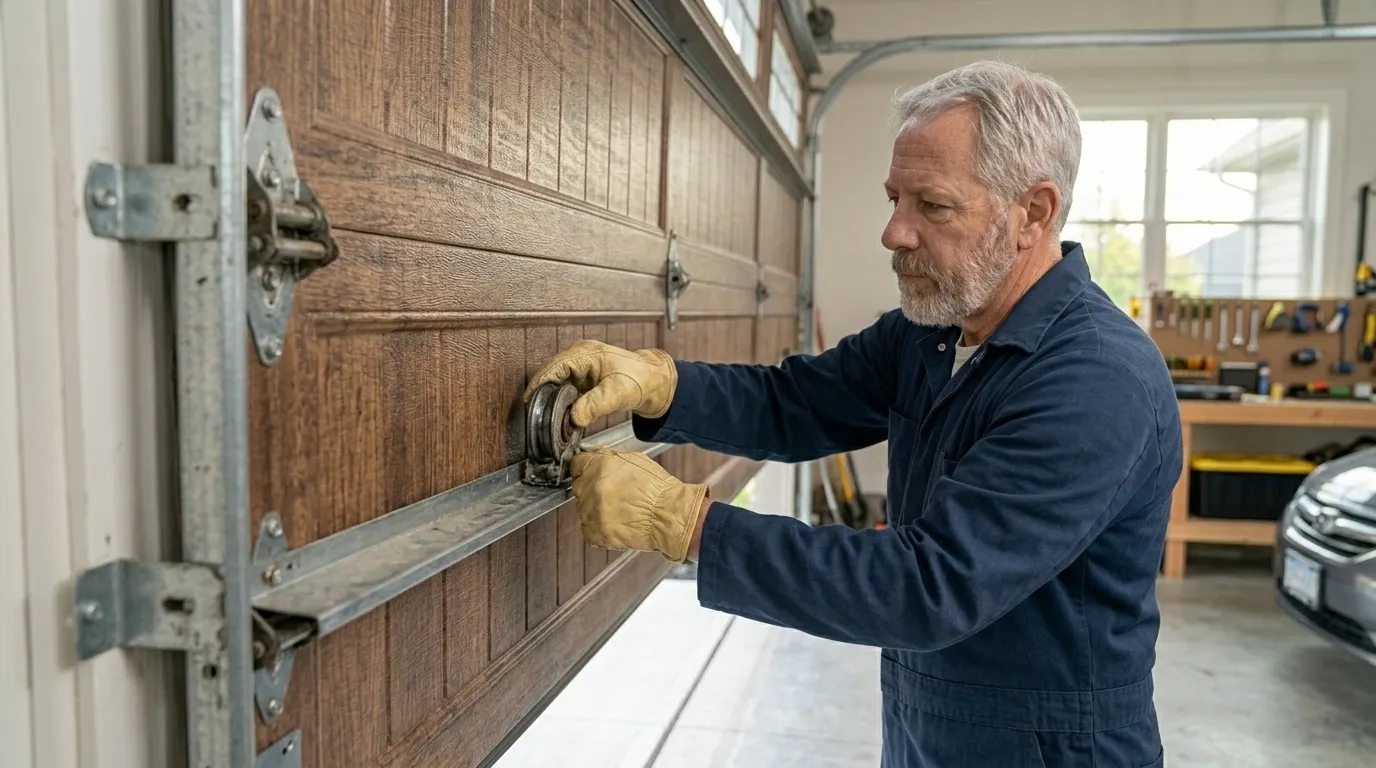
Because the climate here runs in the severe heat band, the nylon rollers and heat-rated lubricant we carry are chosen for that, not for a milder climate where a cheaper roller would hold up fine. What's not always on the truck is a replacement for a fully custom architectural door ordered to match a specific home's trim - those get special-ordered rather than kept in stock, and that's a limitation worth knowing before you set a same-day expectation for a job like that.