What Can Go Wrong
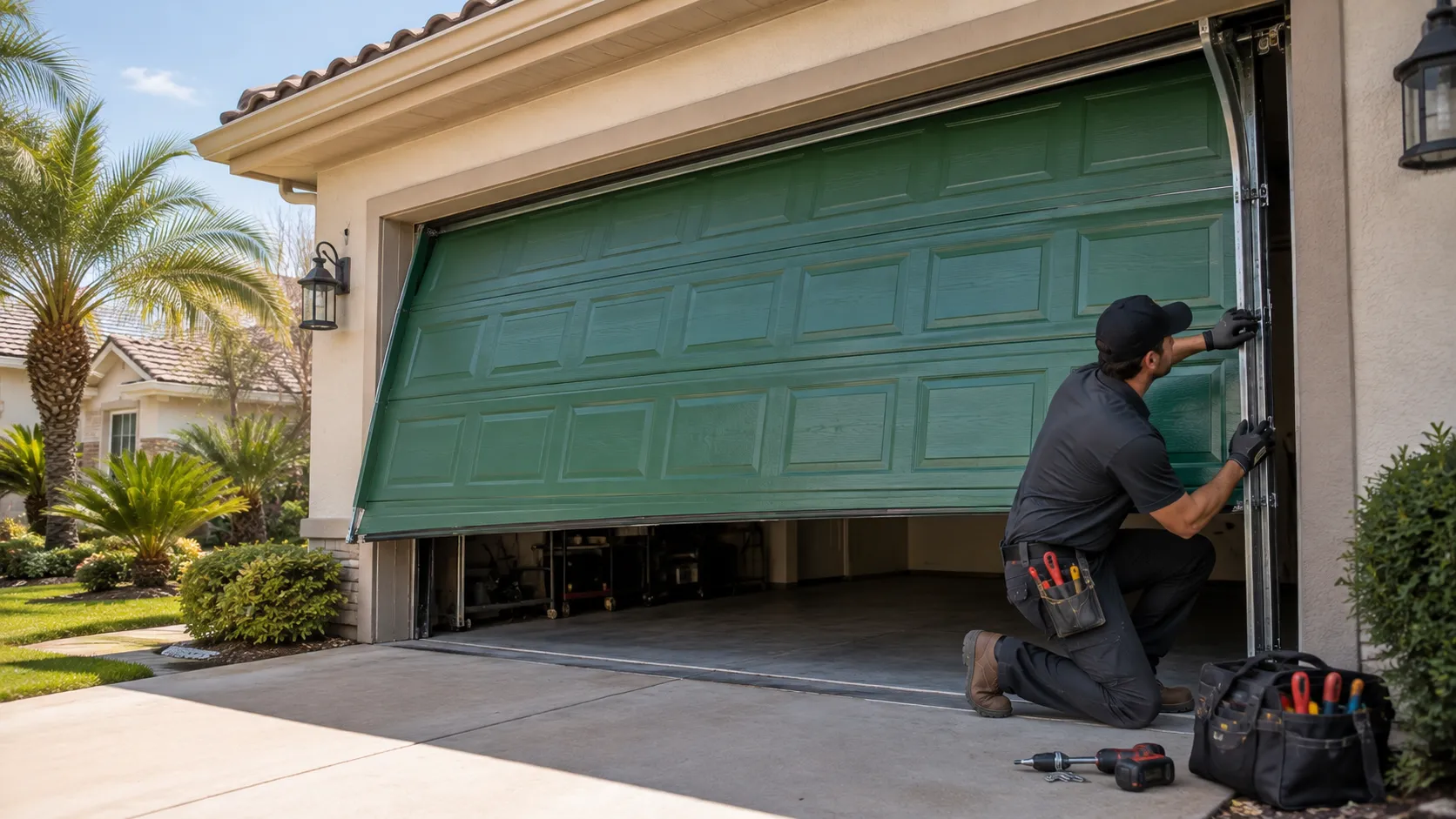
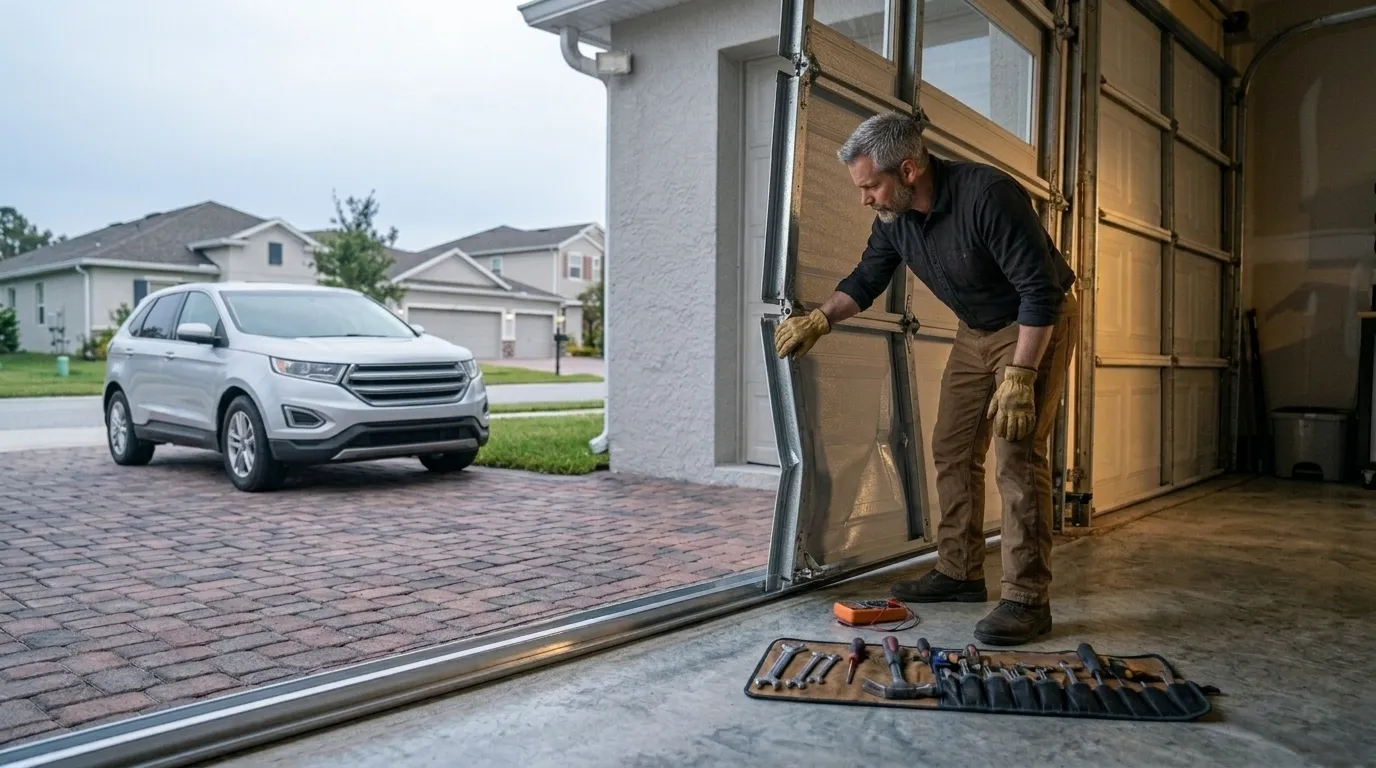
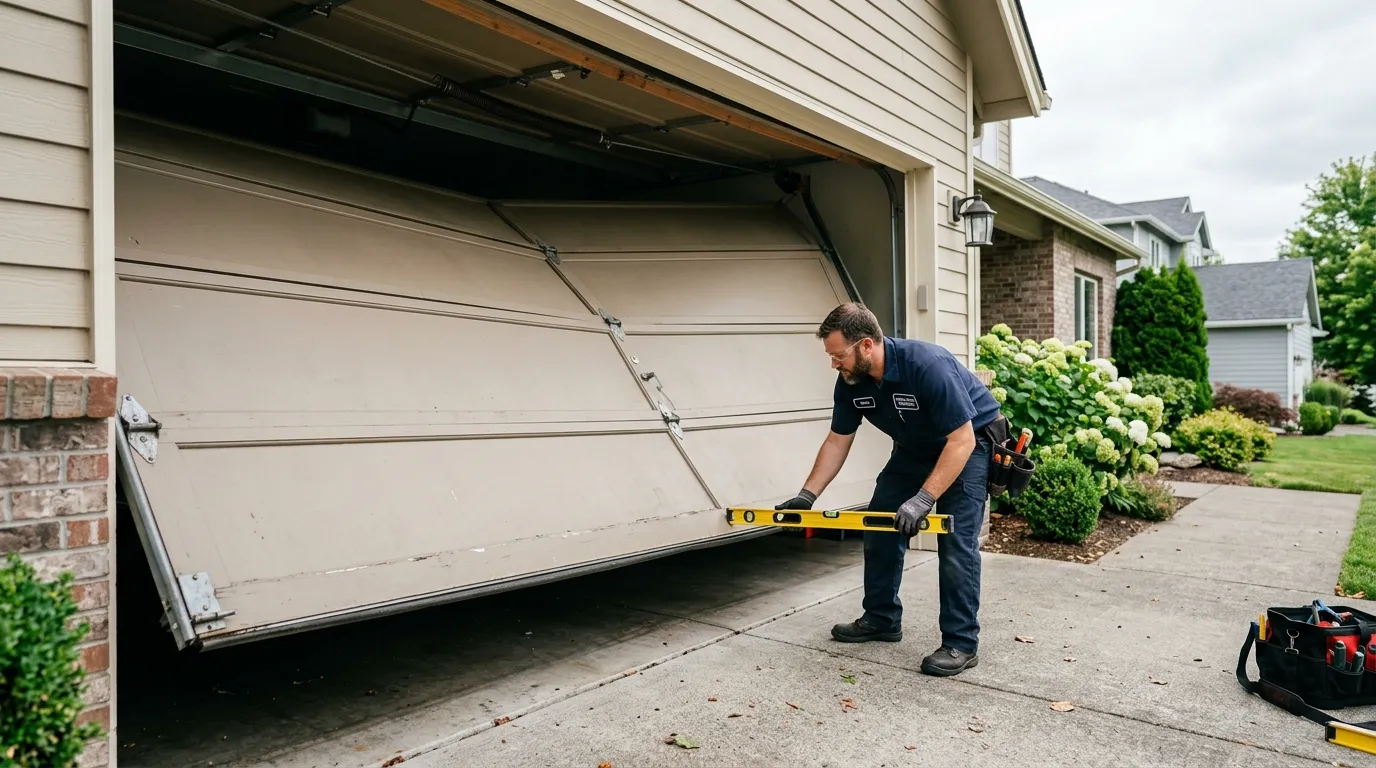
Most of what goes wrong with a garage door in Youngtown traces back to age and heat, not bad luck. A door built when the house was new in 1979 has been through roughly four and a half decades of triple-digit summers, and steel that old fatigues in ways that aren't always visible from the driveway. Springs lose tension faster than the panel shows wear. Tracks that were fine for a lighter, non-insulated door start to bind once weight or hardware changes.
The other common failure is mismatch: a homeowner replaces the opener but keeps the original 1979 track and hinges, or replaces the door but keeps a spring sized for the old, lighter panel. Both leave the system working against itself. In a climate this region sits in - officially rated for severe heat - a door that isn't sealed well also does real work against the utility bill, since heat gain through an old, ungasketed panel adds up over a full Arizona summer. None of this is unique to one house; it's a pattern that shows up across most of the older tract housing in this part of the service area, which is exactly why an install crew coming from Phoenix expects it before they even open the garage.
What the Repair Takes
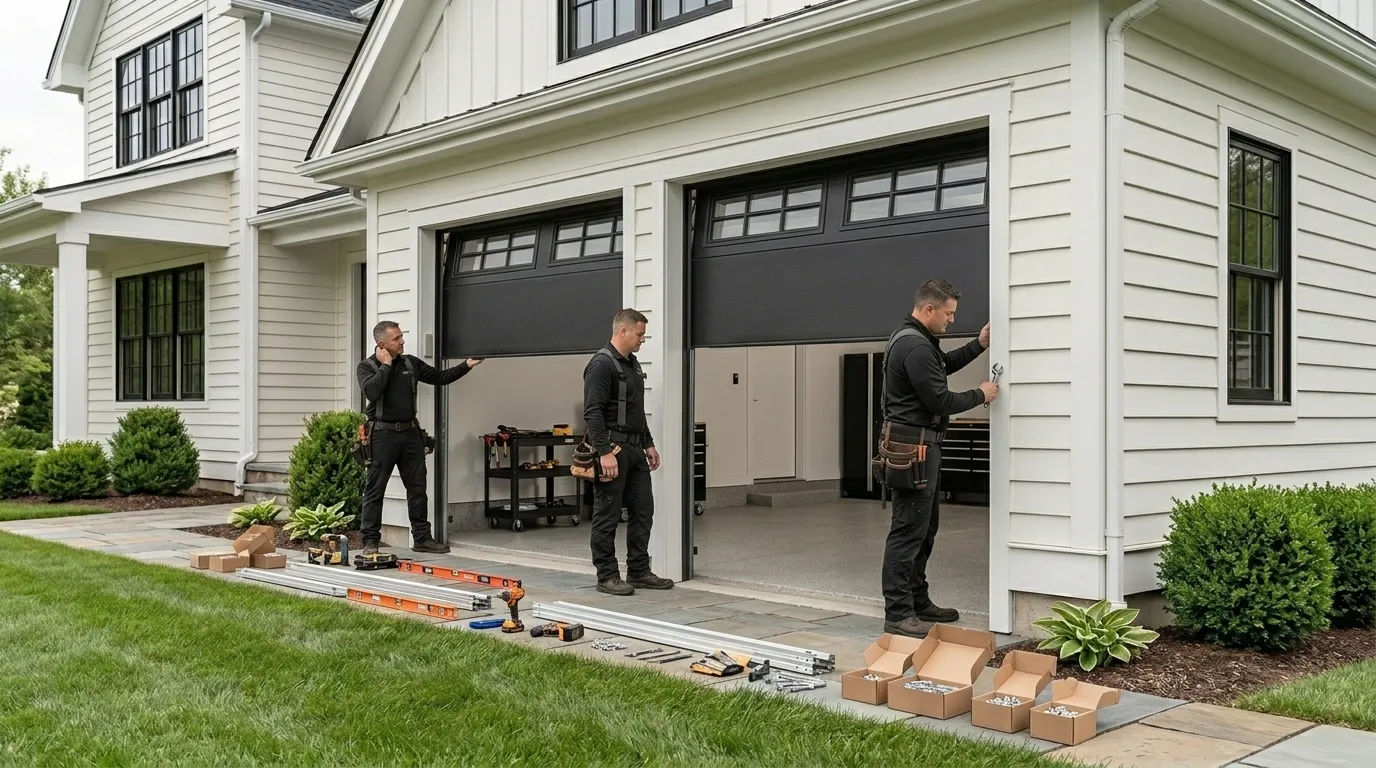
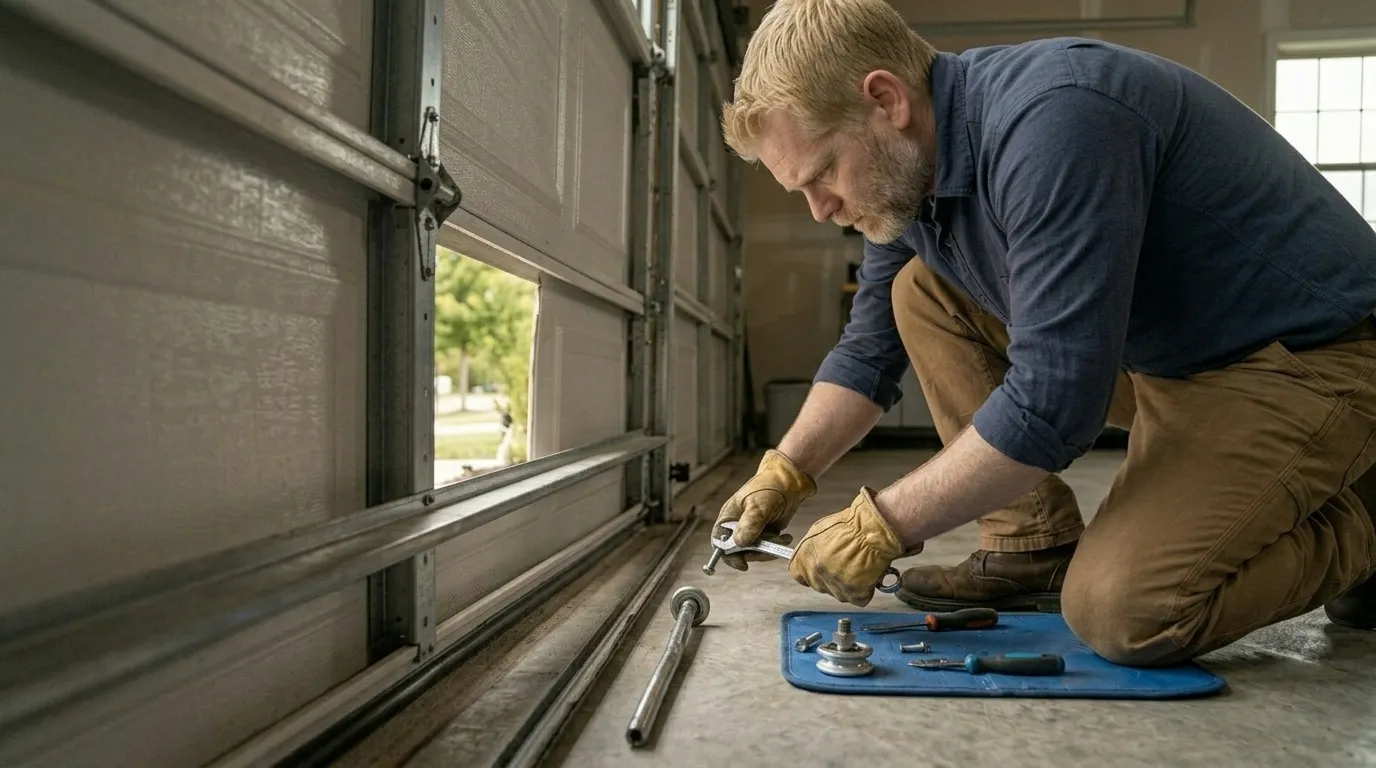
A full new-door install is more involved than a spring swap, and it's worth knowing what's actually being pulled out before the truck shows up. On a 1979-era garage, that usually means disconnecting the old torsion or extension spring system under tension, removing the track sections bolted to jambs that have shifted slightly over decades of settling, and checking whether the header above the opening still squares with a new door's track radius. None of that is guesswork the crew does on site - it gets confirmed against the actual opening.
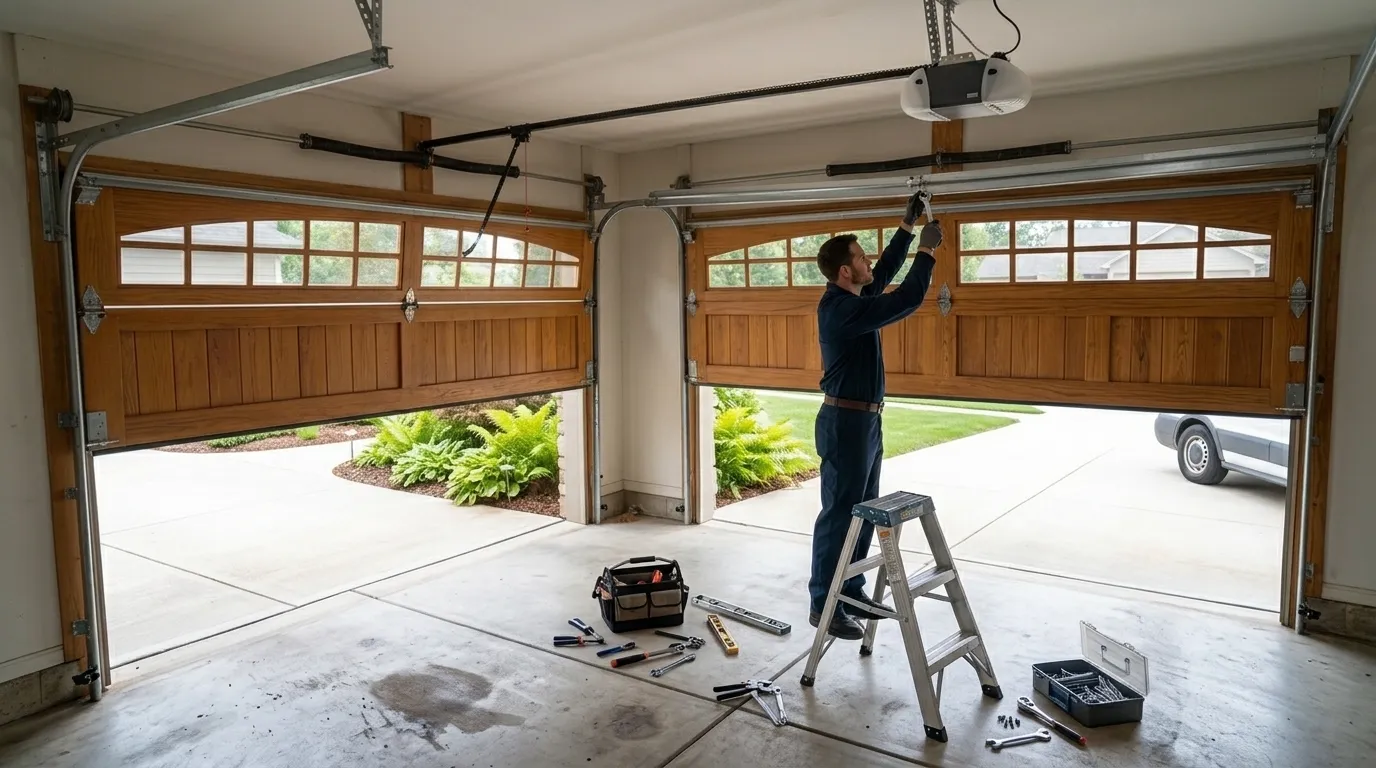
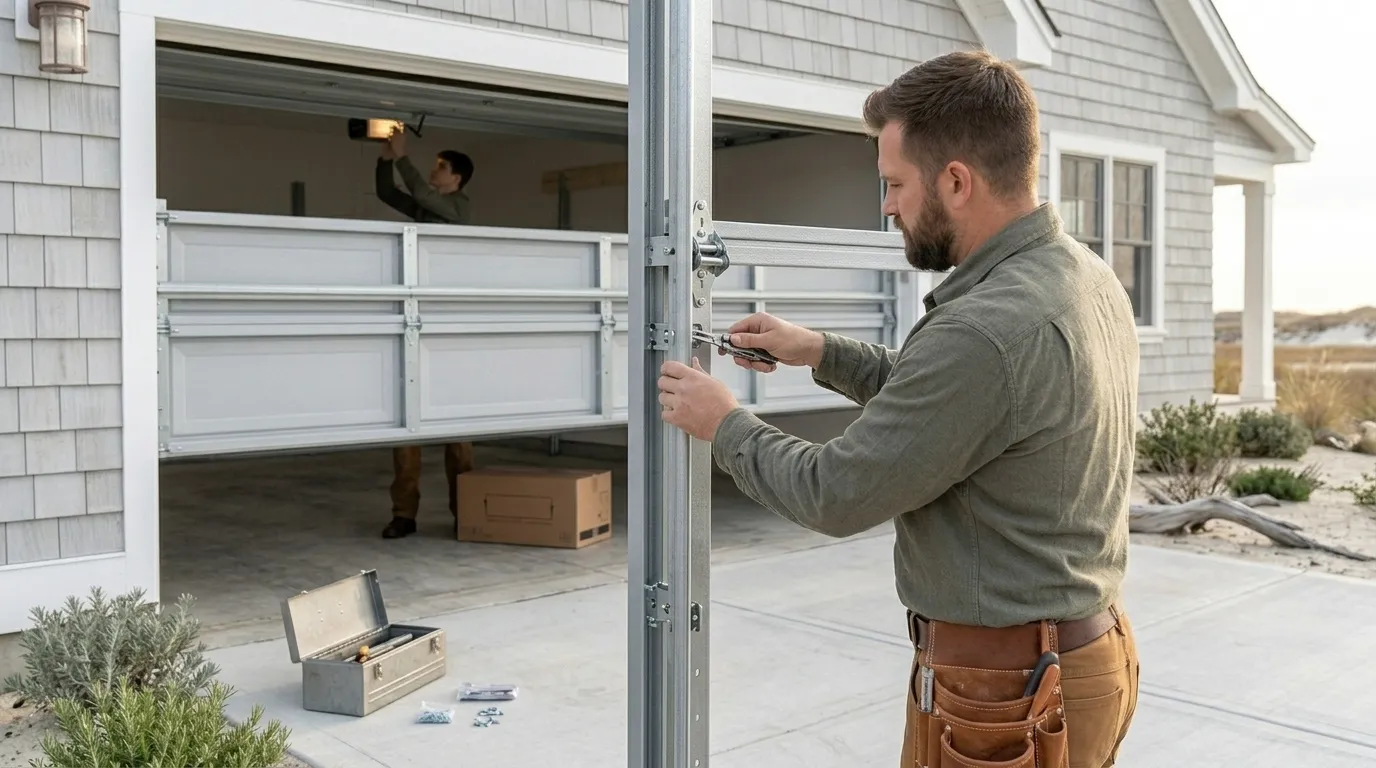
Once the old door and hardware are out, the new track gets set, shimmed, and leveled against a jamb that's rarely perfectly plumb after this many decades. The door goes up section by section, springs get set to the new door's actual weight, and the opener - new or existing - gets tested against travel limits and force settings before the job is called done. If the existing opener is more than a little older than the door, we'll say so rather than bolt a new door to a worn-out unit and call it finished; sometimes the honest answer is that the opener needs to come next, not as an add-on to the same invoice.
How Long It Takes
On the day itself, a straightforward new-door install - old door and track out, new door and track in, opener tested - typically runs a half day to a full day of on-site work, depending on whether the jamb needs extra correction or the opener is being replaced too. Add the drive: at twelve miles each way from Phoenix, that's built into the schedule as part of the appointment window, not an extra delay tacked onto the job.
Where it can stretch longer is exactly what shows up in older Youngtown garages more than newer construction elsewhere in the service area: a header that's out of square after decades of settling, or hardware that has to be cut free rather than unbolted. We tell homeowners up front if we spot that kind of thing during the initial look, rather than mid-job. Door and track availability can also add a day or two if a less common size is needed, since that isn't something a crew carries on the truck as standard stock.
How to Book
Booking a new install starts with a look at what's currently in the garage, since the age of a 1979-built door changes what a straight swap actually requires. If you're not sure yet whether the door needs full replacement or just a repair, our Youngtown garage door repair page covers what a repair visit looks like instead.
For the full range of installation options we run out of Phoenix, including door lines and opener pairings, see the main garage door installation page. To book a Youngtown visit specifically, tell us the door's approximate age and whether the opener is original - that's usually enough for the crew to bring the right hardware on the first trip instead of a return visit.