
What the Repair Takes
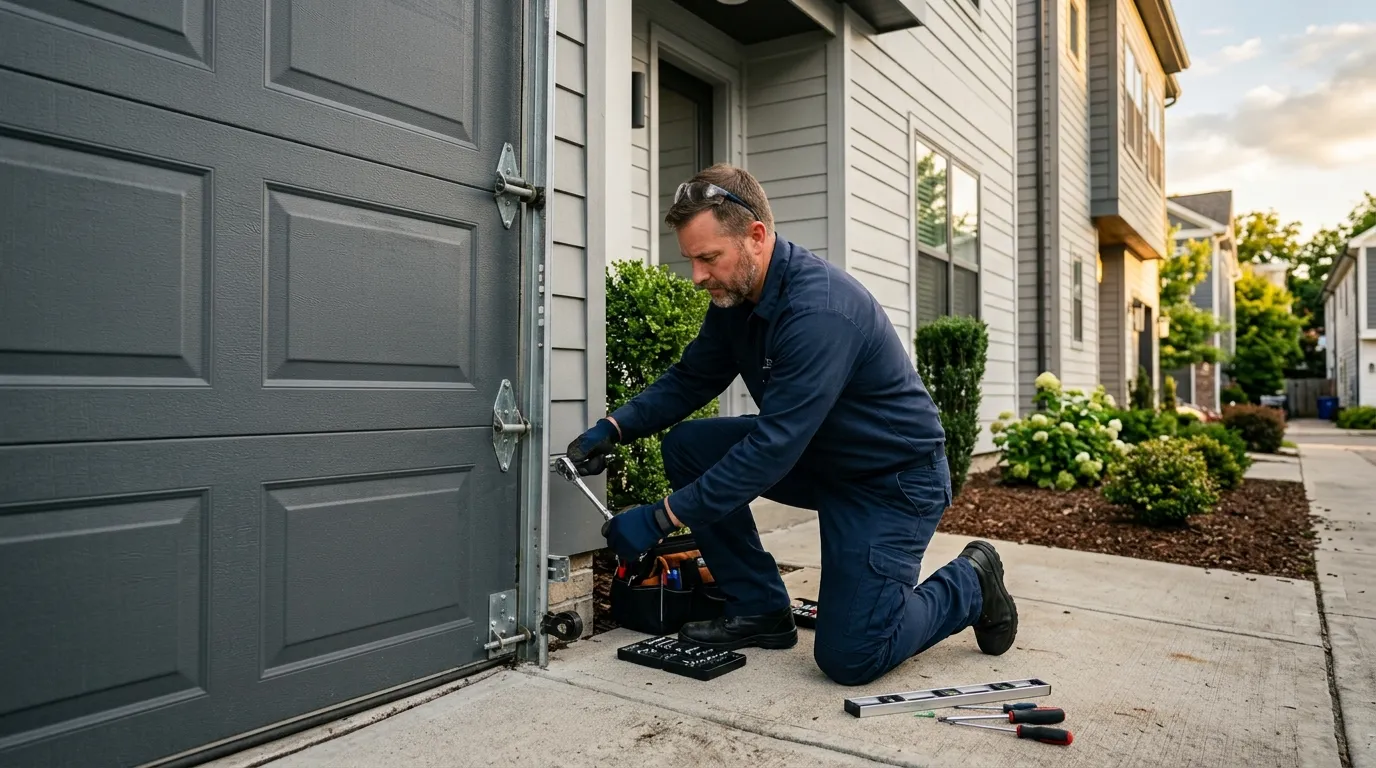
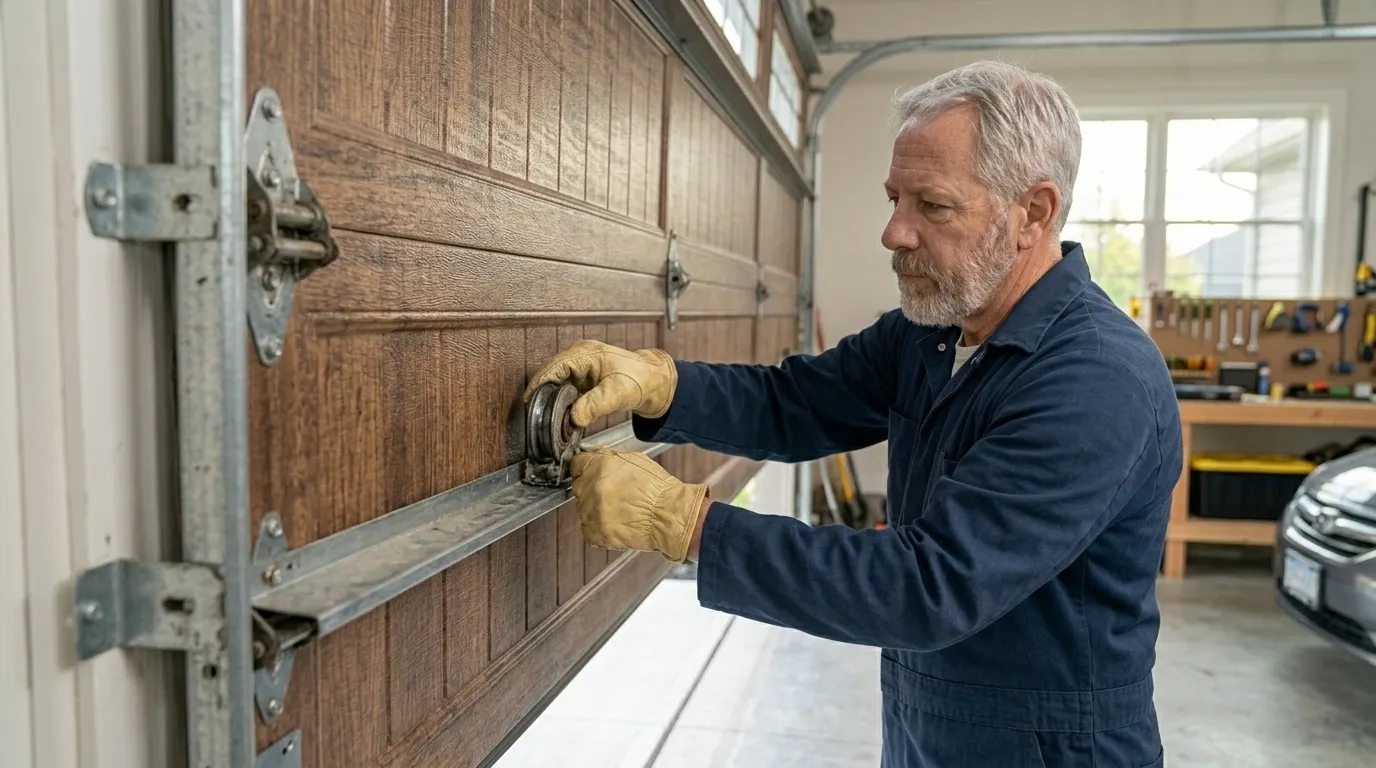
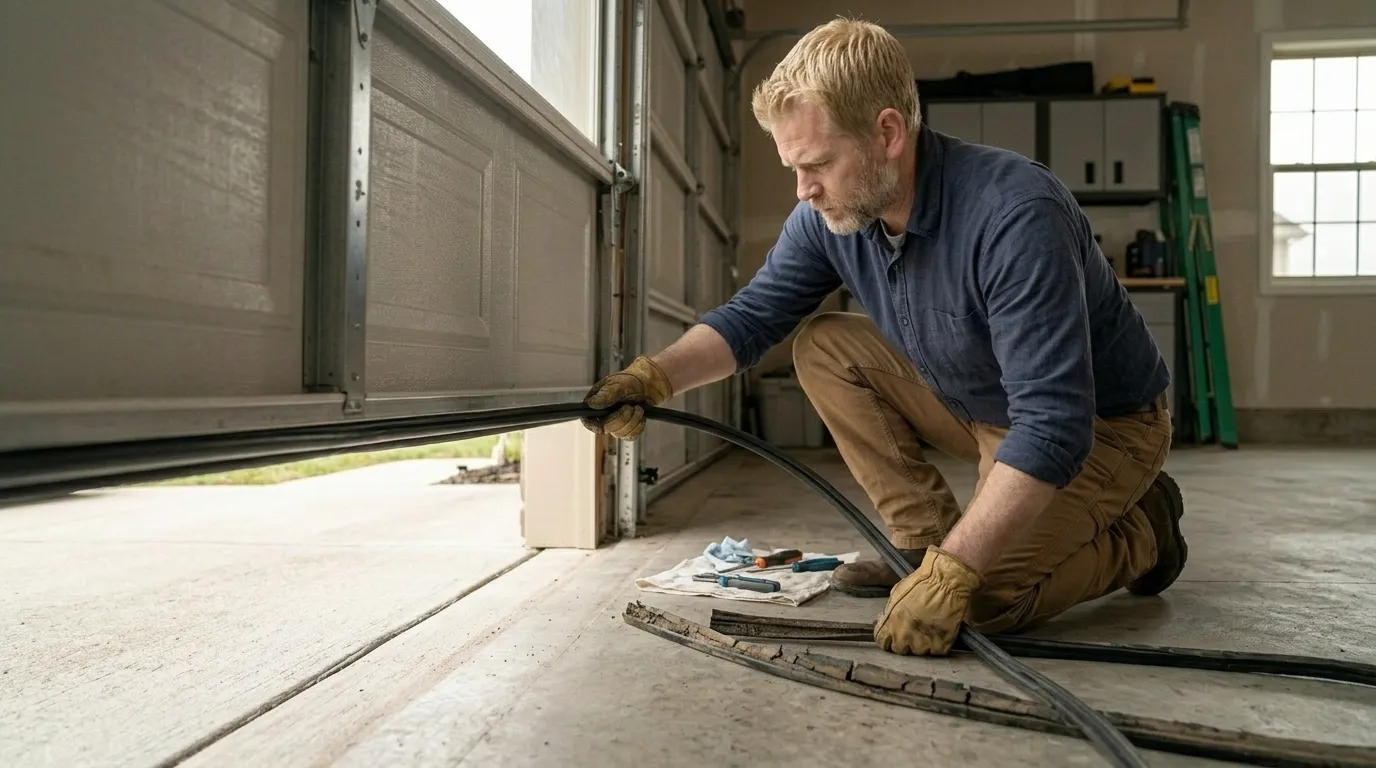
A maintenance visit on a Cave Creek door is mostly about catching the things heat degrades before they become a call. That means checking spring tension and wear, lubricating rollers and hinges with something rated for high heat rather than a household oil that just cooks off, and inspecting cable condition at the drum and bottom bracket. On a 1997-era door we also look harder at the opener's drive gear and capacitor, since those parts age out around the 20 to 25 year mark regardless of how well the door itself has held up.
We come out from Phoenix for these calls - Cave Creek is about 19 miles from where the trucks are based, so we schedule the visit rather than treat it as a same-day drop-in. That's worth knowing before you book: this isn't a walk-in shop around the corner, it's a trip we plan for. Parts availability is the other honest limitation. If your opener is old enough that the manufacturer has discontinued the logic board, we may need to order a replacement rather than repair what's there, and that can add a few days to the job.
The DIY Question
Lubricating hinges and rollers yourself is fine, and cheap oil-based lubricant does more harm than good anyway - it attracts dust and grit that grinds the rollers faster, especially in a dusty, hot climate. What you shouldn't touch is anything under spring tension. A torsion spring on a door built in the 1990s has had two-plus decades of stress cycles, and if it's due to fail, it fails suddenly and with enough force to break bones or crack a windshield if you're standing in the wrong spot.
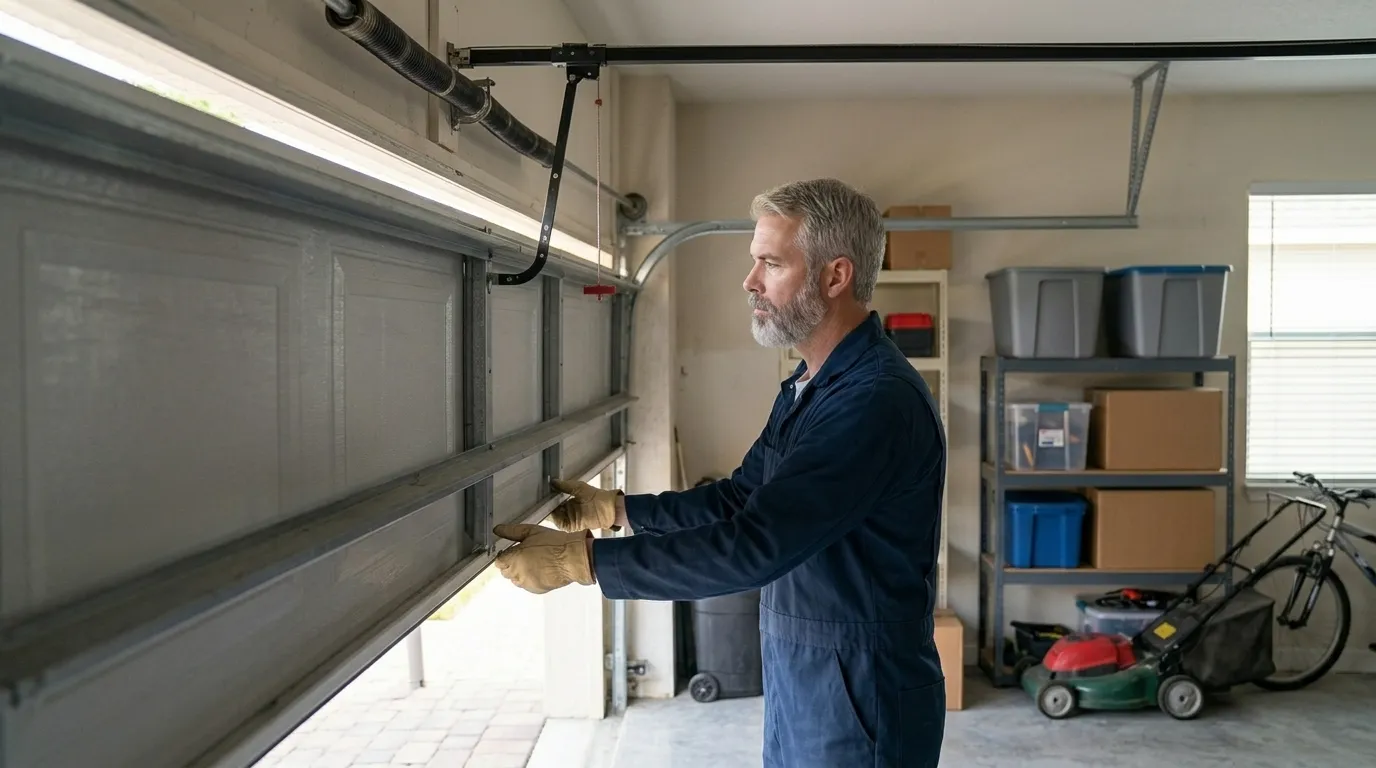
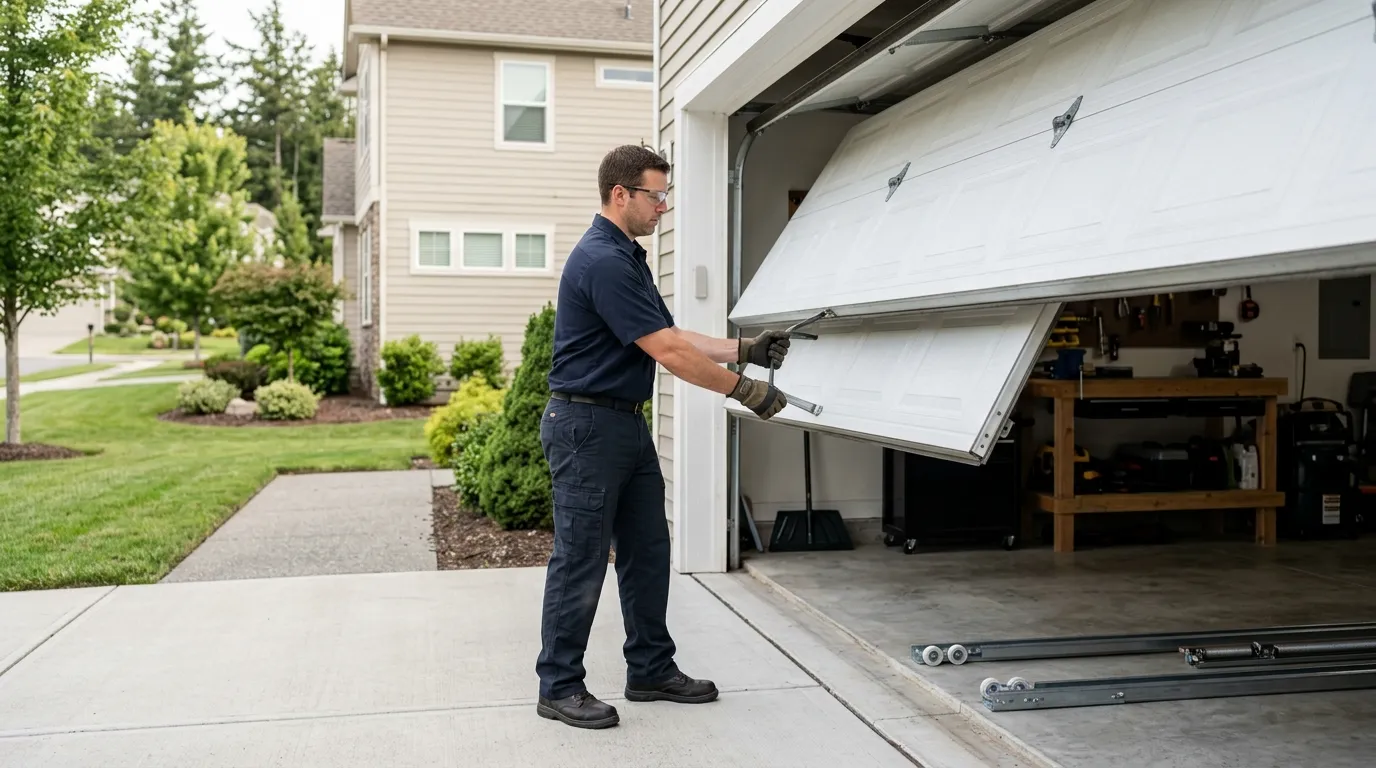
Check the balance test yourself if you want: with the opener disconnected, the door should hold at roughly waist height without drifting up or down. If it drifts, the springs are out of adjustment and that's not a homeowner fix - it's a call. Given the income and household profile of this area, a lot of these doors were bought as part of a full custom build rather than a track-home package, and the springs and openers are sometimes higher-cycle-rated than standard stock, which changes the adjustment specs. Guessing at those numbers is how a DIY spring job ends badly.