What Causes It Around Here
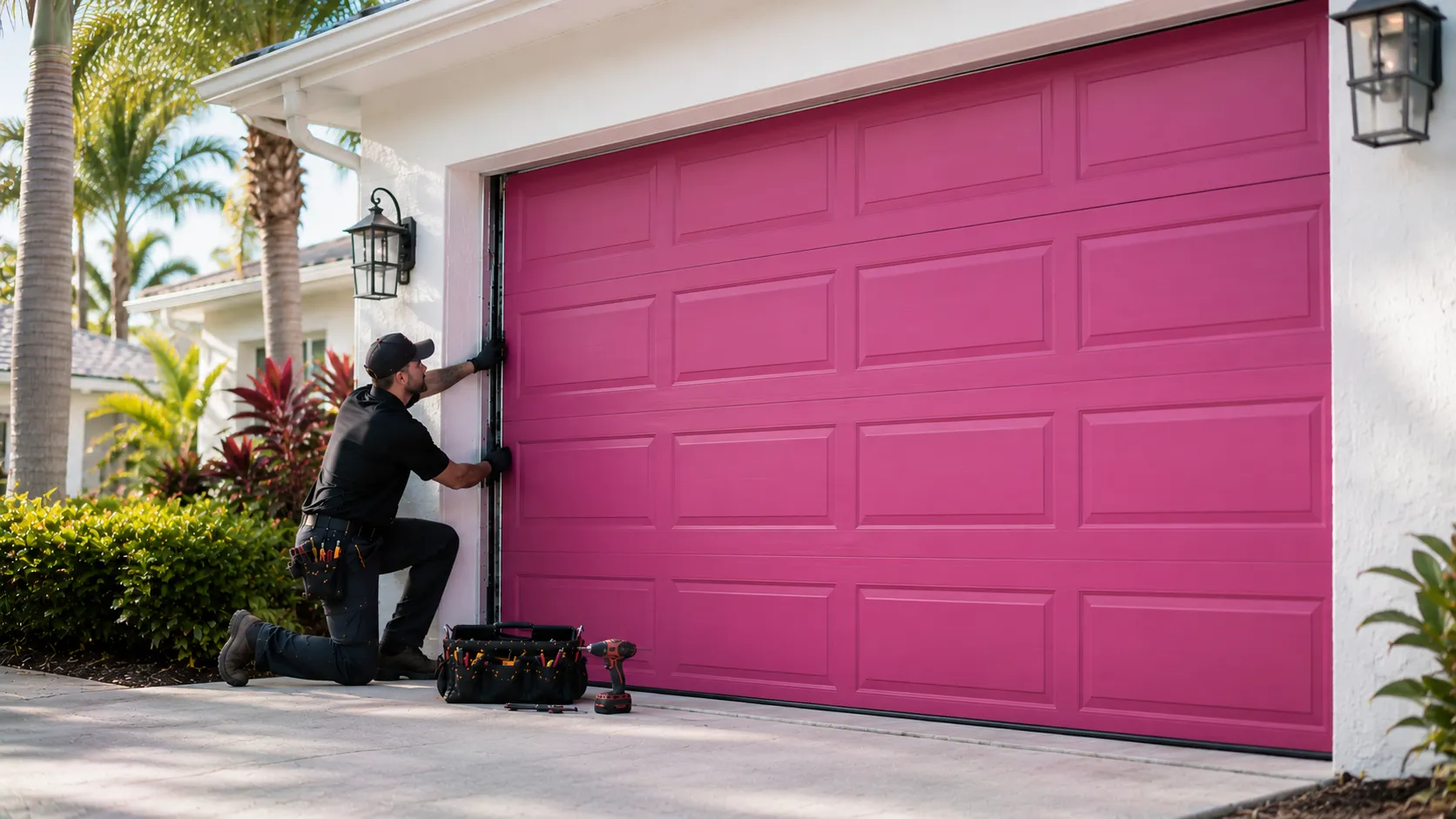
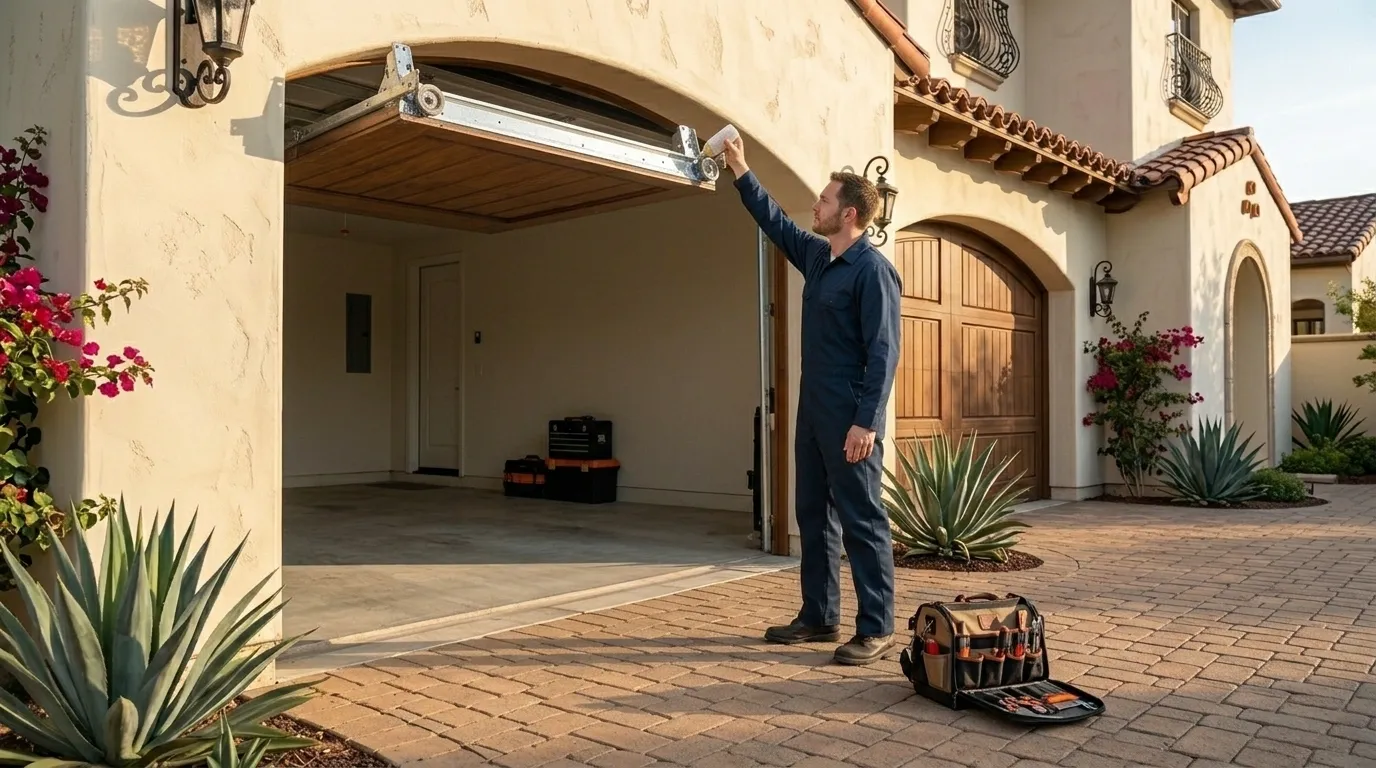
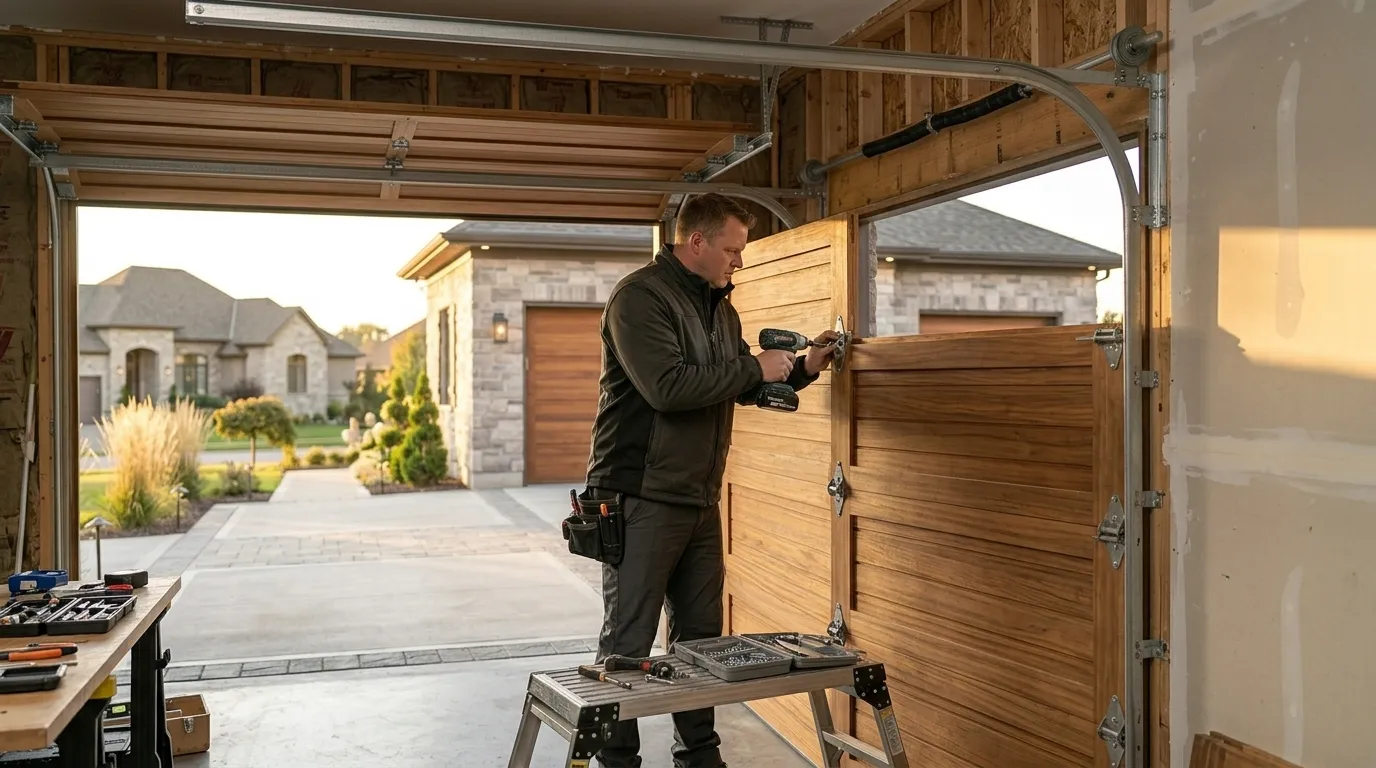
Sun City West sits in a heat band the federal climate data flags as severe, and that heat is hard on the parts inside the door, not just the paint on the outside. Steel springs and steel track expand and contract every day through summer, and that daily flex is what fatigues a spring years before its rated cycle count runs out. Nylon rollers and plastic idler pulleys - common in openers from the early 1990s - get brittle under the same heat and crack rather than wear smoothly. We also see lubricant baked dry on tracks and hinges faster here than in shadier parts of the valley, which speeds up rust on any exposed cable end. None of this is unique to one street or one model of door; it's what severe heat does to any steel-and-nylon assembly that sits in a garage facing west or south most of the day, year after year, starting the day it's installed.
The DIY Question
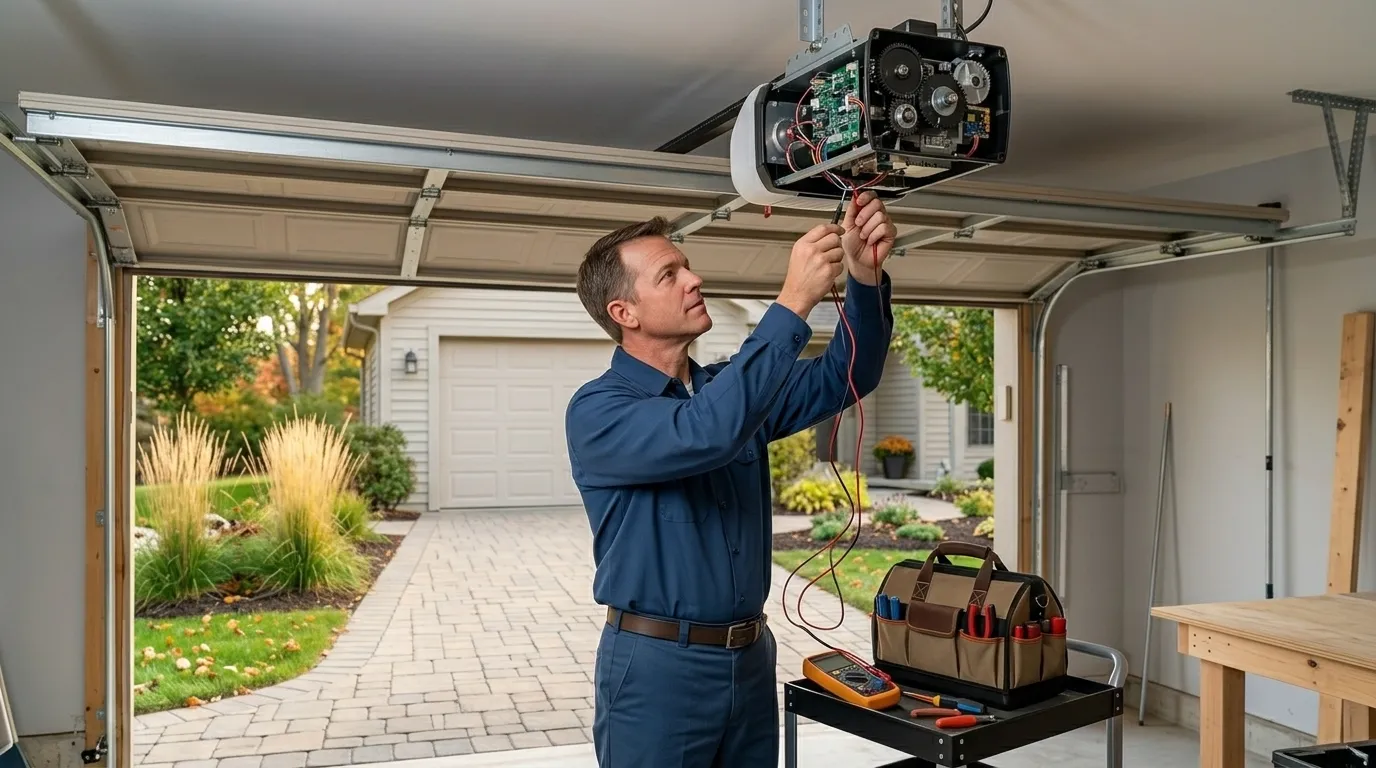
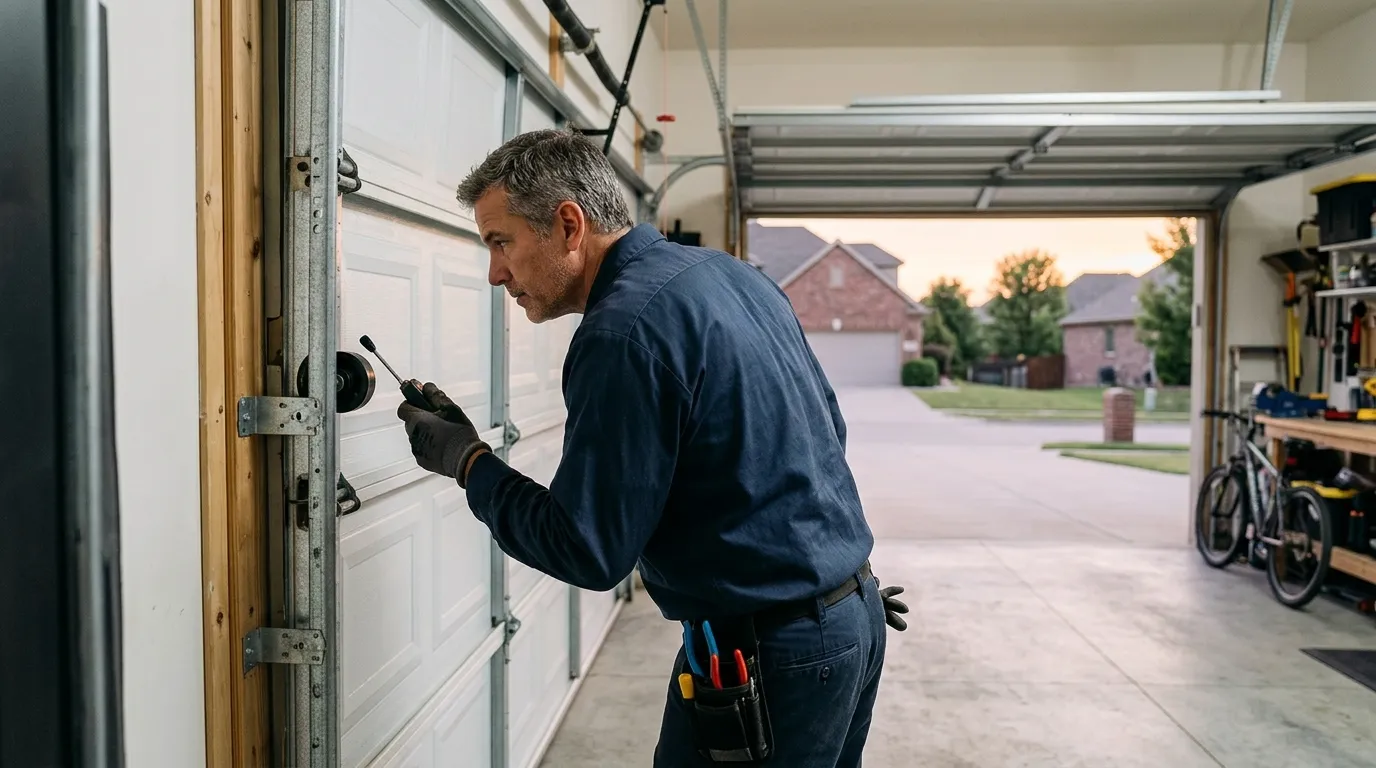
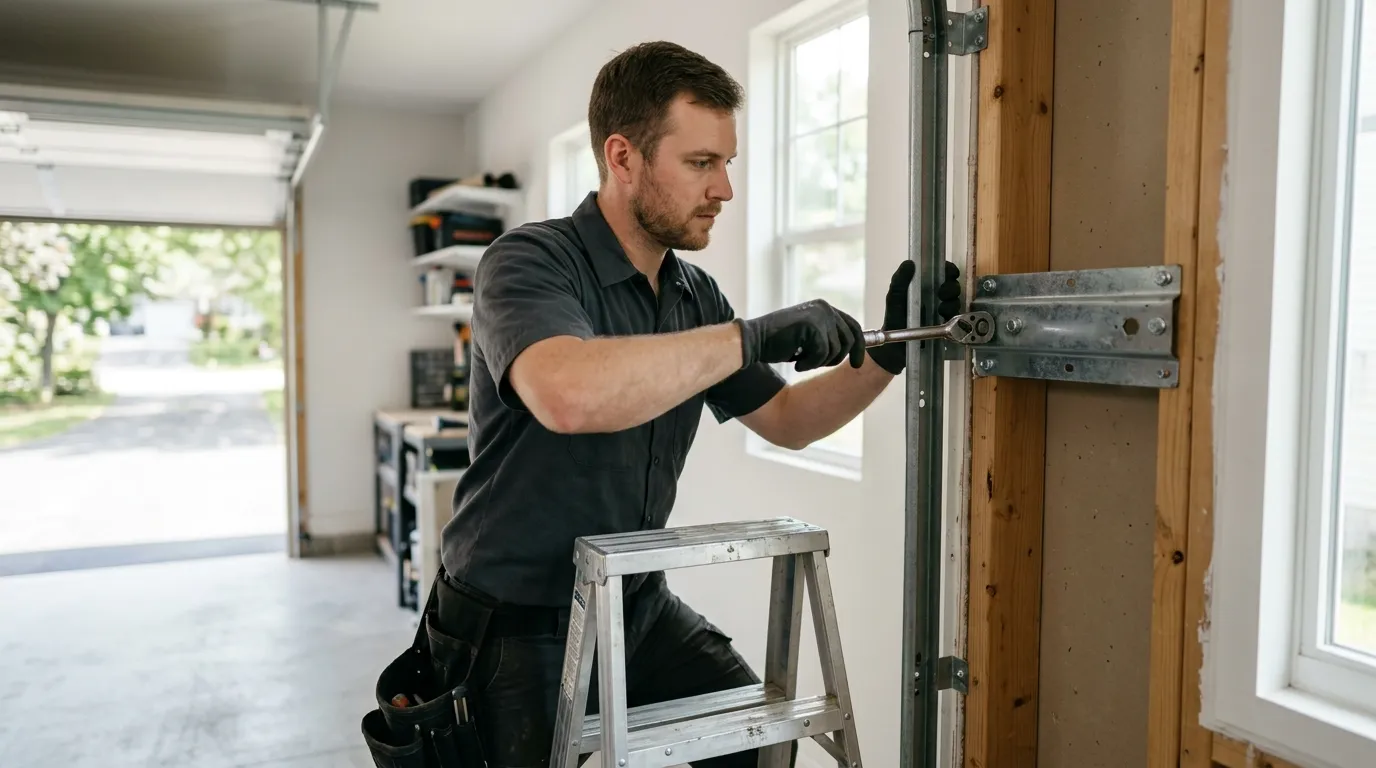
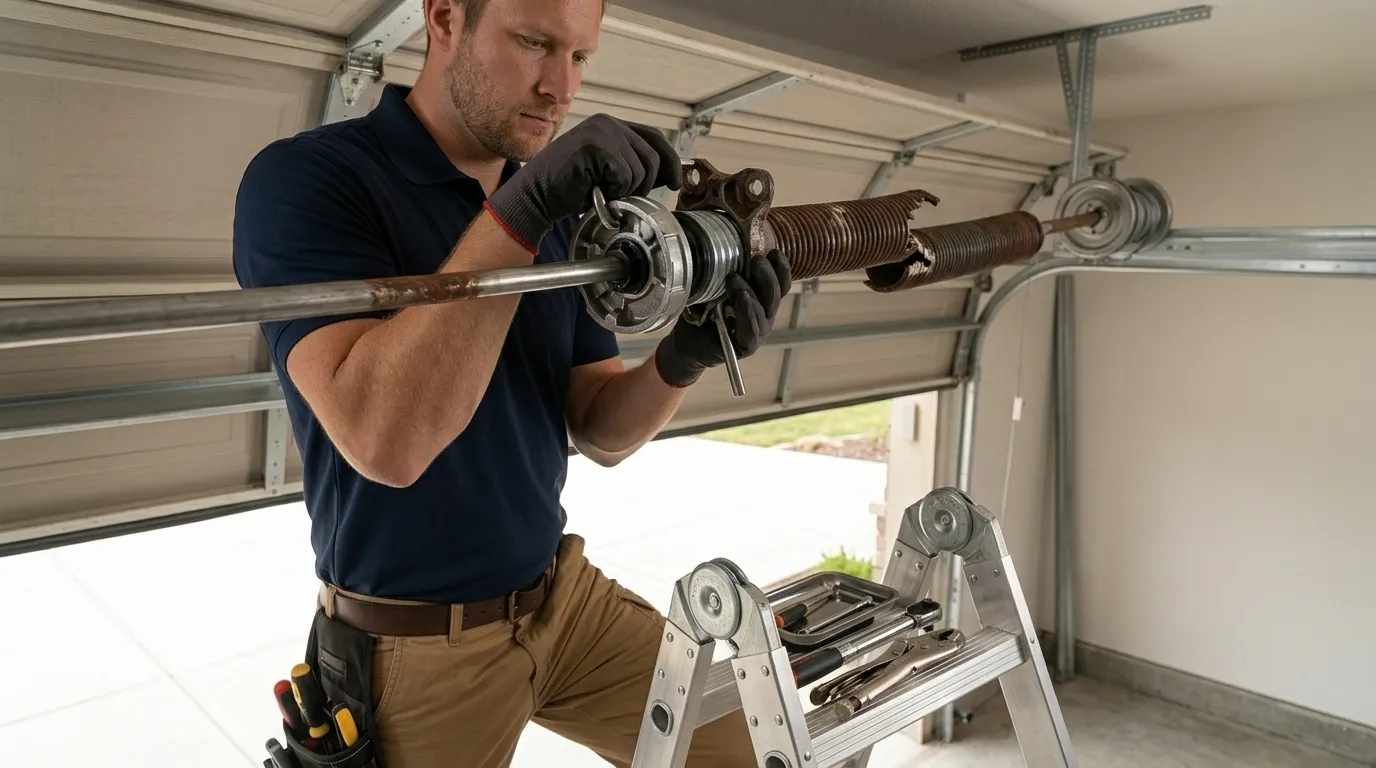
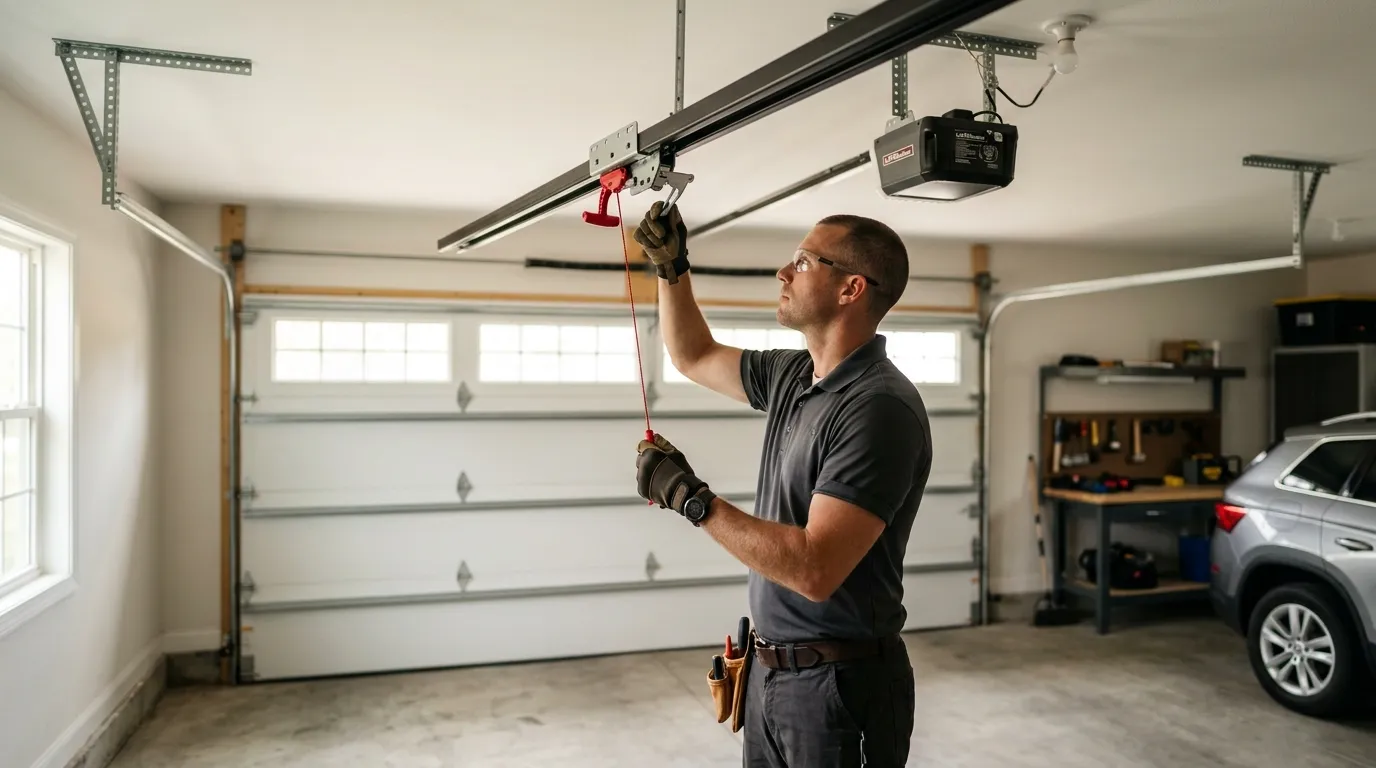
A homeowner can safely handle a few things: clearing track debris, checking that the photo-eye sensors aren't knocked out of alignment, tightening loose bolts on the track brackets. What you should not touch is anything under spring tension - torsion springs store enough force to break a wrist or worse, and that's true whether the door is five years old or thirty. If your opener is original to a 1990-era build, replacing just the logic board or the motor rarely pencils out once you add the cost of a service call; a new opener often costs less than that repair and comes with a modern safety reversal system the old chain-drive units don't have. Our honest limitation here: we don't stock every obsolete part for every discontinued opener model, and if yours is one of them, replacement is the faster and often cheaper path anyway.