What Causes It Around Here
Two things push springs toward failure faster here than a spec sheet would suggest. The first is simple age: with a median build year around 1990, a large share of Sun City West's roughly 16,059 households are sitting on original or first-replacement torsion springs, which puts a lot of hardware in the same failure window at once. That's a decade older, on average, than the wider Phoenix service area's median build year of 2001, so the fault shows up here before it does in newer parts of the territory.
The second is heat. The broader service area sits in a severe heat climate band, and steel spring coils expand and contract through repeated summer cycling in ways that fatigue the metal faster than a mild climate would. A spring rated for a certain number of cycles in a lab doesn't get the benefit of that lab's temperature - it gets Arizona's, and that shortens the runway.
Combine an aging housing stock with a climate that's rough on coiled steel, and you get springs failing a few years earlier than the manufacturer's paperwork would lead you to expect. It isn't one bad batch or one bad install - it's the math of 1990 plus decades of Arizona summers.
The DIY Question
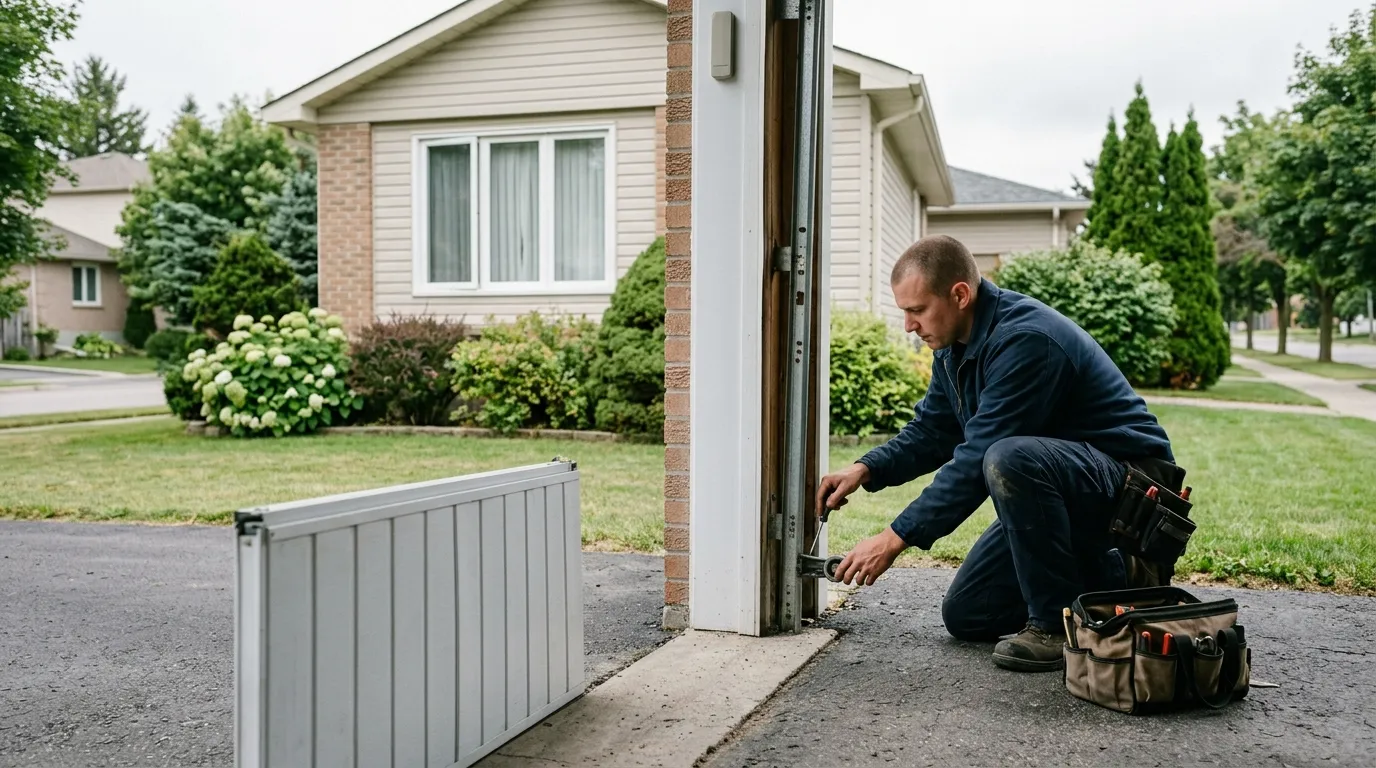
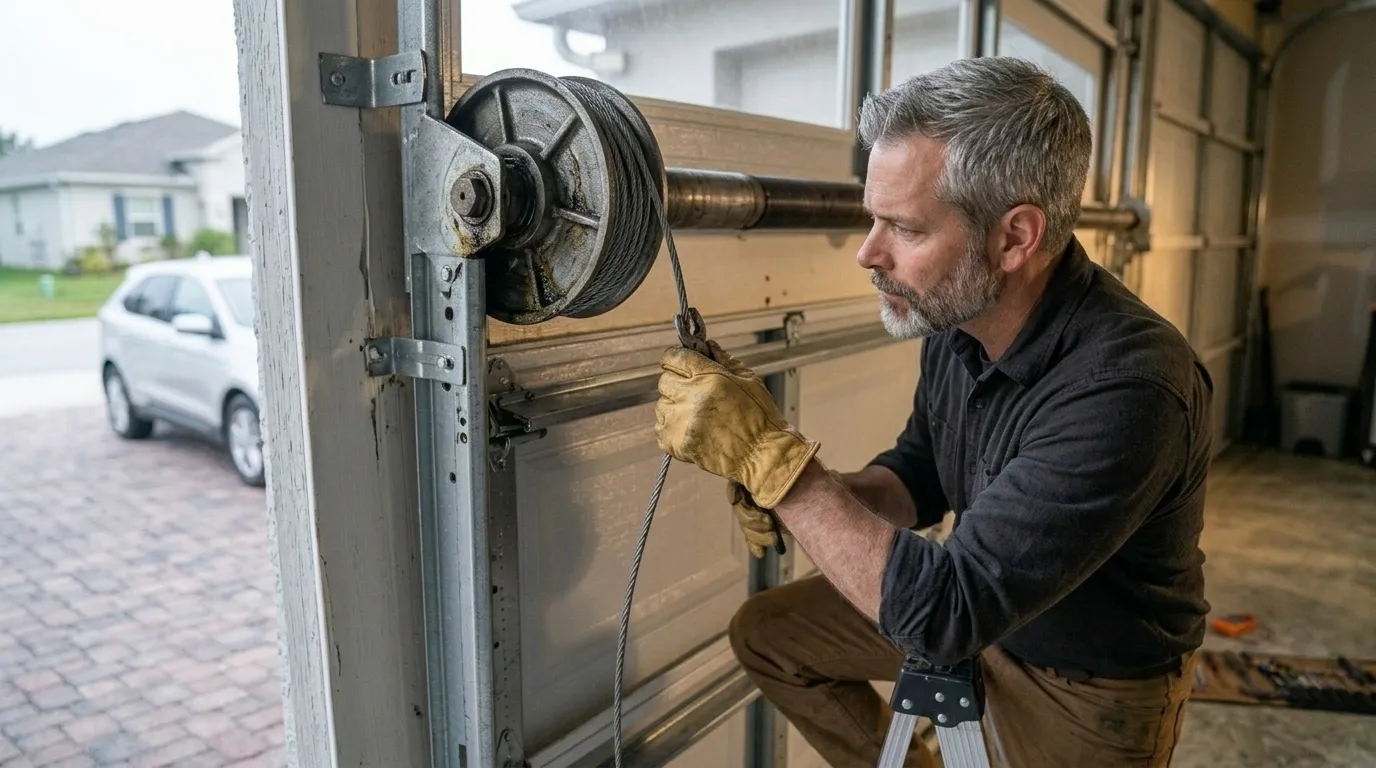
A torsion spring is wound under several hundred pounds of tension, and winding or unwinding one without the right bars and a clamp is how people end up in the emergency room, not how they end up with a fixed door. This isn't a gray area - it's the one repair on a garage door we'd tell you flatly not to attempt yourself, regardless of how handy you are with the rest of the house.
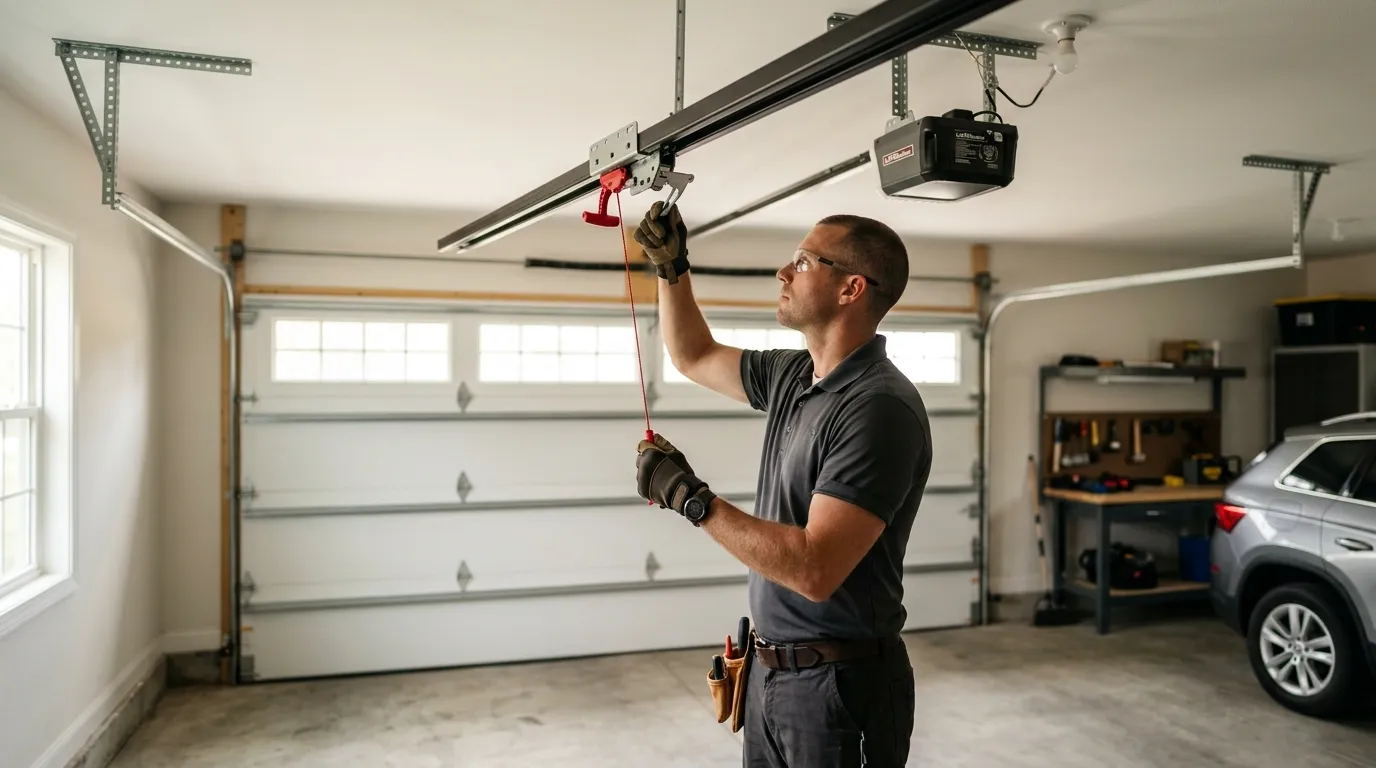
Extension springs, the kind that run along the horizontal tracks instead of over the header, are a little more forgiving to look at but still store enough energy to do real damage if a cable lets go while you're working near it.
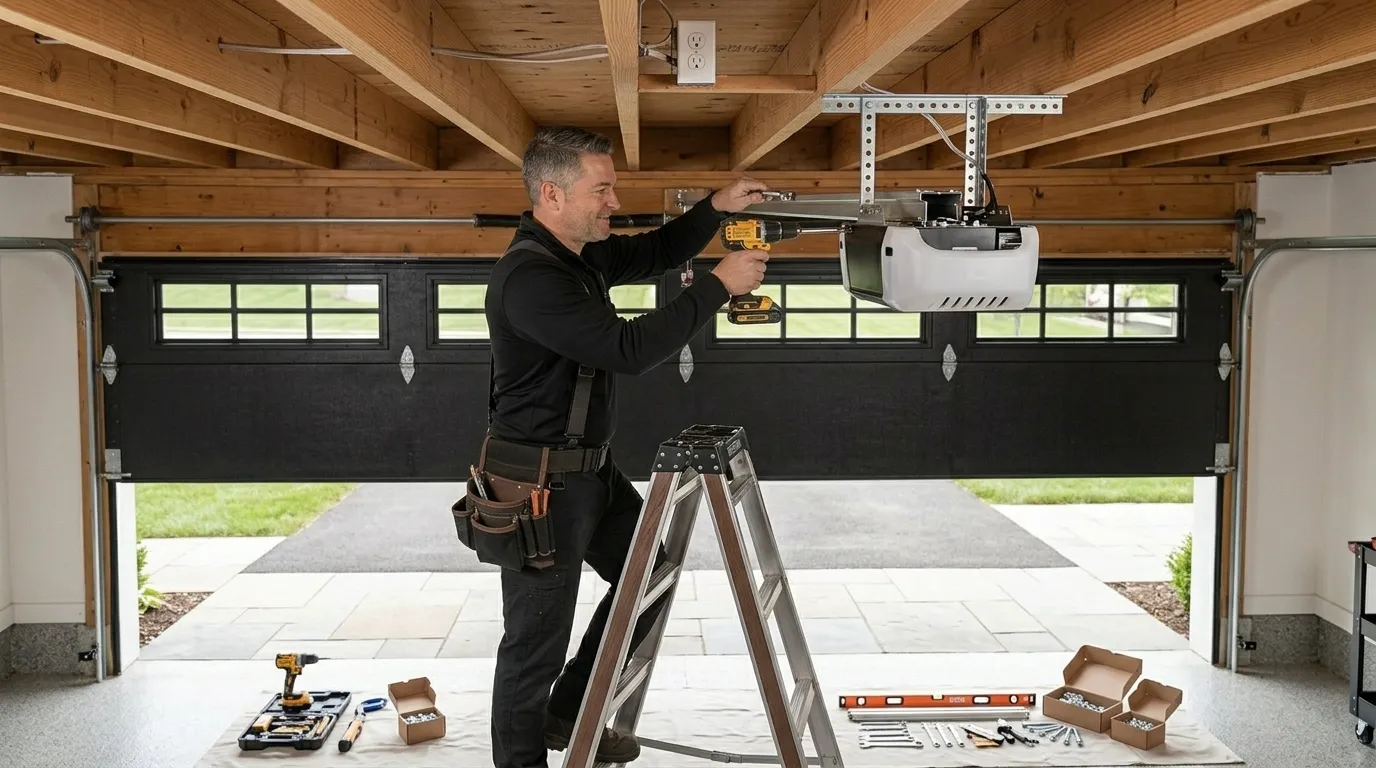
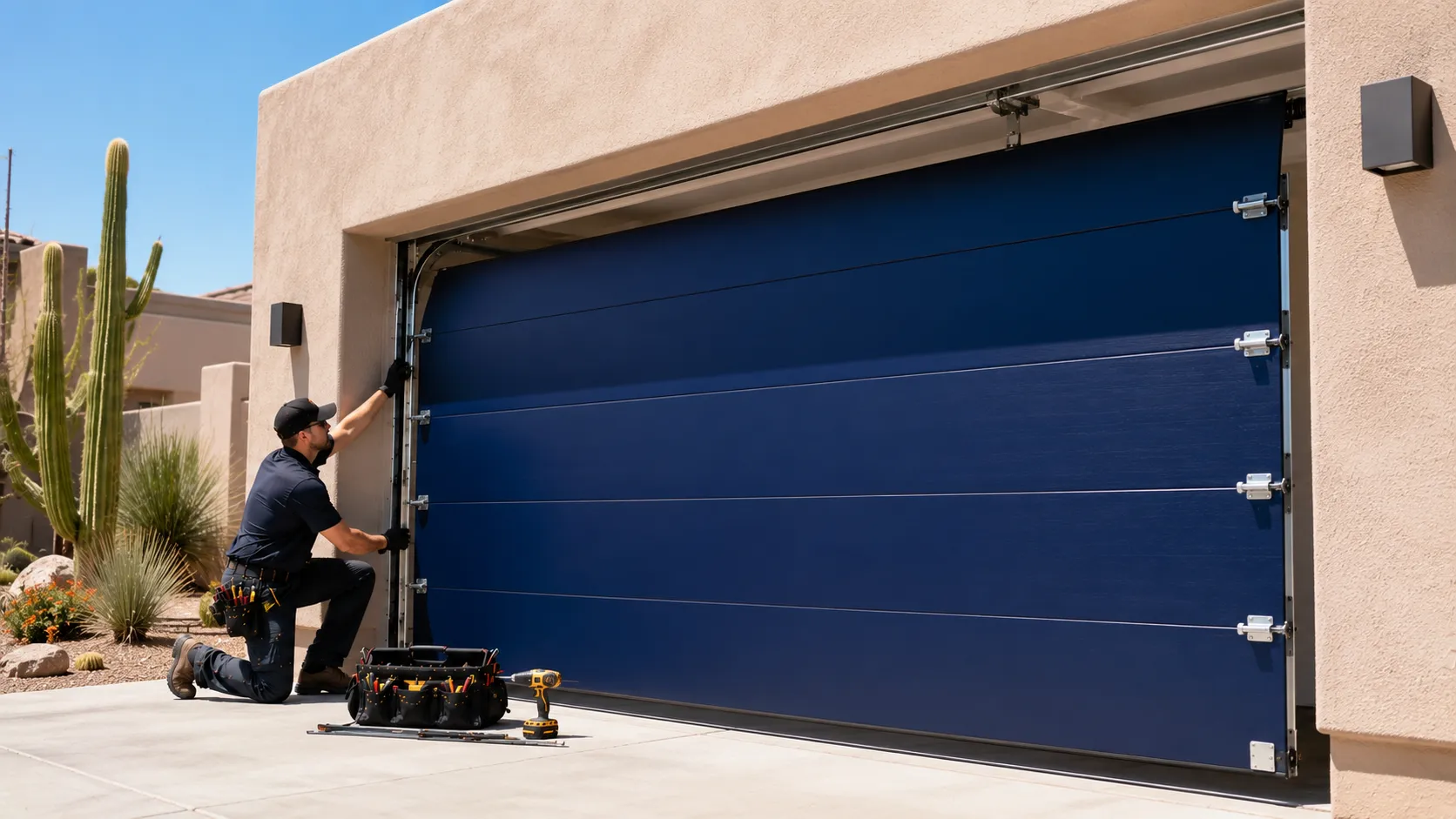
Here's the honest limit on our side too: if a door's tracks are bent, the opener is failing at the same time, or the springs are a mismatched or discontinued size that needs an odd-ball order, that's not a same-visit fix - parts have to come in, and we'll tell you that up front rather than string out a visit. For a straightforward torsion or extension spring swap on a standard sectional door, though, it's a job for a trained tech with the right bars, not a Saturday project.