Commercial Garage Door Service for Litchfield Park
Commercial garage door repair for Litchfield Park's 2001-era buildings, driven in from Phoenix. Original hardware, heat-worn springs, and dock door fixes done right.
Litchfield Park's housing and surrounding commercial stock cluster around a median build year of 2001, sixteen miles out on the west side of the valley from our Phoenix base. That number matters more than most people think. A commercial building put up in 2001 got a rollup door and torsion spring sized for that decade's hardware standards, and unless a manager has had a reason to touch it, that spring, that cable, and often that opener are still the originals. Nobody replaces what still opens the door. The trouble is that heat in this part of the valley is severe enough to bake the galvanizing off exposed springs and dry out the grease packed into rollers, year after year, on a schedule the building owner never sees. Twenty-plus summers of that on hardware nobody has serviced is what shows up as a call to us. We're not local to Litchfield Park - we drive the sixteen miles from Phoenix - but the pattern in the buildings out here is consistent enough that we know roughly what we'll find before the truck is unloaded.
What You Are Seeing
Most of what gets reported starts small: a dock door that used to lift in one smooth pull now hangs for a second before it moves, or a rollup door that used to close flush now leaves a gap at one corner. On a 2001-era door, that hesitation is usually the spring losing tension unevenly rather than all at once - the coil on one side has taken more heat cycling than the other. Openers from that build year are also reaching the point where the drive gear or the circuit board is original equipment, and a motor that strains before it moves the door is telling you it's close to done, not just tired for the day. At $124,973, the median household income here runs well above the $74,764 median across the rest of the service area we cover from Phoenix, which tends to mean businesses here fix a problem once it's noticed rather than run equipment into total failure. That's useful for us - it means most of the calls we get out here are caught before the door drops.
What Can Go Wrong
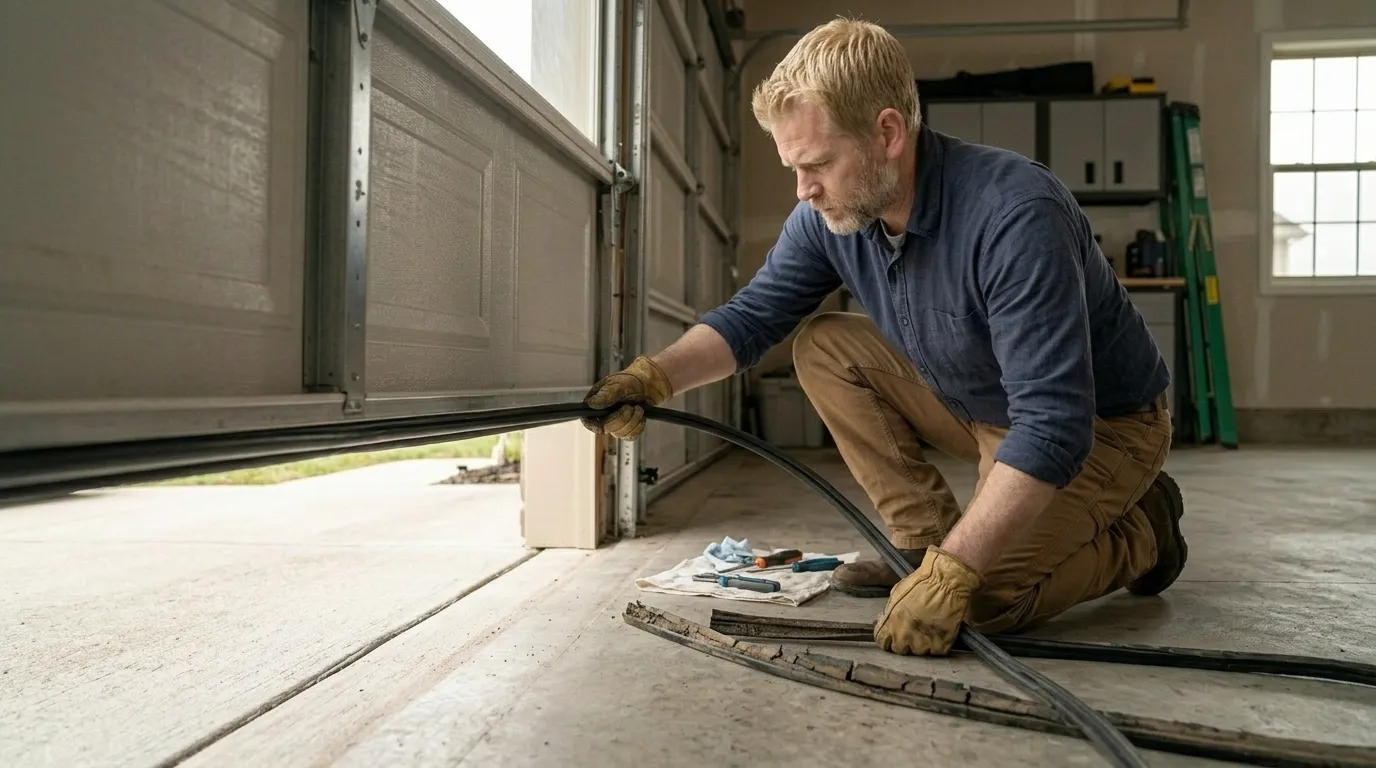
A torsion spring on a commercial door that's held tension since 2001 without being serviced doesn't weaken evenly - it can hold fine for years and then let go on a normal open-close cycle, and on a heavier commercial door that snap can bend the shaft or damage the bracket it's mounted to. Cable that's frayed from two decades of heat cycling can slip its drum under load, which drops one side of the door faster than the other and racks the track out of alignment. Neither of those is a same-day parts swap once the track is bent - that becomes a bigger job, and it's worth saying plainly: if the track or the header is damaged, we're not going to talk you into a spring replacement that won't hold. With only 2,867 households in Litchfield Park itself, the base of properties needing this work is a fraction of the 51,258 households spread across the areas we run trucks to, so we're not out here daily - which is one more reason a small issue caught early beats a full failure caught late.
What Is on the Truck
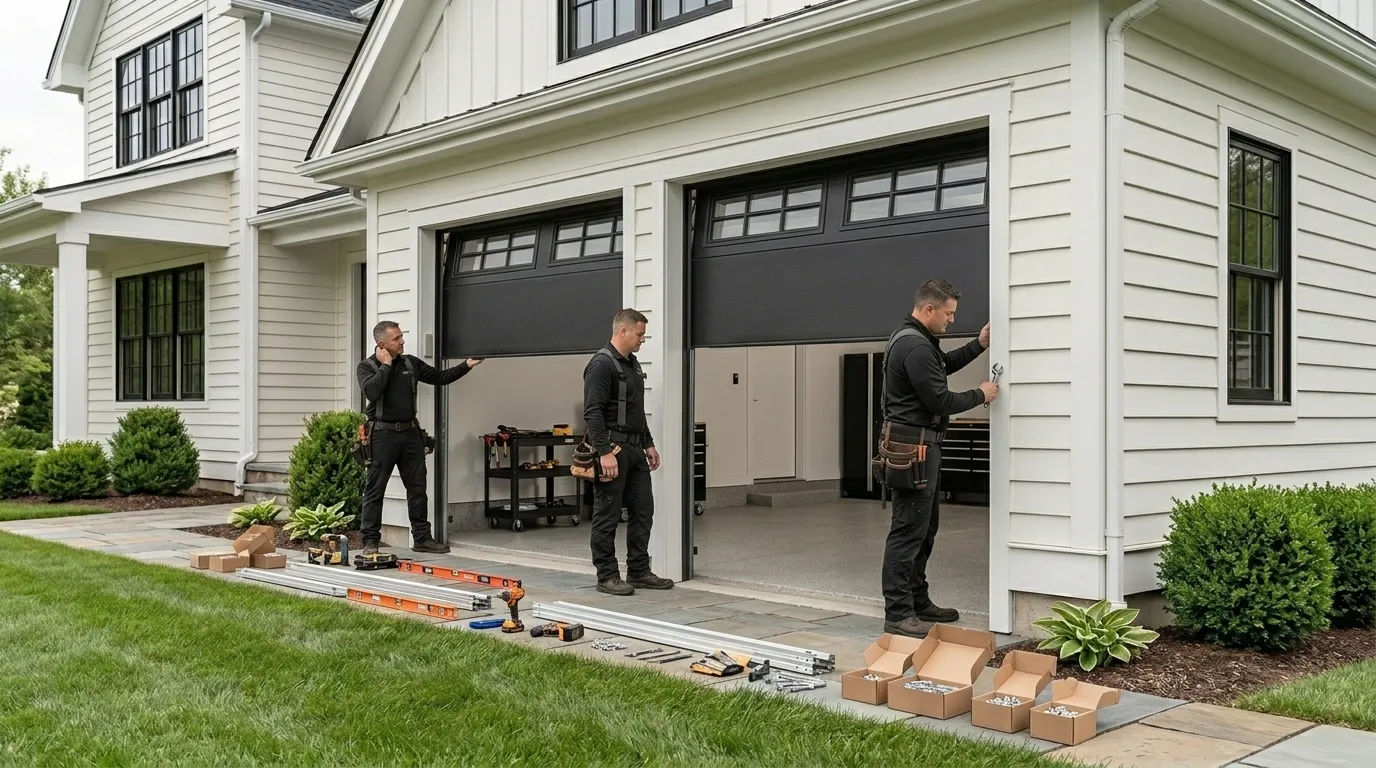
For a 2001-build commercial door, the springs, rollers, and cable that fail are common gauges we carry stock of - a torsion spring hung twenty-plus years ago and rated to that era's cycle counts is a routine swap, not a special order. A commercial rollup door hung in 2001, the median build year here, is old enough that its springs and cable have almost certainly outlived their rated cycle count without ever being swapped, and that's the repair we're set up to do on the first visit. What isn't on the truck is anything specific to a size or track configuration we haven't seen - some heavier dock doors run wider tracks or heavier-duty operators than the standard stock, and if that's what's on your building, we'll tell you straight that it's a return trip for the right part rather than pretend we can force a fit. We drive the sixteen miles from Phoenix to reach Litchfield Park, which means we plan the trip rather than treat it as a same-block callback, so we'd rather diagnose it right the first time than come back twice for the wrong part.
How it works
From “it’s stuck” to “it’s fixed”
01
Tell us what’s wrong
Describe the symptom - won’t open, loud bang, opener runs but the door won’t move.
02
On-site diagnosis
A technician tests the door under power and by hand and finds what actually failed.
03
Clear, up-front plan
You get the fix that’s needed and what drives the cost - before any work starts.
04
Repaired & tested
The repair is done, the door is set true and tested, and the work area left clean.
Serving Phoenix, AZ - tell us what your door’s doing and we’ll take it from there.
How old is the hardware on most commercial doors in Litchfield Park?
Most buildings here date to around 2001, the median build year for the area. Unless the door's had a spring or opener replaced since, what's mounted on it now is likely the original hardware - meaning it's had two decades of heat cycling without service.
Do you have a branch in Litchfield Park?
No. We run out of Phoenix and drive the sixteen miles to reach Litchfield Park for each job. There's no local depot, so we plan the trip rather than treat it as a quick add-on.
Why did my dock door start hesitating before it opens?
On a door from the early 2000s, that hesitation is usually a torsion spring that's lost tension unevenly, often from years of heat exposure on one coil more than the other. It's worth having checked before it fails outright.
Can you match parts for older commercial doors?
For the common spring, cable, and roller gauges from that build era, yes - we carry stock for those. Heavier dock doors with nonstandard track or operator sizing sometimes need a specific part we don't carry on the truck, and we'll tell you that up front rather than force a mismatch.
Ready to get your garage door sorted?
Tell us what it’s doing and where you are in Phoenix - we’ll take it from there.