What You Are Seeing
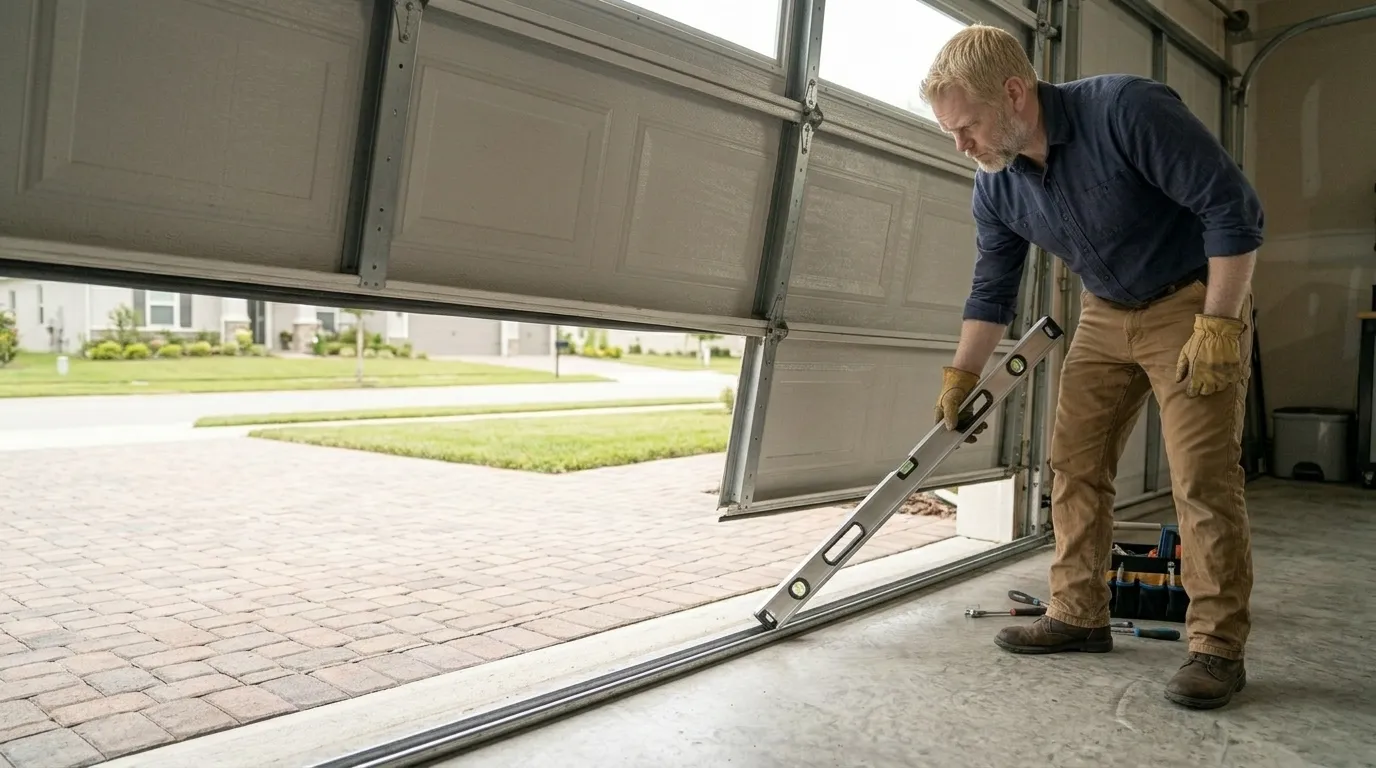
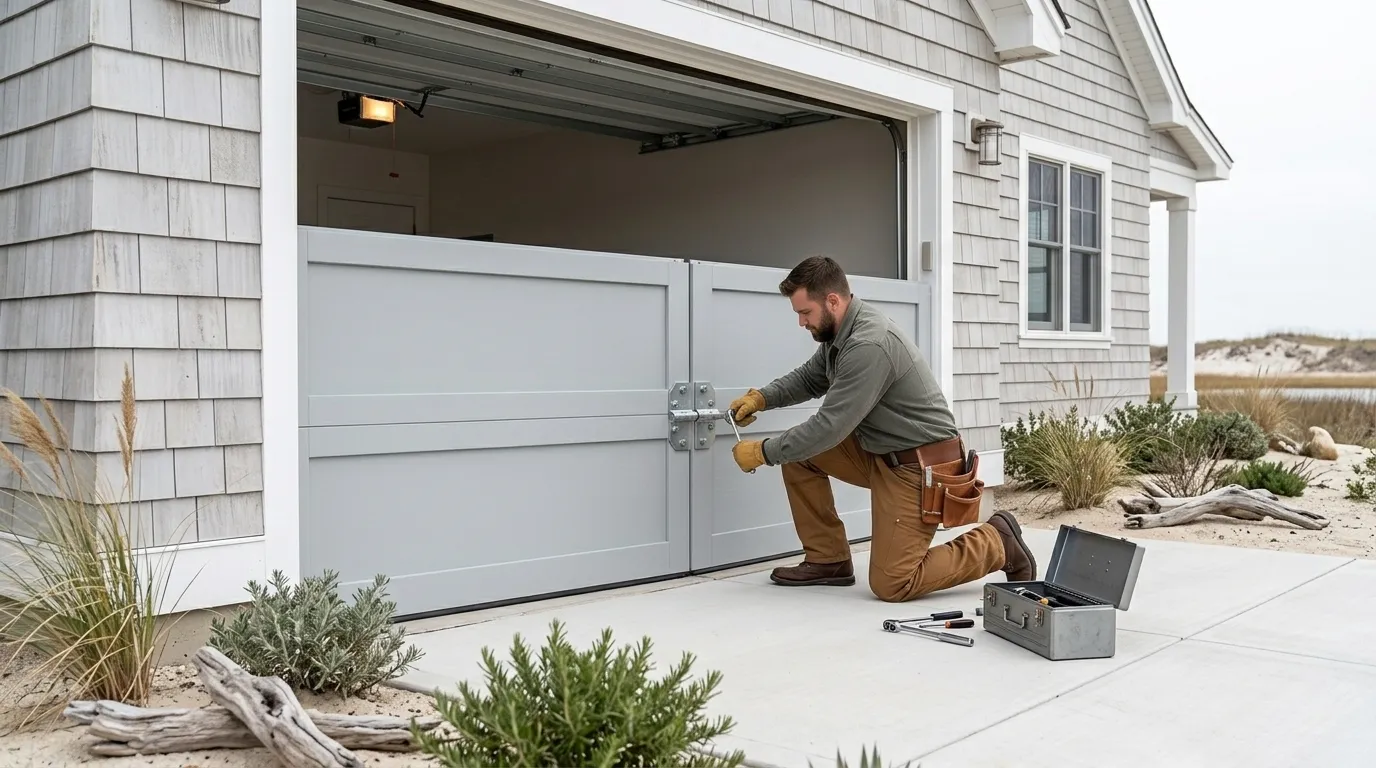
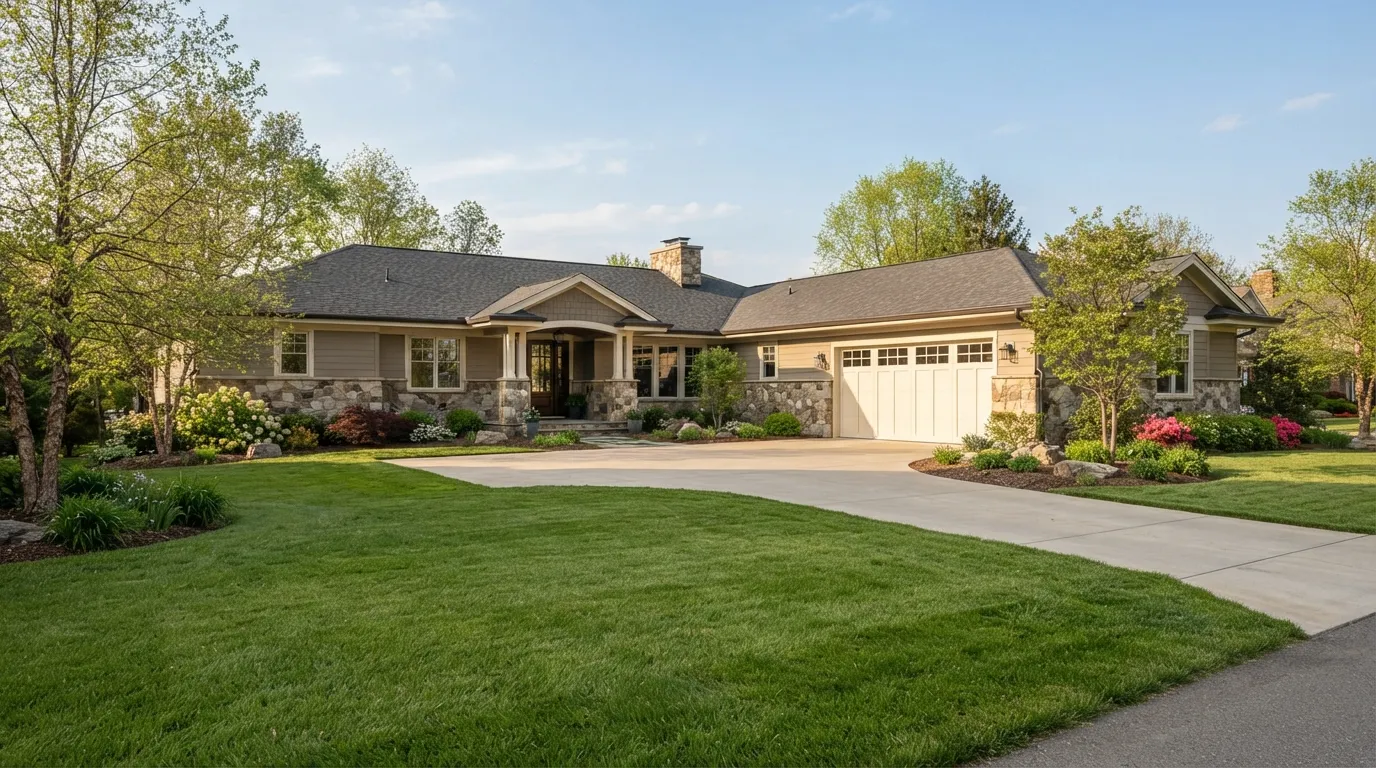
If your door is original to a Litchfield Park build from around 2001, you're likely seeing a panel that still looks presentable from the driveway but doesn't move the way it used to - a slower open, a heavier feel when the opener strains on the last foot of travel, or a door that no longer sits flush at the bottom when closed. None of that is cosmetic. It's the spring losing tension and the opener compensating for weight it wasn't sized to carry long-term.
Worth noting: median household income in this pocket of the service area runs well above the wider area's figure, and that shows up in what we get asked to install - more owners here are replacing straight to an insulated, heavier-gauge door rather than a like-for-like builder-grade swap. That's a reasonable upgrade given the heat band this whole area sits in; insulation matters more here than it would somewhere with a milder climate.
What Can Go Wrong
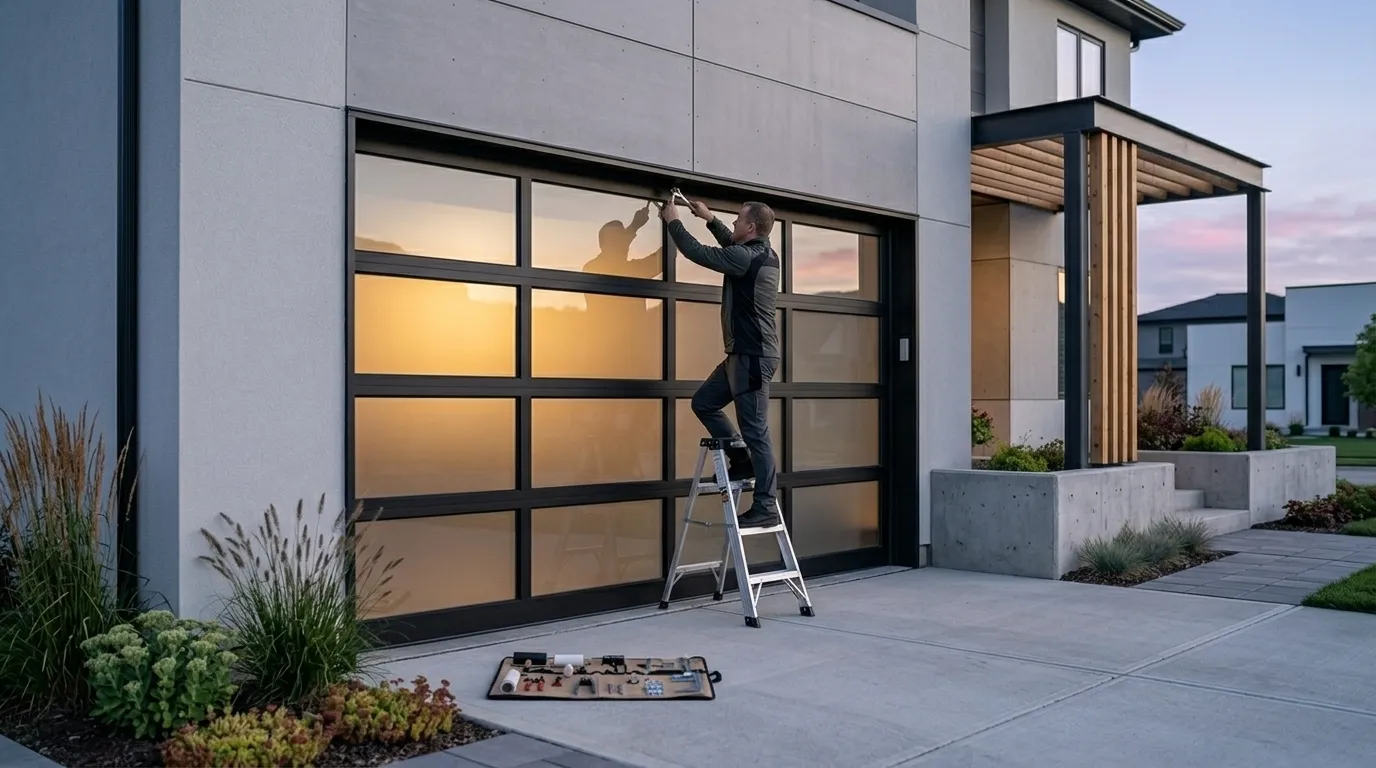
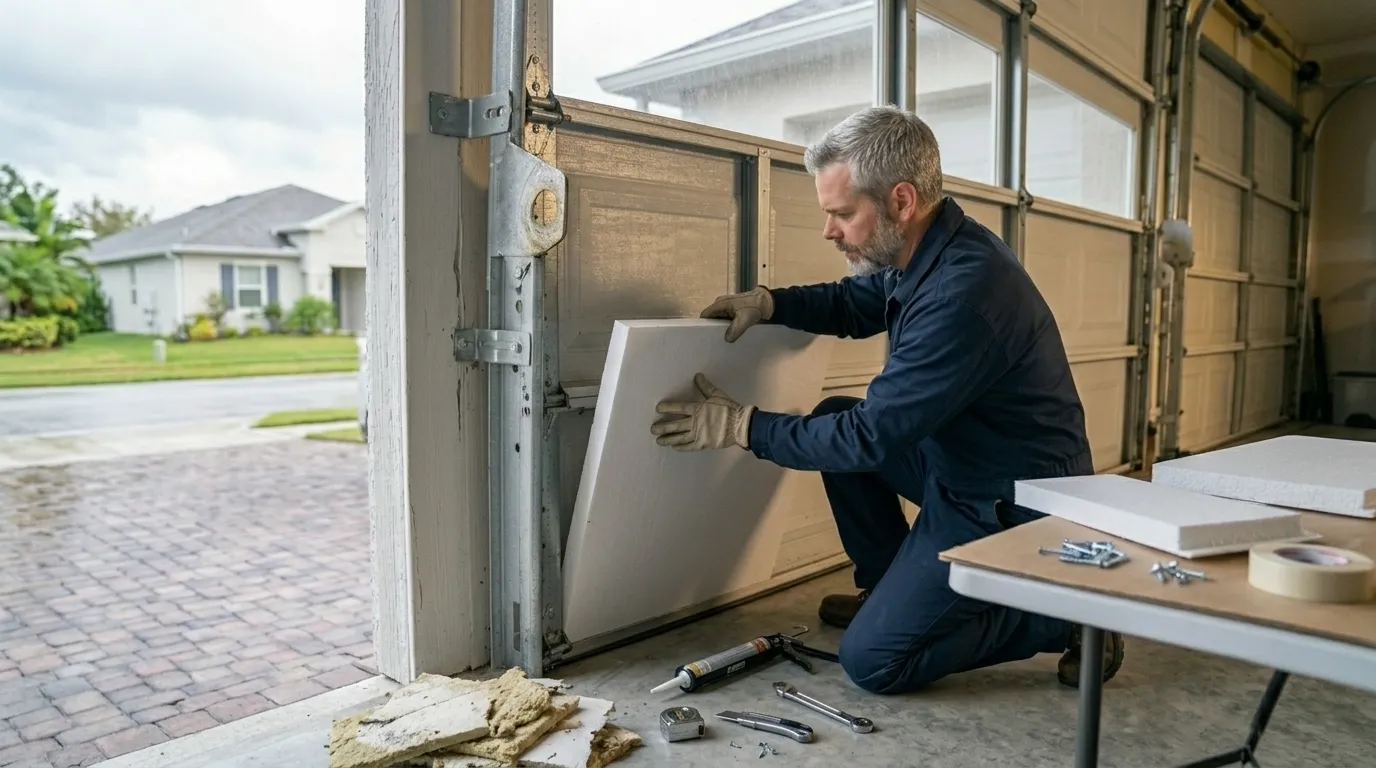
The failure we'd rather catch before it happens: a torsion spring that's been wound for the original lightweight panel snapping under load once an owner has added insulation, a decorative overlay, or new glass inserts without resizing the spring to match. That's a heavier door on old hardware, and it's the single most common way a routine job turns into an emergency call.
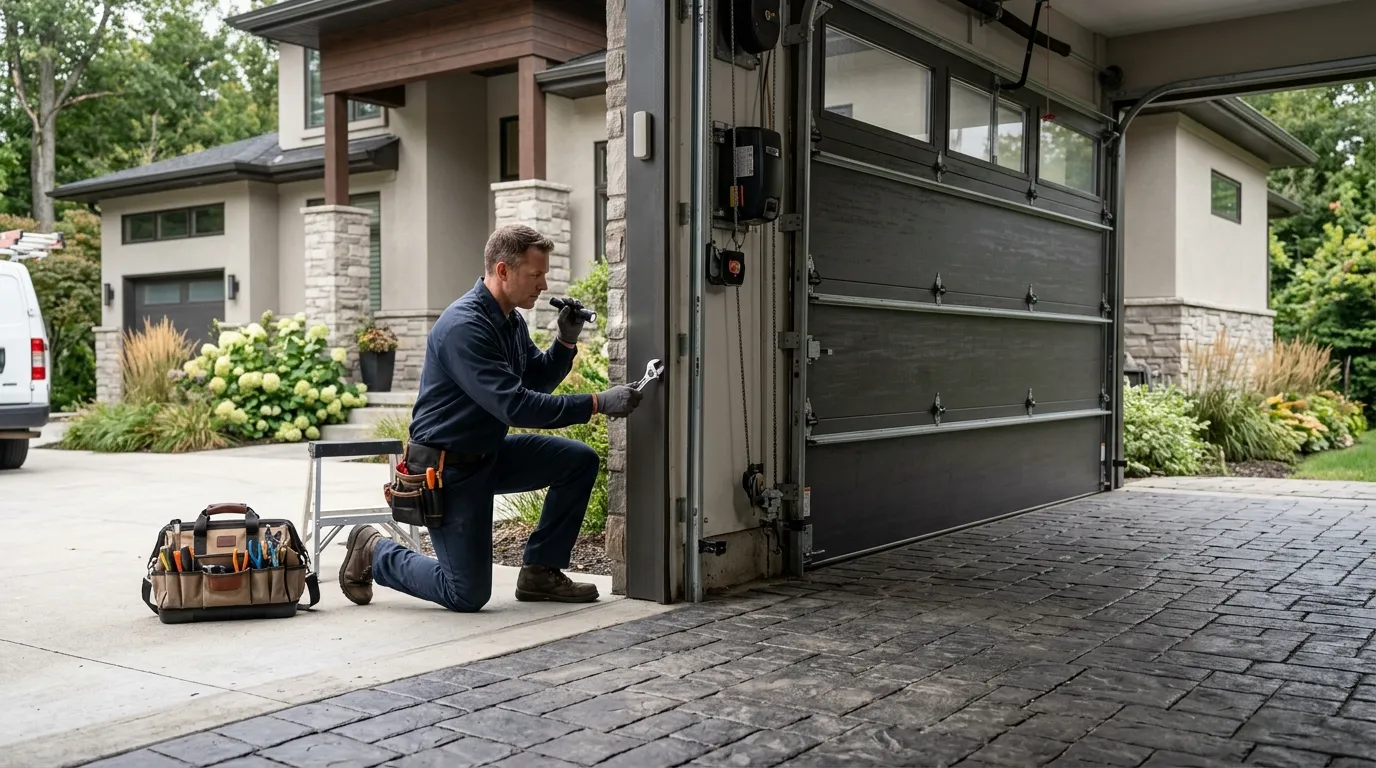
The other one is opener mismatch. A 2001-era opener paired with a new, heavier insulated door can run the gear set to failure inside a year or two if nobody upsizes it at install. We size spring and opener to the actual door going in, not the one coming off the hinges.
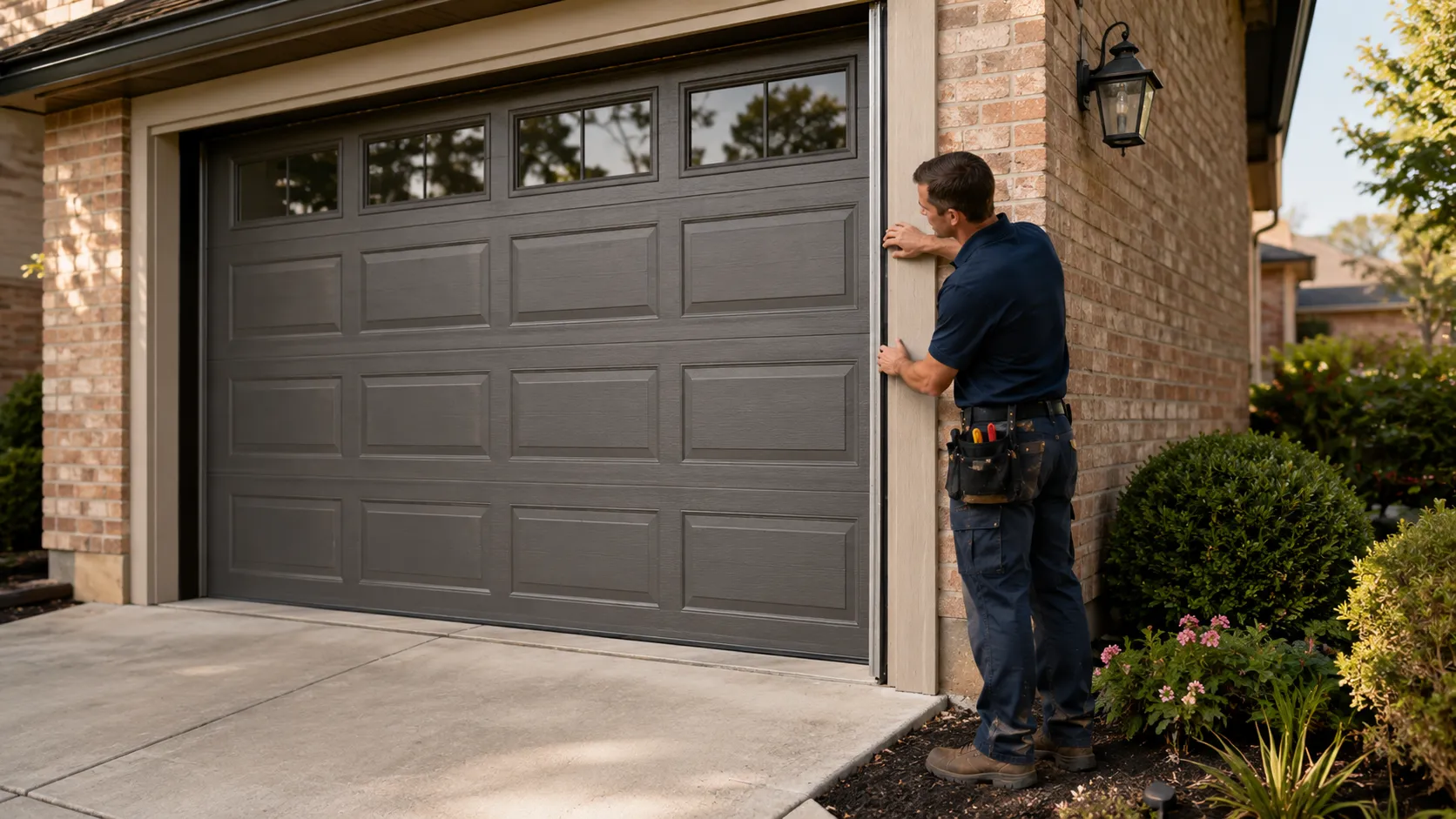
Honest limitation: if the original opening was framed for a lighter door and the jamb hardware is undersized, that's a carpentry fix outside a straight door swap - we'll flag it rather than force a new door onto framing that won't hold it long-term.